

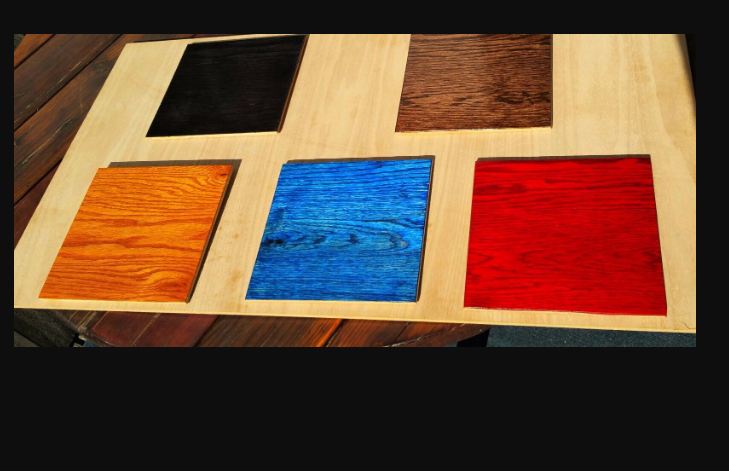
Wood stain and wood dye are both popular options, yet they serve different purposes and offer unique benefits. When bringing wood to life, the finish you choose makes all the difference. Whether you’re restoring old furniture, refinishing cabinets, or creating a handcrafted masterpiece, selecting the right coloring method is essential. Understanding how they work can help you avoid costly mistakes and achieve the perfect look for your project.
Why Wood Finishing Matters
Finishing isn’t just about changing the color of wood — it’s about enhancing natural beauty, increasing durability, and adding character. The right finish can highlight grain patterns, protect wood from damage, and improve longevity. While both wood stain and wood dye color wood, their formulas, application styles, and results differ. One penetrates the surface while the other works deep within the fibers. Knowing the difference will guide your decision based on the final appearance you’re aiming for.
Understanding Wood Stain
Wood stain is a pigment-based finish that colors wood by resting on or near the surface. It also contains binders that help pigments attach to wood fibers. The result is a rich, opaque color that brings out visible grain patterns. Stain penetrates slightly into wood but relies mostly on pigment staying near the surface to create a uniform tone. The level of penetration depends on the wood type — softer wood absorbs more while hardwoods absorb less.
Types of Wood Stain
Wood stains come in several formulations, each offering different application benefits and finishes. Choosing the right type ensures you get the perfect look and durability for your wood project.
-
Oil-Based Stain: Offers deep penetration with long drying time, making it durable and ideal for large or outdoor projects.
-
Water-Based Stain: Dries quickly, has low odor, and is environmentally friendly, making it great for indoor use and fast results.
-
Gel Stain: Thicker in consistency, easy to control, and perfect for vertical surfaces or woods that are hard to stain evenly.
Understanding Wood Dye
Wood dye is a colorant that is dissolved completely into a liquid, allowing it to penetrate deeper into the wood fibers than stain. Unlike stain, it does not contain heavy pigments and offers vibrant, transparent color. Dye molecules are tiny, making them capable of traveling deep into wood pores. This results in an evenly distributed color that highlights intricate grain details without masking them.
Types of Wood Dye
Wood Stain vs Wood Dye – Key Differences
Stain rests closer to the surface while dye penetrates deeper, offering richer internal coloring. Stains generally resist UV fading better, making them more suitable for outdoor use. Dyes are easy to mix and offer a wider spectrum of vivid colors, while stains come in standard, ready-made tones. Stains are typically more beginner-friendly, while dyes require practice for seamless results. Dyes are excellent for fine furniture and artistic pieces, whereas stains excel in decks, cabinets, and outdoor woodworking.
Which One Should You Choose?
Tips for Applying Wood Stain and Dye
-
Prepare the Surface: Always sand the wood evenly to remove rough spots and open up the grain, ensuring smooth and consistent color absorption.
-
Test Before Applying: Try the stain or dye on a scrap piece of the same wood to check the color and finish before committing to the whole project.
-
Seal and Protect: After coloring, apply a protective topcoat like polyurethane or lacquer to lock in the color and prevent fading or damage.
Conclusion
Both wood stain and wood dye offer beautiful and practical finishing options. The right choice depends on your project’s purpose, desired color intensity, exposure level, and finishing skills. Whether you want a bold artistic look or a classic rustic tone, understanding the strengths of each product will help you create a flawless, long-lasting finish.
FAQs About Wood Dye
-
Can I use both stain and dye together?
Yes, many woodworkers combine dye for base color and stain for added depth. -
Which is better for beginners?
Wood stain is generally easier to control and apply. -
Does wood dye require sealing?
Yes, sealing protects against fading and moisture. -
Can dye change grain appearance?
No, dye enhances grain without covering it like some stains might. -
Are both safe for indoor use?
Water-based versions of both are low-odor and ideal for indoor spaces.