

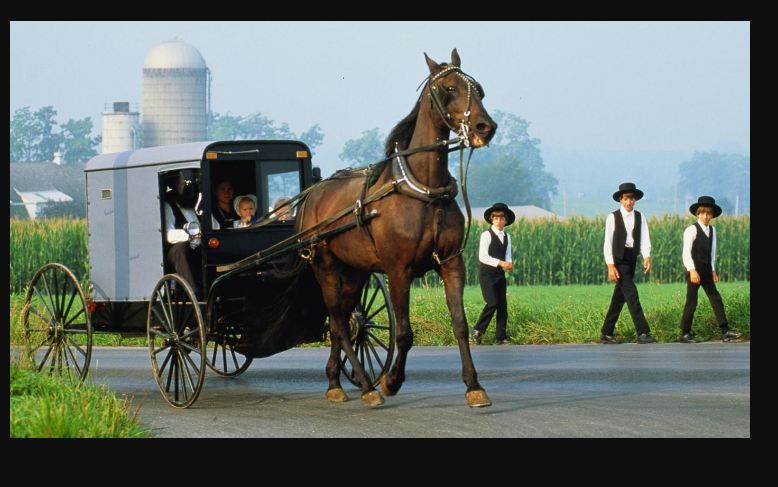
The term “Amish Oil Change” has been trending on social media, especially TikTok, leaving many confused about what it actually means. While some assume it’s a literal reference to how Amish communities maintain their farm tools, others have discovered it’s a slang phrase with a completely different, often inappropriate meaning. This mix of confusion and humor has caused the term to spread rapidly.
Who Are the Amish?
The Amish originated in the 17th century in Europe before settling mainly in the United States. They are known for living a peaceful, simple lifestyle grounded in faith, tradition, and community. They avoid many forms of modern technology and prefer manual labor, craftsmanship, and community-driven living. Their preference for simplicity sometimes leads outsiders to misunderstand their practices. Because the Amish avoid modern media, they become an easy target for jokes and misconceptions. Unfortunately, not all slang is respectful.
The Literal Meaning of Amish Oil Change
While the Amish limit their exposure to technology, they do use certain types of machinery, especially on farms like diesel engines, gas-powered tools, and horse-drawn equipment. The Amish don’t reject technology entirely; they choose what aligns with their values. Some communities allow internal combustion engines for farming but prohibit cars. Yes, in the literal sense, Amish men often maintain and repair their farm engines, which includes changing oil. But this has nothing to do with the slang version.
The Slang or TikTok Meaning
The term blew up on TikTok where users began using “Amish Oil Change” as a euphemism, usually to reference something adult or suggestive. In TikTok slang, the phrase is not related to the Amish at all. It is used jokingly to describe an action or situation that has an adult tone, making it a part of the platform’s coded humor. TikTok’s content rules often restrict explicit words, so people invent creative slang to bypass filters. This is how the term became a trend. Many viral phrases merge cultural references with humor, even if they are inaccurate or insensitive.
Why the Phrase Is Considered Controversial
The phrase “Amish Oil Change” is controversial because it uses a religious and culturally private community as part of an adult-coded joke. Many feel it reinforces stereotypes about the Amish and reduces their traditions to internet humor. While some users may see it as harmless slang, others consider it disrespectful because it connects a conservative group to inappropriate content. This clash between humor and cultural sensitivity fuels ongoing debate around the term.
Amish Beliefs Around Work and Craftsmanship
The Amish view work as a meaningful expression of faith, humility, and responsibility. To them, craftsmanship is not just a skill but a reflection of dedication, patience, and service to their community. Whether building furniture, repairing tools, or working the fields, they value doing every task with integrity and care. Their hands-on approach reinforces their belief in simplicity, cooperation, and living a life grounded in purpose rather than convenience.
The Reality: Amish Use of Tools & Technology
The Amish follow a selective approach to technology, choosing tools that support their values without disrupting their simple lifestyle. While they avoid items that promote dependence on the outside world, many communities still use gas-powered engines, farm tools, and woodworking equipment. These tools help them maintain productivity while staying true to their beliefs. Their careful balance between tradition and practicality often surprises outsiders who assume they reject all modern conveniences.
The Ritual Aspect (Myth vs Truth)
Many people assume the Amish have unique rituals involving tools or machinery, but this idea is mostly a modern myth shaped by online humor. In reality, the Amish do not attach spiritual or symbolic meaning to tasks like repairing equipment or changing oil. These activities are simply practical parts of their daily work and carry no ceremonial value. Social media exaggerations often turn ordinary practices into fictional “rituals,” creating confusion about their true lifestyle.
How Misinformation Spreads
Misinformation spreads quickly when a catchy phrase or confusing idea gains attention online. As users share posts without checking facts, the content becomes amplified and repeated across platforms. Over time, people start believing the misleading version simply because they’ve seen it often. Social media’s fast-paced nature makes it easy for myths to travel farther than truth, turning simple misunderstandings into widely accepted narratives.
How the Amish Community Views Modern Attention
Why TikTok Slang Evolves Quickly
Criticism of the Term
The phrase “Amish Oil Change” has faced criticism for being culturally insensitive and unnecessarily provocative. Many argue that using a religious community’s name in a slang term with adult implications crosses the boundary between humor and disrespect. Others point out that the trend spreads misinformation, reinforcing stereotypes about a group that values privacy and simplicity. While some defend it as harmless internet humor, many believe it trivializes a culture that is often misunderstood and misrepresented.
A Better Way to Respect Cultural Terms
Conclusion
The phrase “Amish Oil Change” mixes cultural misunderstanding with viral TikTok slang. While it may appear humorous online, it carries deeper implications about respect, cultural identity, and the power of social media to distort reality. Understanding the Amish way of life helps us appreciate the difference between harmless jokes and terms that can perpetuate stereotypes.
FAQs About Amish Oil Change Meaning
1. Is “Amish Oil Change” a real Amish practice?
No, the slang meaning has nothing to do with Amish culture.
2. Why did the term go viral on TikTok?
Because it’s coded slang used to bypass content filters and spark curiosity.
3. Do the Amish use engines that require oil changes?
Yes, some Amish groups use gas-powered tools and machinery.
4. Is the phrase considered disrespectful?
Many people believe it is because it associates a religious community with adult content.
5. What should people use instead of such slang?
It’s better to avoid cultural references in adult slang to prevent misrepresentation.