

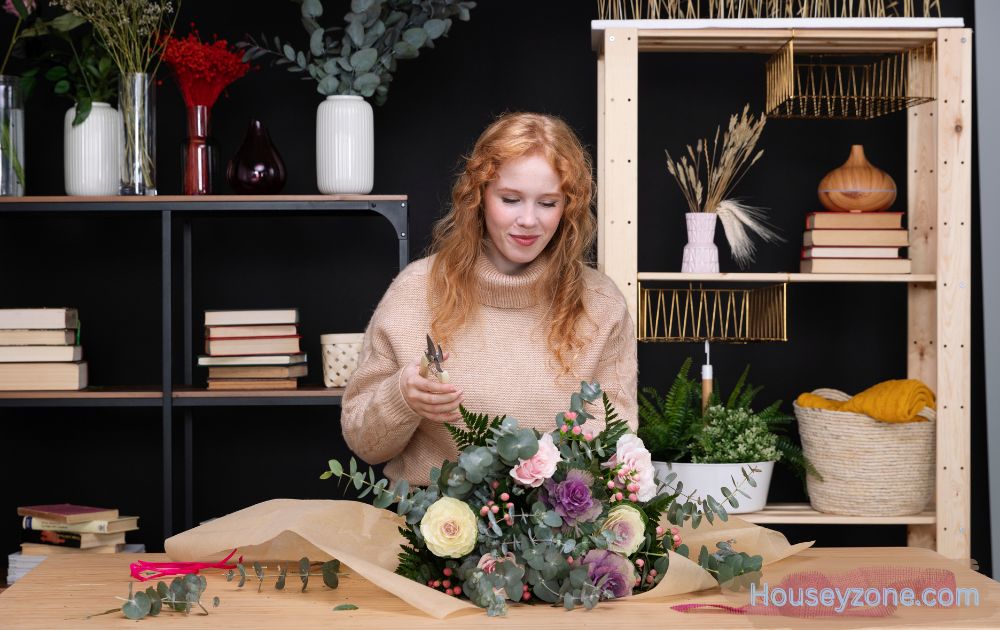
Sometimes, the smallest details make the biggest difference. Pyntekvister are a perfect example of this idea. These decorative branches may seem simple at first glance, but they carry a quiet elegance that can completely transform a space. Whether your home is modern, rustic, or somewhere in between, pyntekvister slip in effortlessly, like nature quietly knocking on your door and asking to come in. In a world full of bold colors and heavy decor, pyntekvister offer a breath of fresh air. They remind us that beauty doesn’t have to be loud to be powerful.
What Are Pyntekvister?
The word pyntekvister comes from Scandinavian languages and directly translates to “decorative branches.” These are natural or artificial branches used purely for decorative purposes. Unlike fresh flowers, they don’t scream for attention. Instead, they whisper calm, balance, and simplicity.
Traditionally, pyntekvister have been used in Nordic homes to reflect the deep connection between people and nature. Even today, they hold onto that same meaning while adapting to modern interior trends. Why are people suddenly obsessed with branches in vases? The answer is simple. Life is busy, homes are cluttered, and people crave calm. Pyntekvister deliver that calm without effort. They’re low maintenance, long-lasting, and endlessly versatile.
The Natural Beauty of Pyntekvister
Pyntekvister fit perfectly into minimalist interiors. They don’t overpower a room. Instead, they add just enough texture to keep things interesting. Think of them as punctuation marks in your decor subtle, but essential. One of the biggest strengths of pyntekvister is their flexibility. You don’t need to change them every week. In spring, you can decorate them with light ornaments or pastel eggs. In autumn, dried leaves and warm tones work beautifully. During winter, fairy lights or simple white ornaments turn pyntekvister into a cozy focal point.
Types of Pyntekvister You Can Use
Pyntekvister are available in different forms to suit various decorating needs. Natural branches offer an authentic, organic feel, while artificial options provide long-lasting beauty with no upkeep. Painted or treated pyntekvister add a modern, decorative accent to any space.
Points:
-
Natural pyntekvister for a raw, organic look
-
Artificial pyntekvister for durability and low maintenance
-
Painted or treated pyntekvister for a modern decorative style
Popular Materials Used in Pyntekvister
Popular materials used in pyntekvister often reflect a close connection to nature and simplicity. Birch branches are a favorite for their light color and clean look, while willow branches add movement with their soft, flowing shape. Cherry and apple branches are also popular because of their elegant structure and seasonal blossoms. In modern interiors, painted or treated branches made from wood or synthetic materials are commonly used to achieve a more polished and long-lasting decorative effect.
How to Style Pyntekvister at Home
Pyntekvister for Seasonal and Festive Decor
Pyntekvister are a beautiful way to adapt your home décor to different seasons and celebrations without making major changes. During festive times, they can be dressed up with lights, ornaments, or natural elements to match the mood of the season. In winter, they add warmth and coziness, while in spring they feel light and refreshing. Their flexibility makes them an easy and stylish choice for seasonal decoration.
Pyntekvister in Scandinavian Interior Design
DIY Pyntekvister Projects
Caring for Natural Pyntekvister
Where to Buy Pyntekvister
Eco-Friendly Benefits of Using Pyntekvister
Using pyntekvister is a sustainable way to decorate your home, as they reduce the need for disposable or mass-produced decor. They can be reused season after season, making them an eco-conscious choice that combines beauty with responsibility.
Points:
-
Reduces reliance on disposable decorations.
-
Can be reused and repurposed for multiple seasons.
-
Promotes sustainable and nature-inspired home decor.
Common Styling Mistakes to Avoid
When styling pyntekvister, less is often more. Overcrowding branches in a small vase or placing them in tight corners can make a space feel cluttered rather than elegant. It’s also important to consider the proportions of the room tall branches in a low-ceiling area can overwhelm the space. Always give your pyntekvister room to breathe and complement the overall decor for a balanced, natural look.
Why Pyntekvister Are Perfect for Modern Homes
Pyntekvister are an ideal choice for modern homes because they combine simplicity with elegance. Their natural shapes and textures add visual interest without overwhelming a space. They’re versatile, affordable, and fit seamlessly into minimalist, Scandinavian, or contemporary interiors. With a touch of creativity, pyntekvister can become a statement piece that brings warmth and a connection to nature indoors.
Conclusion
Pyntekvister prove that simplicity can be powerful. They bring calm, beauty, and personality into a home without demanding attention. Whether natural or artificial, minimal or decorated, pyntekvister adapt to your style and your seasons. They’re not just decor; they’re a quiet reminder to slow down and appreciate the beauty of nature indoors.
FAQs About pyntekvister
What are pyntekvister mainly used for?
They are used as decorative branches to enhance interior spaces naturally.
Are pyntekvister suitable for small apartments?
Yes, especially when styled minimally with smaller branches and slim vases.
Can I use real branches as pyntekvister?
Absolutely, as long as they are properly dried and cleaned.
How long do natural pyntekvister last?
With proper care, they can last for years.
Do pyntekvister fit modern interior design?
Yes, they are especially popular in modern and Scandinavian-style homes.