


Expert Renovation Services to Upgrade Your Old Bathroom Today
A bathroom that feels like it was built in the 1800s is getting old. It could be time to give your home a new lease on life! If you want to update your old bathroom, our professional renovation services can help you do it today.
Imagine taking a relaxing soak in a tub with beautiful features and stylish décor. Our team can help you make your dream space a reality, whether it’s a relaxing spa-like escape or a lively place for the whole family. You’re about to enjoy a bathroom that fits your style and your wants.
Why Renovate Your Bathroom?
Old bathroom makeovers can have a significant impact on both the aesthetics and functionality of your home. Here are some reasons why you should consider upgrading your old bathroom today:
Increase Home Value
Bathroom upgrades is one of the top selling points in a house. An updated, modern bathroom will increase the value of your home, making it more attractive to potential buyers.
Improve Energy Efficiency
Outdated fixtures and plumbing can lead to wasted water and higher utility bills. By upgrading to energy-efficient options, you can save money in the long run while also reducing your environmental footprint.
Enhance Comfort and Functionality
Are you tired of dealing with a cramped, outdated bathroom? A renovation can help you create a more spacious and functional layout that better meets your needs and lifestyle. Plus, with the latest technology and features available, you can enjoy added comfort and convenience in your daily routine.
Address Safety Concerns
Old bathrooms may have safety hazards such as slippery floors or outdated electrical systems. Upgrading your bathroom allows you to address these issues and create a safer space for yourself and your family.
Our Renovation Process
At our expert renovation services company, we take pride in offering top-quality workmanship and exceptional customer service. Here’s what you can expect when working with us:
Initial Consultation
We’ll meet with you to discuss your vision, budget, and timeline. We’ll also assess your current bathroom to determine any structural or plumbing changes that may be needed.
Design and Planning
Our team of experts will collaborate with you to create a design plan that incorporates your ideas. We will also provide practical solutions tailored to your space.
Quality Workmanship
We use only the best materials and employ skilled professionals. This ensures high-quality results that exceed your expectations.
Timely Completion
We understand the inconvenience of not having access to a functional bathroom. That’s why we strive to complete our projects on time, so you can start enjoying your new space as soon as possible.
Renovating your bathroom not only enhances your enjoyment of the space, but it can also significantly improve your home’s overall return on investment. If you’re contemplating ways to elevate your living environment, consider bathroom remodeling to achieve a stylish and functional upgrade that meets your specific needs.
Elevate Your Space with Our Unmatched Renovation Services!
Your old bathroom doesn’t have to be a thing of the past with our professional renovation services. We are experts at making modern, useful places that will make your home look better and make your daily life easier.
Our team is committed to giving you the best service possible and making sure you’re happy with every job we do. Improve your old bathroom right now and start loving all the benefits it has to offer!
Does this article help you? Explore our website to find more helpful and fun stories that could help you.
Stay in touch to get more updates & news on houseyzone!
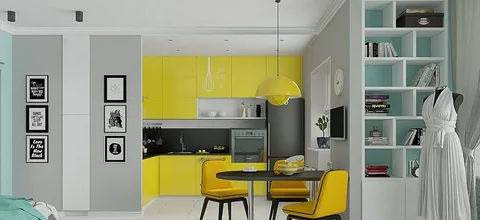
Introduction to Interior Design Studios
Interior design studios are hubs of creativity and innovation, transforming spaces into functional and aesthetically pleasing environments. These studios blend artistic vision with practical functionality, catering to a variety of tastes and requirements. From residential homes to commercial spaces, interior design studios play a pivotal role in shaping the ambiance and usability of any area.
One exemplary company in this field is Digar Kiona. Known for its attention to detail and commitment to client satisfaction, Digar Kiona has established itself as a leader in interior design. Their portfolio showcases a diverse range of projects, from chic urban apartments to luxurious family homes and cutting-edge office spaces. By combining innovative design concepts with high-quality materials, Digar Kiona consistently delivers spaces that are both beautiful and functional, tailored to meet the unique needs and preferences of their clients.
Services Offered by Interior Design Studios
Interior design studios offer a wide array of services tailored to meet the unique needs of their clients. These services often include space planning, color consultation, furniture selection, lighting design, and custom cabinetry. Additionally, they may provide project management services, overseeing the entire design process from concept to completion. This comprehensive approach ensures a cohesive and well-executed design that aligns with the client’s vision. The range of services allows clients to have a one-stop solution for all their design needs, streamlining the process and ensuring consistency throughout the project.
The Design Process
The design process in an interior design studio typically begins with a thorough consultation to understand the client’s preferences, lifestyle, and budget. This initial phase is crucial as it sets the foundation for the entire project. The designer will ask detailed questions and may even visit the client’s current space to get a sense of their style and how they live. Following the consultation, a detailed site analysis is conducted to assess the space and identify any challenges or opportunities. Based on this information, the designer creates a conceptual design, often using 3D renderings or mood boards to illustrate their ideas.
These visual tools help clients to see how the proposed design will look and feel. Once the concept is approved, the designer develops a detailed plan, including floor plans, elevations, and specifications for materials and finishes.
Importance of Personalization
Personalization is a key aspect of interior design. An experienced interior designer understands the importance of tailoring each project to reflect the personality and preferences of the client. This can involve selecting unique furniture pieces, custom-made furnishings, or incorporating personal memorabilia into the design.
For example, a designer might source a one-of-a-kind piece of art that resonates with the client or design a custom bookshelf to display a cherished collection. By focusing on personalization, interior design studios create spaces that are not only beautiful but also deeply meaningful and comfortable for the occupants. This personal touch makes the space truly feel like home or, in the case of a commercial project, can help to reinforce the brand’s identity and values.
Trends in Interior Design
Interior design is an ever-evolving field, with trends constantly emerging and evolving. Some current trends include the use of sustainable and eco-friendly materials, the incorporation of smart home technology, and the preference for open-plan living spaces. Sustainable design, for instance, emphasizes the use of materials that have minimal environmental impact, such as reclaimed wood, recycled metal, and low-VOC paints. The rise of smart home technology has led to the integration of features like automated lighting, climate control, and security systems into interior designs.
Additionally, there is a growing interest in biophilic design, which seeks to connect indoor spaces with nature through the use of natural materials, plants, and natural light. Interior design studios stay abreast of these trends, ensuring their designs are contemporary and forward-thinking.
The Role of Technology
Technology plays a significant role in modern interior design. Advanced software allows designers to create highly detailed 3D models and virtual walkthroughs, helping clients to visualize the final outcome before any work begins. This technology can be especially helpful in conveying complex ideas and ensuring that the client and designer are on the same page.
Furthermore, smart home technology can be integrated into designs to enhance functionality and convenience. From automated lighting and climate control to security systems and entertainment setups, technology is an integral part of contemporary interior design. Some studios also use project management software to keep track of timelines, budgets, and communications, ensuring that projects run smoothly and efficiently.
Selecting an Interior Design Studio
Choosing the right interior design studio is crucial for the success of any project. It’s important to consider the studio’s portfolio, which provides insight into their style and capabilities. Reviewing a portfolio can help you determine if the studio has experience with projects similar to yours and if their aesthetic aligns with your vision. Client testimonials and reviews can also be helpful in gauging the studio’s reputation and customer satisfaction. Additionally, it’s beneficial to have an initial consultation to discuss your project and determine if the designer’s approach aligns with your vision and expectations.
The Impact of Interior Design
Interior design has a profound impact on our daily lives. Well-designed spaces can improve mood, productivity, and overall well-being. In residential settings, thoughtful design can create a sanctuary that promotes relaxation and comfort. For instance, the use of calming colors, comfortable furniture, and natural light can transform a living room into a peaceful retreat. In commercial environments, effective design can enhance brand image, attract customers, and boost employee morale. An inviting retail space or a well-organized office can make a significant difference in how people perceive and interact with a business. Interior design studios play a crucial role in shaping these environments, ensuring they are both beautiful and functional.
Conclusion
Interior design studios are essential for transforming spaces into personalized, functional, and aesthetically pleasing environments. Through a comprehensive design process, attention to trends, and the integration of technology, these studios create spaces that enhance the quality of life for their occupants. Whether for residential or commercial projects, selecting the right interior design studio can make a significant difference in achieving a successful and satisfying outcome.

Home Pest Control Services
Pest infestations in homes can be a major nuisance and a health hazard. Dealing with pests like rodents, insects, and other unwanted critters requires effective and professional solutions. Home pest control services offer a range of treatments to ensure a pest-free living environment.
Diamond Pest Control is a renowned company that has been providing home pest control services for decades. With a team of highly trained and certified technicians, Diamond Pest Control offers comprehensive pest management solutions tailored to the specific needs of each home. Their services include detailed inspections, customized treatment plans, and ongoing maintenance to ensure long-term pest prevention. Diamond Pest Control uses advanced technologies and eco-friendly products to effectively eliminate pests while prioritizing the safety of residents and the environment.
Importance of Pest Control
Maintaining a pest-free home is crucial for several reasons. Pests can cause significant damage to property, including chewing through electrical wiring, insulation, and wooden structures. They can also contaminate food supplies and spread diseases, posing serious health risks to residents. Regular pest control can prevent these issues, ensuring a safe and healthy living environment. A pest-free home not only protects your health but also preserves the structural integrity and value of your property.
Types of Pests
Home pest control services tackle a wide variety of pests. Common household pests include ants, cockroaches, termites, bed bugs, mosquitoes, rodents, and spiders. Each type of pest requires specific treatment methods to effectively eliminate and prevent future infestations. Ants, for instance, might require baiting techniques, while termites need more extensive treatments like soil treatments or bait stations.
Bed bugs often require heat treatments or chemical applications, and rodents might be managed through traps and exclusion methods. Professional pest control services are equipped with the knowledge and tools to handle all these pests, ensuring that each infestation is addressed appropriately and thoroughly.
Benefits of Professional Pest Control
Professional pest control services offer several advantages over DIY methods. Experts in pest control are trained to identify different types of pests and understand their behavior. This knowledge allows them to apply the most effective treatments for each specific pest. Additionally, professionals have access to commercial-grade products and equipment that are more effective than over-the-counter options available to consumers.
By hiring a professional pest control service, homeowners can save time and effort while ensuring that the pest problem is thoroughly addressed. Furthermore, professional services provide ongoing monitoring and maintenance to prevent future infestations, offering peace of mind and long-term protection for your home.
Comprehensive Inspection and Assessment
A thorough inspection and assessment of the property are essential steps in any pest control plan. Pest control professionals conduct a detailed examination of the home to identify the type and extent of the pest problem. This includes inspecting common entry points, such as cracks and crevices, windows, doors, and utility openings. They also look for signs of pest activity, such as droppings, nesting materials, and damage to property. This comprehensive assessment allows the pest control technician to develop a tailored treatment plan that addresses the specific needs of the home. Accurate identification of the pest and understanding its lifecycle and habits are crucial for effective control and prevention.
Customized Treatment Plans
Once the inspection is complete, pest control professionals create customized treatment plans based on their findings. These plans may involve a combination of methods, including chemical treatments, baits, traps, and exclusion techniques.
The goal is to eliminate the current infestation and prevent future occurrences. Chemical treatments are often used to target specific pests and are applied in a controlled manner to minimize exposure to residents and pets. Baits and traps are strategically placed to capture and eliminate pests. Exclusion techniques, such as sealing entry points and repairing structural damage, help prevent pests from entering the home. This integrated approach ensures that the pest control plan is comprehensive and effective.
Safety and Environmental Considerations
Modern pest control services prioritize safety and environmental responsibility. Many companies use eco-friendly products and methods that are safe for humans and pets while effectively eliminating pests. Professionals are trained to apply treatments in a manner that minimizes risks to health and the environment.
They follow strict guidelines and regulations to ensure that the products and methods used are both safe and effective. By choosing a reputable pest control service, homeowners can be confident that their pest problems will be resolved without compromising the safety of their family or the environment. Additionally, ongoing education and training ensure that pest control professionals stay up-to-date with the latest advancements in pest control technology and techniques.
Prevention and Maintenance
Effective pest control goes beyond just addressing current infestations. Prevention and maintenance are key components of a long-term pest control strategy. Pest control professionals provide homeowners with advice on how to reduce the risk of future infestations.
This may include recommendations for proper sanitation, structural repairs, and landscaping practices. Regular maintenance visits from pest control professionals can help identify and address potential issues before they become significant problems. By taking proactive measures, homeowners can maintain a pest-free environment and avoid the stress and expense of dealing with major infestations. Investing in regular pest control maintenance is a smart decision that protects your home and enhances your quality of life.
Choosing the Right Pest Control Service
Selecting the right pest control service is essential for effective pest management. Homeowners should look for a company with a good reputation, proper licensing, and experienced technicians. Reading reviews and asking for recommendations can help in making an informed decision.
It’s also important to choose a service that offers comprehensive solutions and stands by their work with guarantees or warranties. A reputable pest control service will provide transparent pricing and detailed explanations of their treatment plans. By partnering with a trusted pest control provider, homeowners can ensure that their pest problems are handled professionally and efficiently, resulting in a safer and more comfortable living environment.
Conclusion
Home pest control services play a vital role in maintaining a safe, healthy, and comfortable living environment. By addressing current infestations and implementing preventive measures, professional pest control services help protect homes from damage and health risks associated with pests. Their expertise, comprehensive treatment plans, and commitment to safety and environmental responsibility make them an invaluable resource for homeowners. Choosing the right pest control service ensures effective pest management and peace of mind, allowing residents to enjoy a pest-free home. Investing in regular pest control maintenance not only safeguards your property but also enhances your quality of life by providing long-term protection against unwanted pests.

Brick Interior Walls: Add Character to Any Space
If you want to bring warmth and texture to your home, consider brick interior walls. Brick is more than just a building material. It can transform a room into a cozy retreat.
In this blog article, we will explore the benefits of brick walls, the various styles you can achieve, and some tips on how to incorporate them into your home.
The Appeal of Brick Walls
Brick interior walls can add a unique charm to any space. Their rustic look brings a touch of history and character. Each brick tells a story, adding depth and a sense of permanence to your home.
Unlike other materials, thin bricks do not go out of style. It ages beautifully, developing a patina that enhances its appeal over time.
Another significant advantage of brick is its versatility. It works in various styles, from traditional to modern. You can choose to leave the walls exposed for an industrial vibe or paint them to match your decor. This flexibility allows homeowners to personalize their spaces according to their tastes.
Benefits of Brick Interior Walls
Durability
One of the best reasons to choose brick is its remarkable durability. Brick walls can withstand the test of time, requiring minimal maintenance.
They do not warp, rot, or dent, making them ideal for any environment. You do not have to worry about dings or scratches affecting the overall look of the wall.
Insulation
Another noteworthy benefit of brick is its insulating properties. Brick walls help keep your home warm during the winter and cool during the summer.
They naturally regulate indoor temperatures, which can lead to energy savings over time. With proper insulation, brick can significantly reduce heating and cooling costs.
Soundproofing
Brick also provides excellent soundproofing. The density of bricks absorbs sound, making your home quieter. This is especially beneficial if you live in a noisy area or have children who play loudly. With brick walls, your home can be a peaceful retreat from the outside world.
Fire Resistance
Safety is another reason to consider brick. Brick is fire-resistant, providing an added layer of protection for your home. In the event of a fire, brick walls can help slow the spread of flames, giving you crucial time to react.
Styles of Brick Interior Walls
Exposed Brick
Exposed brick is a popular choice for many homeowners. The raw, unfinished look of exposed brick adds character to a room while creating an inviting atmosphere.
You can incorporate it into living spaces, kitchens, or even bedrooms. When combined with modern fixtures and furniture, exposed brick can create a lovely contrast between old and new.
Painted Brick
If you prefer a more modern look, painted brick might be the right choice for you. Painting brick can brighten up a space and give it a fresh appearance.
You can choose vibrant colors or go for a more subdued palette, depending on your style. Just be mindful that painting brick may make it harder to restore the wall to its original state if you decide to remove the paint later.
Whitewashed Brick
Whitewashed brick offers a softer look than traditional brick. This style allows the texture of the brick to show through while providing a light and airy feel.
Whitewashing is perfect for those who want the character of brick without the heaviness of its natural color. It pairs beautifully with beachy or farmhouse aesthetics.
Accent Walls
If you are unsure about committing to brick in an entire room, consider creating an accent wall. This approach allows you to showcase brick without overwhelming a space. An accent wall can serve as a focal point, drawing the eye and adding interest to your décor.
Brick Archways and Columns
In addition to walls, brick can be used in architectural features like archways and columns. These elements can enhance the visual impact of your home. A brick archway can define a separate area within an open floor plan, while brick columns can provide structural support and add to the overall aesthetic.
How to Incorporate Brick into Your Home
Choosing the Right Type of Brick
Before installing brick walls, it is essential to choose the right type of brick. There are various options available, from traditional clay bricks to modern concrete bricks. Consider the overall look you want to achieve and select bricks that align with your vision.
Hiring Professionals
While some homeowners may be skilled enough to install brick walls themselves, hiring a professional is advisable for the best results.
Professional installers have the experience and expertise needed to handle the complexities of brickwork. They can ensure that your walls are not only beautiful but also structurally sound.
Planning the Space
When incorporating brick into your home, take the time to plan your space carefully. Consider the layout and how the brick walls will interact with other design elements. Think about how natural light will play off the brick’s texture, as well as the color scheme of the room.
Maintenance Considerations
While brick walls are low-maintenance, they do require some care. Regular cleaning can keep your walls looking fresh and prevent dirt from accumulating in the crevices. If you have exposed brick, consider sealing it to protect it from moisture damage.
Complementing With Decor
To highlight your brick walls, think about how you can complement them with decor. Choose furniture and accessories that enhance the warmth of the brick rather than compete with it. Natural wood accents, soft textiles, and earthy tones pair beautifully with brick, creating a cohesive and inviting design.
Adding Charm and Character: The Lasting Impact of Brick Interior Walls
Incorporating brick interior walls into your home can significantly enhance its character and charm. With styles ranging from exposed brick to whitewashed and painted options, there is something to suit every taste. The practical benefits of durability, insulation, and fire resistance make brick an excellent choice for any homeowner.
Remember to plan your space thoughtfully, choose the right type of brick, and consider hiring professionals for the best results. Embrace the timeless appeal of brick and transform your home into a warm and inviting oasis.
For similar topics, visit our blog on houseyzone!

How to Choose the Right Type of Cribbing Wood for Your Project
When working on a project that requires support or stability, choosing the right type of cribbing wood is important.
Cribbing wood refers to the lumber used to build sturdy structures that can hold up heavy items. There are many options available, and picking the right one can make your project safe and effective.
In this guide, we will look at some key points to consider when selecting cribbing wood, ensuring you make the best choice for your needs.
Types of Cribbing Wood
Cribbing wood comes in several types, each suitable for different uses of cribbing construction. Common options include oak, pine, and plywood. Oak is known for its strength and durability, making it a great choice for heavy loads.
Pine is lighter and easier to work with, which can be helpful for smaller projects. Plywood, made from layers of wood glued together, provides good support and is often used in cribbing construction. When choosing the right wood, think about the weight it needs to hold and the conditions it will be in.
Consider Weight Capacity
When selecting cribbing wood, it is important to consider the weight capacity it needs to hold. Each type of wood has a limit to how much weight it can safely support. For example, oak can carry heavier loads compared to pine.
If you’re using crane cribbing, make sure it is strong enough for the weight of the items you are lifting. Always check the maximum load capacity of the wood to ensure it meets your project’s needs. This way, you can be sure that your structure will be safe and reliable.
Assess Durability
When choosing wood for cribbing, durability is key. You want to pick wood that can last, especially if it will be outside or in tough conditions. Some woods, like oak, resist rotting and weather damage better than others. This means wood cribbing blocks made from these types will hold up longer over time.
Consider how the wood will be used and if it will be exposed to water or heavy weights. Strong and durable wood cribbing blocks will help ensure your project stays safe and works well for many years.
Consider Weather Conditions
If the wood is going to be used outside, it needs to handle rain, snow, or extreme heat. Some types of wood, like treated pine, can resist moisture and decay better than others.
This makes them a good choice for outdoor projects. You should ask yourself if the wood will be in a wet area or exposed to the sun for a long time. Choosing the right type of wood based on the weather can help your project last longer and stay safe.
Take Safety Measures
When working with cribbing wood, safety should always come first. Make sure to inspect the wood before using it to check for any cracks or damage that could make it weak.
Always wear the proper safety gear, such as gloves and hard hats, to protect yourself while lifting and moving heavy materials. It is also a good idea to have a plan in place for how you will stack the wood safely, so it does not tip over.
Learn More About Cribbing Wood
Choosing the right cribbing wood is important for any project that needs support. By looking at factors like weight capacity, durability, weather conditions, and safety, you can find the best wood for your needs.
Good cribbing wood will help keep your project strong and safe.
Looking for more tips and ideas? We’ve got you covered. Check out some of our other posts now on houseyzone.

5 Tips for Finding a Reputable Realtor in Vegas
Finding the right realtor is crucial when buying or selling a home, especially in a dynamic and competitive market. Reputable Las Vegas real estate agents can guide you through the complex process, provide valuable insights, and ensure you get the best deal possible. However, choosing the right one can be overwhelming. Knowing what to look for and how to evaluate potential realtors can make a significant difference in your real estate experience. Here are five essential tips to help you find a trustworthy and effective realtor.
1. Research Their Experience
When searching for a reputable realtor, the first thing to consider is their experience. A seasoned realtor will have a deep understanding of the market and a proven track record of successful transactions. Look for realtors who have been in the business for several years and have experience dealing with properties similar to yours. Their expertise can be invaluable in navigating the complexities of real estate transactions and negotiating favorable terms. An experienced realtor will have a network of contacts, including other real estate professionals, lenders, and inspectors. This network can help streamline the process and ensure that you have access to the best services available.
2. Check Their Credentials and Licensing
Another critical factor to consider is the realtor’s credentials and licensing. Ensure that the realtor you choose is licensed and in good standing with the state’s real estate commission. This information is typically available online through the state’s licensing board. A licensed realtor has met the necessary education and training requirements, which can give you confidence in their professionalism and knowledge. Look for additional certifications or designations that indicate specialized training or expertise. For instance, a realtor with a Certified Residential Specialist (CRS) or Accredited Buyer’s Representative (ABR) designation has undergone additional training and demonstrated a commitment to their profession. Checking credentials and licensing helps you verify that the realtor is qualified and dedicated to providing high-quality service.
3. Read Reviews and Ask for References
Reading reviews and asking for references is an excellent way to gauge a realtor’s reputation. Online reviews on platforms like Google, Yelp, and Zillow can provide insights into the experiences of past clients. Look for patterns in the feedback, such as consistently positive comments about the realtor’s communication, negotiation skills, and overall effectiveness. Be wary of realtors with numerous negative reviews or unresolved complaints. Ask the realtor for references. Speaking directly with past clients can give you a more personal perspective on the realtor’s strengths and weaknesses. Ask about their overall satisfaction, how the realtor handled challenges, and whether they would recommend the realtor to others.
4. Evaluate Their Communication Skills
Effective communication is essential in any real estate transaction. A reputable realtor should be responsive, clear, and proactive in how they communicate. Pay attention to how quickly they respond to your inquiries and their willingness to provide detailed information. Good communication helps ensure that you are well-informed throughout the process and that your needs and preferences are understood and addressed. Consider how the realtor communicates their marketing strategy if you’re selling a home. They should be able to articulate a clear plan for promoting your property, including online listings, open houses, and other marketing tactics. Their ability to communicate effectively with potential buyers or sellers can significantly impact the success of your transaction.
5. Assess Their Local Market Knowledge
A realtor with in-depth knowledge of the local market can offer significant advantages. They should be familiar with the neighborhoods, current market trends, and the nuances that can affect property values. Local expertise enables them to provide accurate pricing recommendations and identify the best opportunities for their clients. Assessing a realtor’s market knowledge involves asking specific questions about recent transactions and their insights on market conditions. A knowledgeable realtor can help you understand the unique aspects of different neighborhoods, such as school districts, amenities, and future development plans. This information can be crucial in making informed decisions about buying or selling a property.
Conclusion
Finding a reputable realtor requires careful consideration of their experience, credentials, and communication skills. By researching their background, checking reviews and references, and assessing their market knowledge, you can identify a realtor who will provide exceptional service and support throughout your real estate journey. A trustworthy realtor works to protect your interests and ensure you achieve your goals. With these tips in mind, you can make a confident choice. Your real estate agent will be a valuable partner.

4 Common Roofing Issues and How Professional Roof Services Can Help
From the relentless heat of the summer sun to the harsh winter winds, our roofs endure a constant battle against the elements. Yet, we often take for granted the importance of a strong and sturdy roof until we are faced with a leak or a collapsed section.
As homeowners, it is crucial to be aware of the common roofing issues that can arise and the potential damage they can cause. Yet, fear not, professional roof services are here to save the day.
Leaving your roofing problems in the hands of professionals is a smart decision. So, let us dive into the world of roofing issues.
1. Leaks
Leaks can occur for a variety of reasons such as damaged shingles, clogged gutters, or improper installation. Leaks not only compromise the structural integrity of the roof but also lead to water damage inside the house.
This is where professional roof services can help. Experienced roofing professionals can conduct a thorough inspection to identify the source of the leak and provide an effective solution. They have the necessary skills, tools, and materials to repair or replace damaged shingles, fix clogged gutters, and ensure proper installation.
2. Missing Shingles
This can be caused by strong winds, harsh weather conditions, or due to age and wear and tear. Not only do missing shingles affect the aesthetic appeal of a home, but they also leave the roof vulnerable to water damage and leaks. Professional roof services can help by conducting a thorough inspection and identifying the underlying cause of missing shingles.
They have the expertise and tools to replace missing shingles, ensuring that your roof is properly protected. Additionally, they can also provide preventative maintenance to prevent future shingle loss. Seeking a professional roof service for missing shingles can save homeowners from a costly roof repair and keep their homes well-maintained.
3. Damaged Flashing
Flashing, which is usually made of metal or durable material, is used to seal the joints and transitions on a roof to prevent water from seeping through. Over time, flashing can become damaged due to weathering, age, or poor installation. When this happens, it can lead to water leaks, mold growth, and even structural damage.
That’s why it’s important to seek professional roof services to repair damaged flashing. Professional roofers have the expertise and tools to inspect and replace damaged flashing, ensuring that your roof is protected from the elements. With their help, you can prevent further damage and maintain a durable and secure roof for your home.
4. Improper Installation
This can lead to a variety of problems, such as leaks, structural damage, and a shorter lifespan for the roof. A great way to address this issue is by seeking professional roof services. By visiting websites like https://coxroofingms.com, homeowners can transform their homes with an attractive, durable, and constructed roof.
These professional services provide high-quality materials. This ensures that the roof is installed and can withstand the elements for years to come. With professional roof services, homeowners can rest assured that their roofs will be installed correctly, avoiding any potential issues and giving them peace of mind.
Discover How Professional Roof Services Can Help With Roofing Issues
Addressing roofing issues is crucial for the safety and longevity of our homes. From leaks and cracks to mold and structural damage, these common issues must not be ignored.
By seeking professional roof services, we can ensure that our roofs are properly maintained and repaired. Contact local roofing contractors and schedule an inspection. Your home deserves the best care!
Looking for more tips? Make sure to bookmark our page and come back to check out more interesting articles on houseyzone.

How to Identify and Fix Common Issues with Single Pane Windows
Are you struggling with single pane windows in your home? You’re not alone. Many homeowners face issues with these older window types. They can be less energy-efficient and more prone to problems like drafts and condensation.
But don’t worry! Our guide offers some essential tips to help you identify and fix common issues with single pane windows. Whether you’re seeing cracks or feeling cold air seeping in, effective window repair is just a few steps away.
With the right knowledge, you can improve your home’s comfort and save on energy costs. Let’s dive into these handy tips!
Identify Drafts
Identifying drafts in your windows is essential for comfort. Start by checking the edges of your windows for gaps. You can use your hand to feel the cold air coming in.
Another method is to use a candle or incense stick. Light it and hold it near the window frame. If the flame or smoke flickers, you have a draft.
Once you’ve found the drafts, you can work on solutions for draft reduction. Simple measures, like weather stripping or caulking, can make a big difference. With a little effort, you can keep your home warm and cozy.
Check for Broken Glass
Check your windows for any broken or cracked glass. Look closely at the entire pane. Small cracks can lead to bigger problems if not repaired quickly.
If you find broken glass, handle it carefully. Use gloves to protect your hands from sharp edges. It’s best to cover the broken area with cardboard or plastic until you can fix it.
Replacing broken glass is important for energy efficiency. You can buy a replacement pane at a hardware store. If you are unsure, consider calling a professional to help with the repair.
Examine for Rot and Decay
Examine your window frames for signs of rot and decay. Look for any soft or spongy wood. This can happen due to moisture getting trapped in the wood.
If you find any rotten areas, it’s important to act fast. You can often patch smaller areas with wood filler. For larger rot, you may need to replace the affected wood altogether.
Preventing rot is key to window longevity. Ensure that your windows are properly sealed and painted. Regular maintenance will help keep rot and decay at bay.
Seal Gaps with Weatherstripping
Weatherstripping is an effective way to seal gaps around your windows. It helps block outside air from entering your home. This can save you money on energy bills.
To install weatherstripping, clean the window frame. Remove any old material and dirt. Then, cut the weatherstripping to the right length.
Next, peel off the backing and press it into place. Make sure it fits snugly against the frame. Once installed, check for any remaining drafts to ensure a good seal.
Use Window Film
Window film is a great option for enhancing your windows. It can help reduce heat loss and improve insulation. Applying window film is an easy DIY project.
To use window film, clean the window surface first. Cut the film to fit the window size. Then, apply it carefully, working out any bubbles.
Installing window film can offer energy savings. It helps keep your home cooler in the summer and warmer in the winter. This simple upgrade can lead to significant insulation improvement over time.
Install Storm Windows
Installing storm windows can be a smart choice for your home. Storm windows are additional windows installed over your existing ones. They provide an extra layer of insulation and protect against weather elements.
These windows help reduce drafts and improve energy efficiency. They can also shield your primary windows from damage caused by severe weather. Overall, storm windows can extend the life of your current windows.
The installation process is straightforward. First, measure your existing windows to ensure proper sizing. Next, follow the manufacturer’s instructions for a secure fit.
Repair Broken Glass
Repairing broken glass can be a straightforward task. First, carefully remove any jagged pieces of glass to avoid injury. Make sure to wear gloves to protect your hands during this process.
Next, you will need to measure the frame to get the right size for the new glass. Purchase a suitable glass piece based on your measurements. Clean the window frame to ensure a good seal for the new pane.
Install the replacement glass by placing it in the frame. Secure it with glazing points or clips. Finally, apply putty around the edges to seal and protect the glass from moisture.
Fix Sash Cords and Balances
Fixing sash cords and balances is important for window operation. Sash cords help to hold the window in place. If they break, the window may not stay up.
To repair sash cords, start by removing the window sash. Check for frayed or broken cords. Replace them with new cords to restore function.
Balancing the window is also key. You may need to adjust or replace the balances. Properly balanced windows operate smoothly and enhance safety.
Consider Professional Repair Services
For complex issues or extensive repairs, it’s best to consult a professional. Sometimes, DIY fixes are not enough. Hiring an expert can save you time and ensure quality work.
Professionals have the right tools and knowledge for the job. They can quickly identify issues you might have missed. This can prevent more serious problems in the future.
If you’re in the Las Vegas area, check out this leading residential window repair in Las Vegas. They offer expert services to ensure your windows are in top condition. Letting the pros handle your repairs can give you peace of mind.
Time to Transform Your Single Pane Windows
In conclusion, taking care of your single pane windows is essential for comfort and efficiency. By identifying issues and implementing simple fixes, you can improve their condition. Whether you choose to seal gaps, replace glass, or call a professional, every step counts.
Keeping your windows well-maintained helps save energy and keeps your home cozy. Remember, with a little effort, your single pane windows can serve you better and last longer, enhancing your living space.
Did you find this article helpful? Visit more of our blogs on houseyzone!

Exploring the Different Types of Hydronic Heating Systems for Your Space
Hydronic heating systems are popular for keeping spaces warm. They use water to transfer heat through pipes or radiators. There are several types to choose from, making it important to know which one fits your needs.
Each system has its features and functions. Some systems heat water using a boiler, while others might use a water heater. Understanding these types will help you make a smart choice for your home or business.
In this guide, we will explore the different types of hydronic heating systems for your space.
Baseboard Heaters
Baseboard heaters are a popular option in hydronic heating systems. They are placed along the base of walls and provide steady warmth to a room. These heaters work by circulating hot water through pipes that run inside them.
One advantage of baseboard heaters is their even heat distribution. This means no cold spots are left in the room. They also take up minimal space, making them great for smaller areas.
Baseboard heaters can be a great choice for comfort solutions in your home. They can be controlled easily, allowing you to set the temperature right.
Radiators
Radiators are another common option in hydronic heating systems. They are metal devices that can be mounted on walls or placed on the floor. Radiators work by heating water, which flows through pipes and warms up the metal.
One key benefit of radiators is their ability to heat a room quickly. They can spread warmth evenly, helping to keep your home comfortable. Radiators can also improve home efficiency, as they often heat spaces more effectively than other options.
Radiators come in various styles and sizes. This variety allows you to choose ones that fit your home decor.
Radiant Floor Heating
Radiant floor heating is a popular choice for homes. It uses warm water flowing through pipes beneath the floor. This heat rises gently, making the room comfortable and cozy.
One big advantage of this system is warmth underfoot. You feel the heat from the ground up, which is very nice on cold days. Many people enjoy walking on warm floors.
Some radiant heating panels can also be installed in walls or ceilings. This adds more options for staying warm. With radiant floor heating, you can create a snug home environment all winter long.
Hydronic Air Handlers
Hydronic air handlers are another option in hydronic heating systems. They blend warm water with air to heat a room effectively. These system types distribute heated air through ducts or vents.
These units are efficient and can quickly change the air temperature. They work well in larger spaces where radiators or baseboard heaters might struggle. Hydronic air handlers can improve comfort levels across different rooms in your home.
Installing hydronic air handlers can be a great choice for many owners. They offer flexibility in design and can match your decor.
Choosing the Right Hydronic Heating System
Hydronic heating is an excellent choice for many homes. It keeps spaces warm and cozy during cold months. There are different types to fit everyone’s needs.
Baseboard heaters, radiators, radiant floor heating, and air handlers all have unique benefits. Each one helps to create a comfortable indoor environment. Picking the right system can make your house feel nice and inviting.
Check out our houseyzone other articles today! Search for something you’re interested in and see what other content we have!
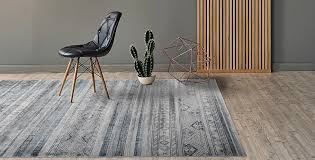
Layering with Modern Carpet: How to Add Depth and Style to Any Room
Did you know that the global carpet market is expected to reach $86.2 billion by 2032?
Carpets have become an essential element in interior design. They add warmth and texture to a room. One of the most popular trends in carpeting is layering.
Layering involves placing rugs or carpets on top of each other to create depth and add interest to a room. This technique can elevate any space, from living rooms and bedrooms to hallways and dining areas.
In this article, we’ll discuss how you can use modern carpet layering techniques to enhance your home’s style. Keep reading to learn more!
Choose the Right Pair
The key to successful carpet layering is choosing the right pair of carpets. When selecting the best carpets for floors, consider their size, texture, and color.
Choose a larger base rug with a neutral color and subtle pattern. This will serve as the foundation for your layered look. It will also help provide a cohesive base for the rest of the room’s decor.
For the top layer, opt for a smaller rug with bolder colors or patterns. This will add depth and interest to your space while still complementing the base rug.
Mix and Match Textures
Another important aspect of carpet layering is mixing textures. Don’t be afraid to experiment with different types of materials such as wool, jute, sisal, and shag. The combination of these textures will add dimension to your space.
You can also play with the pile heights of the carpets. Layering a low-pile rug over a high-pile one can create an interesting contrast. It can give the illusion of different zones in a room.
Placement is Key
When layering stylish home carpets, placement is crucial. Make sure that both rugs are centered in the room and aligned with each other. You don’t want one rug to overpower the other or appear off-center.
If you’re layering carpets in a smaller room, make sure there is enough space around each rug so they aren’t overlapping too much. In larger rooms, you can experiment with placing the rugs at different angles to create a more dynamic look.
Add Functional and Stylish Elements
Layering carpets not only adds style but also has functional benefits. It can help define different areas in an open floor plan, making a room feel cozier and more inviting.
You can also use layered carpets to hide imperfections or wear and tear on your flooring. This is especially useful for high-traffic areas such as entryways or living rooms.
Another way to incorporate functionality into your modern rug designs is by using a non-slip rug pad between the two layers. This will prevent the rugs from shifting and add extra cushioning underfoot.
Modern Carpet: Elevating Your Home’s Interior
Layering with modern carpet is a versatile and trendy way to add depth and style to any room. By choosing the right pair of carpets and strategically placing them, you can create a unique and visually appealing space.
Don’t be afraid to experiment with different styles and patterns. Just remember to keep the basics in mind, such as size, texture, and placement. With these tips in mind, you’ll be on your way to creating a layered carpet look that will elevate your home’s interior design game.
Browse our other blog houseyzone posts for more information and tips!