

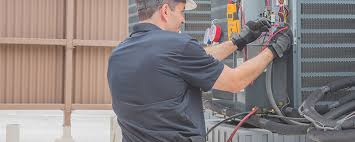
Quick Guide to Emergency HVAC Services
When your HVAC system fails, it’s easy to panic. Knowing what to do next can save you time, money, and a lot of stress.
This guide will help you understand when to call for emergency HVAC services and what to expect from a professional technician.
Read on!
Know the Risks of Ignoring HVAC Issues
Ignoring HVAC problems can exacerbate the situation, leading to more extensive and expensive repairs. For instance, a minor refrigerant leak can eventually damage the compressor, one of the most costly parts to replace.
Additionally, a malfunctioning furnace can pose serious risks, including carbon monoxide leaks. It’s important to address any HVAC issues promptly to ensure your safety and prevent further damage to your system.
Know the Health Implications of a Faulty HVAC System
A broken HVAC system can lead to poor indoor air quality, which can aggravate allergies and respiratory conditions. In extreme temperatures, the lack of heating or cooling can pose health risks, especially for vulnerable individuals such as the elderly or young children.
It’s crucial to address any HVAC issues promptly to maintain a healthy and comfortable environment in your home. If you have the contact of your AC installation services and maintenance handy, they can help you diagnose and fix any issues before they become major problems. From HVAC troubleshooting to regular maintenance, a professional technician can ensure your system is running efficiently and effectively, benefiting both your health and wallet.
Know the Signs You Need Emergency HVAC Services
It’s always better to be safe than sorry when it comes to your HVAC system. If you experience any of the following signs, it’s important to call for same-day AC repair services immediately:
- complete loss of heating or cooling
- strange noises coming from your HVAC unit
- strong and unusual odors
- visible damage or leaks in the system
- inconsistent temperatures
Addressing these issues promptly can prevent further damage and ensure your comfort and safety. This is especially important during extreme weather conditions when a malfunctioning HVAC system can have serious consequences.
Know What to Expect from Emergency HVAC Services
When you call for emergency HVAC services, a professional technician will respond promptly and assess the situation. They will diagnose the issue and provide immediate repairs if possible. If extensive repairs are needed, they will provide you with an estimate and discuss any necessary parts or replacements.
Emergency HVAC services may cost more than regular services due to the urgency of the situation. However, it’s important to prioritize your safety and comfort by addressing any issues as soon as they arise. This can save you from potentially more costly and extensive repairs in the long run.
Hiring Emergency HVAC Services is Important
It’s important to understand the risks and health implications of ignoring HVAC issues and to know when to call for emergency services. Promptly addressing any problems with your HVAC system can save you time, and money, and ensure your safety and comfort.
It’s also important to have a basic understanding of what to expect from emergency HVAC services. That way, you can make informed decisions during these situations.
If you want to read more, visit our blog houseyzone page. We do have more topics!
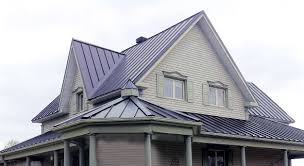
Breaking Down the Different Types of Asphalt Shingle Roof Coating: Which One Is Right for You?
Is your roof ready for a makeover but you’re unsure where to start? Welcome to our comprehensive guide on the different types of asphalt shingle roof coating.
We’ll break down each type of coating, detailing its benefits, to help you make an informed decision. Whether you’re looking to enhance durability, improve weather resistance, or simply extend the life of your roof, we’ve got you covered.
Read on!
Silicone Coatings
Silicone coatings are another popular option for asphalt shingle roof coating. They are made from a combination of silicone and other additives. This makes them highly durable and weather-resistant. Take note that weather resistance is especially important if you live in an area prone to extreme weather conditions.
The main advantage of silicone coatings is their ability to form a seamless membrane over your roof. This provides excellent protection against leaks and water damage. This makes them a great choice for areas with heavy rainfall or snow.
Furthermore, silicone coatings have superior UV resistance and can withstand extreme temperature changes without cracking or peeling. They also have a long lifespan, often lasting up to 20 years with proper maintenance.
Polyurethane Coatings
Polyurethane coatings are a bit more expensive than acrylic and silicone coatings, but they offer superior protection and durability. They are made from a combination of:
- polyurethane resins
- fillers
- additives
All these can help create a strong and flexible protective layer on your roof. One of the main benefits of polyurethane coatings is their ability to withstand foot traffic.
This makes them an ideal choice for roofs that may require regular maintenance or inspections. These coatings also have excellent adhesion properties, ensuring they stay in place even during severe weather events.
Moreover, polyurethane coatings have high resistance to chemicals and pollutants, making them a suitable option for industrial or heavily polluted areas. If you ask a residential roofing contractor, they will likely recommend this type of coating for its long lifespan and low maintenance requirements.
Asphalt Emulsion Coatings
Asphalt emulsion coatings are the most affordable option for asphalt shingle roof coating. They are made from a mixture of asphalt, fillers, and water to form a protective layer on your roof.
While not as durable as other types of coatings, asphalt emulsion coatings can still provide decent protection against weather and UV rays. They also have good adhesion properties and can be applied easily with a roller or sprayer.
One drawback of these coatings is that they may require more frequent touch-ups or reapplications compared to other types due to their lower lifespan. Among the coating options, asphalt emulsion coatings are also the easiest to remove and replace.
Discover the Different Types of Asphalt Shingle Roof Coating
There are various types of asphalt shingle roof coating available. Each of them comes with its unique benefits and purposes. Whether you want to improve durability, and weather resistance, or extend the life of your roof, there is a suitable option for you.
With the right coating, you can protect your roof from harsh weather conditions and increase its lifespan while also enhancing the overall look of your home.
If you want to read more, visit our blog houseyzone page. We do have more!
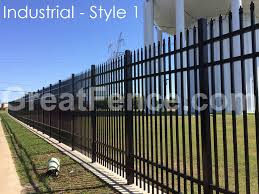
How to Install Aluminum Fence Panels: A Step-by-Step Guide
Are you planning a home improvement project? Consider installing aluminum fence panels. They are durable, stylish, and easy to maintain.
An aluminum fence enhances your home’s security and appeal. But where do you start with installation? Don’t worry; we’ve got you covered. This step-by-step guide will walk you through the process. Even if you’re new to DIY, you can do it.
Follow each step, and you’ll have your fence up in no time. Let’s dive in and make your home improvement project a success with aluminum fence panels!
Plan and Measure Your Fence Line
Before you begin, it’s essential to plan and measure your fence line. Decide where you want to install the fence and mark the boundaries. Measure the total length to determine how many panels and posts you’ll need.
Check with your local building codes and homeowner’s association to ensure you are within the guidelines for fence height and material. It’s always best to get approval before starting any project.
Gather Materials and Tools
Gather all the materials and tools needed for installation. Here is a list of items you’ll need:
- aluminum fence panels
- fence posts
- post caps and hardware
- concrete mix
- gravel or crushed stone
- level, measuring tape, and string line for accuracy
- digging tools such as shovels and post-hole diggers
- safety gear including gloves, safety glasses, and ear protection
Make sure to buy extra materials in case of any mistakes or miscalculations. It’s better to have too much than not enough.
Set the Posts
Setting the posts will provide stability and support for your fence. Using your string line and measuring tape, mark the location for each post according to your plan. Use a post-hole digger or shovel to create holes at least one-third of the length of your fence posts.
Once the holes are dug, place a few inches of gravel or crushed stone in the bottom for drainage. Then, insert the posts and use a level to ensure they are plumb.
If needed, add more gravel or crushed stone around the base of the posts before pouring concrete mix into the holes. Allow the concrete to set for 24-48 hours before moving on to the next step.
Install the Panels
Start by attaching any necessary hardware, such as brackets or screws, to the panels and posts. Then, lift the panel into place between two posts and secure it using the hardware.
Make sure the panel is level before moving on to the next one. Repeat this process for each panel until your fence is complete. For more tips and professional fencing services, visit https://www.chesterfieldfencingandmore.com. Explore their expert advice and quality products to enhance your installation.
Complete the Project
Once all your panels are installed, add post caps for a finished look. You can also paint or stain your fence for protection and aesthetic appeal.
Learn How to Install Aluminum Fence Panels
Installing aluminum fence panels enhances your home’s security and aesthetic appeal. This guide simplifies the fence installation process for everyone. Follow each step carefully, from planning to completion.
Completing your fence installation brings great satisfaction. Enjoy your durable and stylish aluminum fence for years.
Did you find this article houseyzone helpful? If so, check out the rest of our site for more informative content.
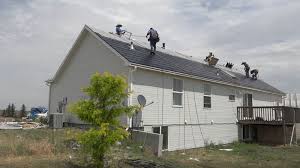
How to Choose the Right Material for Your Roof Siding
Choosing the right material for your roof siding is important. It impacts your home’s durability and appearance. But where do you start?
There are many options available, and the choices can be confusing. Should you go with wood, metal, or vinyl? Each material has its pros and cons.
This blog will guide you through the selection process. We will discuss various materials and their benefits. What makes a material right for your needs?
Let our roofing service help you decide. Read on to learn more about the best choices for your roof siding.
Understand Your Options for Roof Siding Materials
Let’s talk about the different materials you can choose from for your roof siding. These include:
Wood
Wood has been a popular choice for centuries. It is known for its timeless appeal and natural beauty. It adds warmth and character to any home.
Yet, wood requires regular maintenance and is susceptible to rotting, warping, and insect infestations. It also poses a fire hazard if not properly treated.
Metal
Metal roofing is gaining popularity due to its durability and energy efficiency. It is available in various types, such as aluminum, steel, copper, and zinc.
Metal siding can withstand strong winds, heavy rain, and extreme temperatures. It is also fire-resistant and requires minimal maintenance.
Vinyl
Vinyl siding is a low-cost option that offers excellent value for money. It is durable, water-resistant, and easy to maintain.
It comes in various colors and textures, allowing you to customize the look of your home. Yet, vinyl may crack or fade over time.
Factors to Consider When Choosing Your Roof Siding Material
Let’s discuss what factors should influence your decision. These include:
Climate
Consider the weather conditions in your area. Does it rain frequently?
Is your region prone to strong winds or extreme temperatures? Choose a material that can withstand these conditions.
Durability
How long do you want your roof siding to last? Some materials, like metal, have a longer lifespan than others.
Maintenance
Are you willing to put in the time and effort for regular maintenance? Wood requires more upkeep compared to vinyl or metal.
Aesthetics
Your home’s curb appeal is important. Choose a material that complements your home’s style and architecture.
Consult With Professionals
Choosing the right material for your roof siding can be overwhelming. That’s why it’s important to consult with professionals who have experience and expertise in the field.
A reliable roofing service can help you weigh your options and make an informed decision based on your needs and budget. They can also guide the proper installation and maintenance of your chosen material.
With Georgia Home Roofing, you can be assured of high-quality service and expert advice. It is to ensure your roof remains durable and efficient for years.
Discover How to Choose the Right Material for Roof Siding
Choosing the right roof siding is crucial for your home’s longevity. Evaluate materials based on durability, maintenance, and aesthetics. Consider your local climate when making decisions.
Roof contractors can offer valuable insights and professional advice. With expert help, you’ll find the perfect roof siding material. Consult professionals to ensure proper installation and care.
Quality roof siding enhances your home’s appearance and durability. Make informed choices for a lasting, beautiful roof.
Did you find this article helpful? If so, check out the rest of our site houseyzone for more informative content.
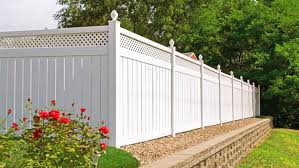
The Surprising Benefits of Dark Colored Vinyl Fencing for Your Home
Are you considering upgrading your property’s perimeter? Look no further than colored vinyl fencing.
This trending option not only enhances curb appeal but also offers practical benefits. Dark vinyl fencing requires less maintenance than traditional wood. It’s resistant to sun fading, ensuring longevity.
Additionally, it provides superior privacy and robustness. The rich hues beautifully complement lush garden landscapes.
Discover why low-maintenance colored vinyl fencing is the smart choice for modern homeowners. Keep on reading!
Enhanced Aesthetic Appeal
Dark-colored vinyl fencing makes any property look elegant and sophisticated. Colors like black, dark brown, or charcoal match well with different styles, from modern to traditional. Unlike white or light colors, dark fencing stands out against green gardens and colorful plants, making your home more noticeable.
Low Maintenance
One of the top benefits of dark-colored fade-resistant vinyl fencing is its minimal maintenance requirements. Unlike wooden fences that need regular staining or painting, vinyl fences keep their color and look new for years with very little effort.
You usually just need to wash them with soap and water to keep them clean. This saves you time and money in the long run.
Durability and Longevity
Vinyl fencing is very strong and tough. Dark-colored vinyl fences are also made to handle bad weather like heavy rain, strong winds, and hot sunlight. They do not bend, crack, or rot, so they last a long time.
UV Resistance
Dark-colored vinyl fencing is made to resist UV rays from the sun. This means the color won’t fade, and your fence will look good for years. Also, the UV protection keeps the vinyl strong and prevents it from breaking down in the sun.
Environmentally Friendly
Choosing vinyl fencing is good for the environment. It’s made from safe materials and doesn’t release harmful chemicals.
You can also recycle vinyl fences with dark colors, which helps keep our planet healthy. Unlike wood, vinyl fences don’t need chemical treatments, so they are better for the environment over time.
Versatility in Design
Dark-colored vinyl fencing offers versatility in design, allowing homeowners to customize their fences to suit their preferences. Whether you prefer a sleek, modern look or a more ornate, classical design, vinyl fencing can be tailored to meet your needs.
Moreover, these fences come in various styles, heights, and textures, giving you the flexibility to create a unique and personalized barrier for your home. This adaptability ensures that you can achieve the perfect balance between functionality and aesthetics.
Increase in Property Value
Choosing dark-colored vinyl fencing can make your property look nicer and be worth more. It’s strong, easy to take care of, and looks good, which can attract buyers.
In a tough real estate market, having a good-looking fence might help you sell your property faster. To learn more about this and other ways to increase property value, consider consulting with real estate experts.
Why Colored Vinyl Fencing is the Perfect Choice
Colored vinyl fencing is a great thing for any homeowner to buy. It looks nice and makes your home look better from the street.
You’ll save time and money because it won’t need much upkeep. The fence will last a long time and look great because it is durable and resistant to UV light.
Living in a way that doesn’t harm the environment is also in line with sustainable living. There are many great things about colored vinyl fencing that make it the best choice for modern homeowners.
Did you like this guide? Great! Please browse our website houseyzone for more!

11 Creative Ways to Incorporate Art Wall Decor in Your Home
Art wall decor can transform any room in your home. It adds personality, color, and style. If you’re looking for new ideas on how to display art, here are 11 creative ways to incorporate it into your home decor.
1. Create a Gallery Wall
A gallery wall is a collection of art pieces grouped together. It’s a great way to fill a large, empty wall. Mix and match different frames and sizes for a unique look. Arrange them in a grid pattern or randomly.
2. Use Floating Shelves
Floating shelves are a modern way to display home decor art. You can easily swap pieces in and out. This setup makes it easy to change your decor with the seasons. Plus, you can add small decorative items on the shelves for added interest.
3. Go Big with One Statement Piece
Sometimes, less is more. A large, statement piece of art can be very impactful. Choose a piece with bold colors or an interesting design. Place it above a sofa, bed, or fireplace for a focal point.
4. Mix Art with Mirrors
Mirrors can enhance art by reflecting light and making the space feel bigger. Try placing a mirror next to or between art pieces. This combination adds depth and interest to the wall.
5. Frame Your TV
Make your TV part of your art display. Many modern TVs are designed to look like picture frames. Surround it with framed art pieces. This makes the TV blend into your decor, rather than standing out.
6. Lean Art Against the Wall
You don’t always have to hang art. Leaning pieces against the wall creates a casual, relaxed vibe. This works well on a mantel, console table, or even on the floor.
7. Use Art as a Headboard
Turn your bed into a statement piece by using art as a headboard. Hang a large piece or a series of smaller pieces above the bed. This adds drama and interest to your bedroom.
8. Decorate with Art in Unexpected Places
Think beyond the living room and bedroom. Add art to your kitchen, bathroom, or hallway. These spaces often get overlooked but can benefit from a touch of creativity.
9. Create a Theme
Choose a theme for your art display. It could be a color scheme, a style, or a subject matter. This makes the collection feel cohesive. For example, a series of botanical prints can create a calming, nature-inspired look.
10. Mix Different Art Mediums
Don’t limit yourself to just paintings. Mix in photographs, prints, textiles, and sculptures. This adds texture and dimension to your wall decor. Combining different mediums can make the display more interesting.
11. Rotate Your Art
Keep your decor fresh by rotating your wall decorations. Change pieces seasonally or whenever you feel like a change. This keeps your space feeling new and exciting. Plus, it gives you a chance to showcase different pieces over time. If you’re looking for some exciting pieces, ready to shop art and decor here.
Elevate Your Home Using Art Wall Decor
Art wall decor is a wonderful way to express your personal style. By using these 11 creative ideas, you can make your home look unique and inviting. Whether you choose a gallery wall, a statement piece, or a mix of different styles, your home will feel more like you. Happy decorating!
Are you interested in more topics aside from wall art design? If so, check out the rest of our blog houseyzone!
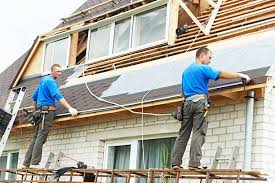
How to Choose the Right Contractor for Your Roofing Restoration Project
Choosing the right contractor for your roofing restoration project is crucial. A good contractor ensures your roof is durable, aesthetically pleasing, and built to last.
This post will walk you through the essential steps in selecting the best contractor for the job. Keep on reading to learn more about the contractor selection process.
Research and Recommendations
Start by asking friends, family, and neighbors for recommendations. Word of mouth is a powerful tool. You can also search online. Look for contractors with high ratings and positive reviews. Check their websites to see past projects and read testimonials. This gives you a sense of their work quality and customer satisfaction.
Verify Credentials
Ensure the contractor is licensed and insured. A license shows they meet local requirements and standards. Insurance protects you from liability in case of accidents. Ask to see their license and insurance certificates. Verify these documents with the issuing authorities to be certain everything is up to date.
Check Experience and Expertise
Experience matters in roofing restoration. You want a contractor who has been in the business for several years. They should have extensive experience with the specific type of roofing material you plan to use. Ask about their expertise in handling similar projects. This ensures they have the skills and knowledge required.
Get Multiple Quotes
Contact at least three contractors and get written estimates. Compare the quotes carefully. Look at what each quote includes, such as materials, labor, and any additional costs. The lowest bid is not always the best. A higher price might mean better quality materials and workmanship. Balance cost with value.
Review Contract Details
Before signing, read the contract thoroughly. Ensure it includes all details, such as the scope of work, timeline, payment schedule, and warranty. The contract should also cover how changes and disputes will be handled. If anything is unclear, ask for clarification. Never sign a contract with blank spaces or vague terms.
Ask About Warranties
A good contractor offers warranties on both materials and workmanship. These warranties protect you in case of defects or issues after the project is completed. Ask for details about the length and coverage of the warranties. Get these details in writing.
Check References
Ask the contractor for references from past clients. Contact these references and ask about their experiences. Were they satisfied with the work? Was the project completed on time and within budget? Did the contractor address any issues promptly?
Satisfied clients are a good indicator of reliable service. If you’re looking for a good recommendation, check out experts like The Roof Doctor.
Assess Communication and Professionalism
Pay attention to how the contractor communicates. Are they prompt, courteous, and professional? Good communication is key to a smooth project. The contractor should be willing to answer your questions and keep you updated throughout the process.
Working with Experts in Roofing Restoration
Choosing the right contractor for your roofing restoration project involves careful research and consideration. By following these steps, you can ensure that you select a skilled, reliable, and trustworthy contractor. This will lead to a successful roofing restoration that meets your expectations and needs.
Ready to start your project? Take the first step today by applying these tips and finding the perfect contractor for your roofing needs.
Stay in touch to get more updates & news on houseyzone!
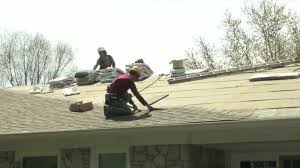
The Importance of Regular Roof Service: Benefits and Costs
When it comes to maintaining a home, the roof is often overlooked until there’s a problem. Many homeowners only think about their roofs when there’s a leak or damage that needs immediate attention. However, regular roof service is an important aspect of home maintenance that should not be neglected.
Let’s explore why regular roof service is essential and how it can benefit homeowners in the long run.
Benefits of Regular Roof Service
Roof service includes regular inspections, cleaning, and repairs as needed. Here are some of the benefits of keeping up with regular roof service:
Prolongs the Life of Your Roof
Regular roof service helps extend your roof’s life. Like any part of your home, your roof needs routine care to last longer. By checking and fixing issues early, you can stop small problems from becoming big, costly ones later.
Saves Money in the Long Run
Regular roof service saves you money in the long run. Fix small problems early to avoid costly major repairs or full replacement. Keeping your roof in good shape also prevents damage to other parts of your home.
Improves Energy Efficiency
A well-kept roof helps with energy in your home. If your roof is damaged, air can escape, making your heating and cooling work harder.
This uses more energy. Keeping your roof in good shape can help with temperature and save on energy costs.
Maintains Curb Appeal
Your roof is one of the first things people notice about your home. Regular roof service not only ensures that your roof remains functional and intact but also helps maintain its aesthetic appeal.
A clean, well-maintained roof can enhance the overall appearance of your home and increase curb appeal. If you’re looking to hire roofing contractors and experience these benefits learn more here.
Costs of Regular Roof Service
The costs of regular roof service can vary depending on factors such as the size and type of your roof, accessibility, and the extent of maintenance needed. Typically, it involves:
Inspections
A professional roof inspection can cost anywhere from $150 to $500, depending on the size and complexity of your roof. This is a critical step in identifying any potential issues early on and determining the necessary maintenance or repairs.
Cleaning
Roof cleaning can range from $200 to $800, depending on the size of your roof and the type of cleaning method used. Regular cleaning helps prevent algae and moss growth, which can cause damage to your roof over time.
Repairs
The cost of repairs will depend on the extent of damage and materials needed. For minor repairs, expect to pay around $100 to $500, while major repairs can cost upwards of $1,000.
Replacement
The overall costs of roof replacement will vary depending on the size and type of roof, as well as the materials used. On average, a full roof replacement can cost anywhere from $5,000 to $20,000.
Invest in Regular Roof Service Now!
Regular roof service is an essential part of home maintenance that offers many benefits. By investing in routine inspections, cleaning, and addressing any necessary repairs early on, you can prolong the life of your roof and potentially save money in the long run. While there are costs associated with residential roofing service, it is a worthwhile investment to protect one of the most important parts of your home.
Is this article helpful? Keep reading our blog houseyzone for more.
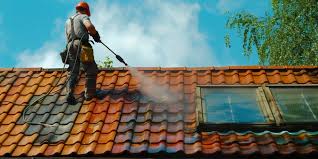
Maximizing Your Home’s Curb Appeal: The Role of Roof Pressure Cleaning
In today’s competitive housing market, first impressions are everything. Whether you’re planning to sell your home or simply want to enhance its appearance, maximizing curb appeal is essential. When we think of curb appeal, aspects like landscaping, paint, and the front door often come to mind. However, one crucial element frequently overlooked is the roof.
Read on to learn how roof pressure cleaning can help.
Enhances Curb Appeal
A clean roof can significantly boost the overall appearance of your home. By removing unsightly stains and restoring your roof to its original state, pressure cleaning makes your property look well-maintained and attractive to potential buyers.
Exterior home cleaning can help increase home value and make your property stand out in a sea of listings.
Prevents Damage
Algae, moss, and other types of debris that accumulate on roofs can cause damage over time. By regular pressure cleaning your roof, you not only improve its appearance but also prevent potential damage.
Algae and moss can trap moisture and lead to wood rot and shingle deterioration. Cleaning roof tiles and shingles can also prevent the growth of mold and mildew, which can cause health issues for you and your family.
Saves Money
Roof pressure cleaning is a cost-effective way to maintain your roof and save money in the long run. By removing buildup and preventing damage, you can avoid costly repairs or even a full roof replacement. A clean roof also allows for better ventilation, which can lower energy costs by reducing the workload on your HVAC system.
Be sure to check pressure washing lakeland found here. They have years of experience in roof cleaning and use specialized equipment and techniques to ensure a thorough and safe cleaning.
Eco-Friendly Option
Pressure washing is an environmentally friendly option for cleaning your roof. The use of high-pressure water removes dirt, stains, and contaminants without the need for harsh chemicals that can harm the environment.
Also, pressure cleaning helps stop harmful organisms from growing. This promotes a healthier ecosystem in and around your home. This makes it a more sustainable and responsible choice for maintaining your property.
Increases Roof Longevity
Regular roof pressure cleaning not only enhances appearance but also extends the lifespan of your roofing materials. By systematically removing debris, organic growth, and build-up, you reduce the chances of long-term wear and tear.
Taking this proactive measure ensures your roof stays in top condition. It endures various weather while keeping its structure.
Improves Safety
A well-maintained roof is crucial for the overall safety of your home. Over time, algae, moss, and other debris build up. They make the roof slippery and hazardous. This is especially true if you need to do any maintenance or inspections.
Pressure cleaning eliminates these risks, providing a safer environment for anyone who might need to work on the roof. Also, a clean roof reduces the strain from heavy debris.
Enhances Air Quality
Mold, mildew, and algae not only damage your roof but can also affect the air quality inside your home. These organisms can release spores into the air, leading to respiratory issues and allergies. Pressure cleaning removes these contaminants, improving air quality and creating a healthier living environment for you and your family.
Investing in Roof Pressure Cleaning
Roof pressure cleaning is an essential aspect of maintaining your property’s overall appearance, safety, and longevity. Consider investing in regular roof pressure cleaning to reap these benefits and keep your home looking its best. Keep your roof looking clean and well-maintained with periodic pressure washing, and enjoy all the benefits it has to offer!
Visit our website houseyzone and read more.
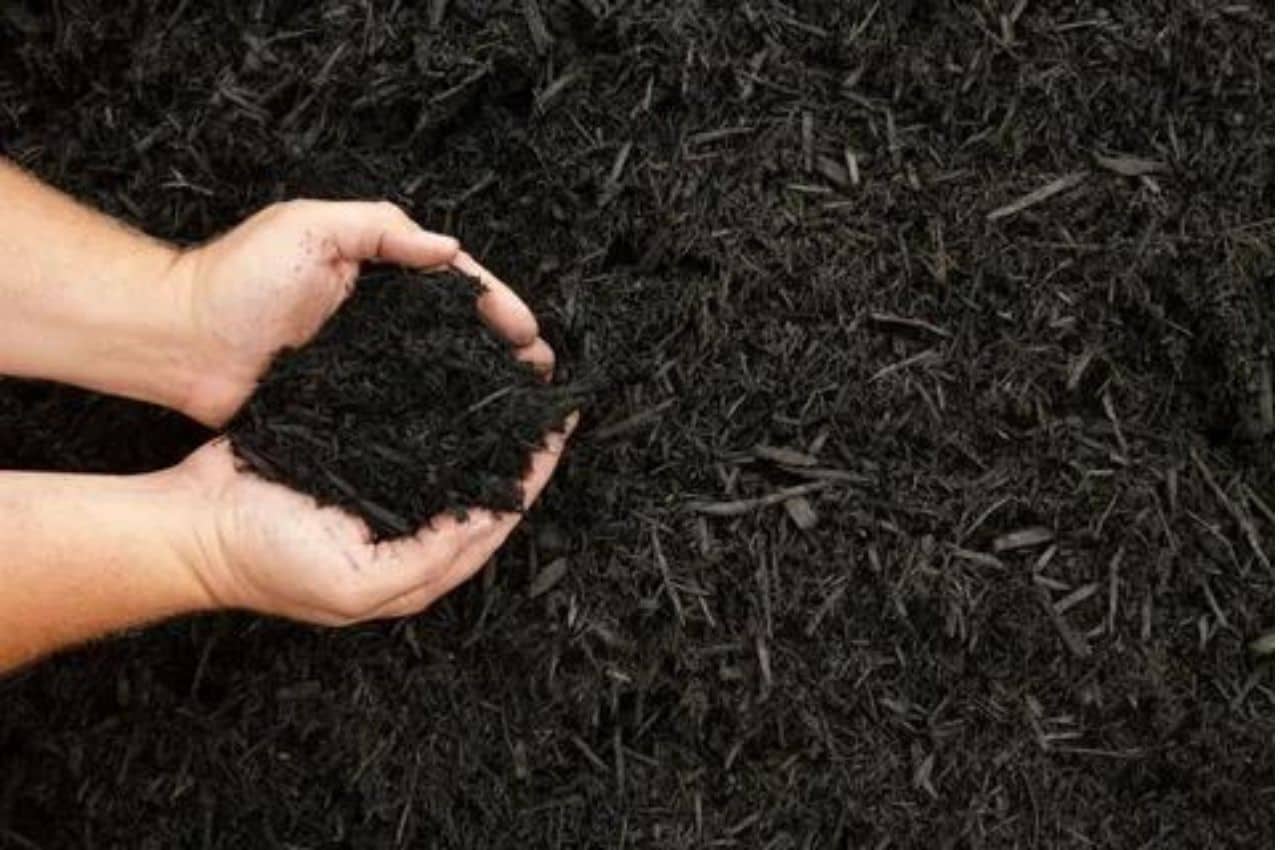
9 Types of Mulch and How To Use Them Effectively
Mulching materials can help improve plants’ growth in your lawn by regulating soil temperatures. A good landscaping mulch should cover your yard soil to prevent erosion and weed growth. Here are nine types of mulch that landscapers can use for your garden:
Grass
Landscapers apply clippings of compost grass on lawns to promote better soil moisture conservation. The decomposition of this mulching material adds more natural nutrients to gardens. This may minimize the use of non-organic fertilizers and save on related expenses.
Sawdust
Sawdust mulch can help save you money, as it is affordable. This landscaping material is also easy to apply because of its lightweight nature. Sawdust mulch is acidic and can help neutralize your yard soil’s pH levels.
Rubber Mulch
Rubber mulching materials provide value for money, as they are affordable and durable. They are ideal for business properties, as they can withstand high foot traffic. Lawn care professionals apply recycled rubber mulches because they are eco-friendly and convenient to maintain.
Crushed Stones
The varying gravel colors can help make your home’s flower bed look more attractive. Pebbles are quite heavy and not easily washed away during rainy seasons. Layers created by stone chippings help mitigate the spread of weeds and pests. Crushed stones eliminate the need for frequent re-mulching, as they last long. They also create air spaces that promote better water drainage. Apply this mulch in the spring or fall to protect your lawn from mold.
Wood Chips
Wood chip mulching materials are versatile because of their varying textures and sizes. They are ideal for flower beds because they decompose quickly and retain soil moisture. Add this mulching material around your yard’s trees for an organic nutrient supply.
Leaves
Landscape cleanup experts shred fallen leaves before using them to cover lawn soil. This makes the mulching process more convenient because you may be able to get the leaves from trees in your yard. Apply leaf mulch on your garden bed to attract beneficial soil organisms and prevent plant root diseases.
Garden Compost
Garden compost is an organic mulch that helps improve the structure of lawn soils. This mulching material absorbs rainwater effectively and facilitates soil processes like microbial activity. Abnormal lawn plant coloration or leaf yellowing may signify the need for compost mulching.
Seashells
Crushed landscaping seashells may improve the style and aesthetics of your home’s yard. Seashell mulches contain calcium to promote soil structure stability and better plant growth in the spring. These mulches suit homes in dry areas, as they are susceptible to moss growth.
Plastic Mulch
Plastic is a suitable mulching material because it helps insulate lawn soils. This mulch is also flexible since it is replaceable and accommodates drip irrigation methods. Plastic mulch helps improve lawn plant quality by protecting seedlings from UV rays. Use polyethylene plastic for your garden, as it is more affordable, rigid, and durable.
Contact Landscapers Today
Professional landscapers know the best mulch materials to improve your lawn’s health and appeal. Hiring their services contributes to faster and more cost-effective mulching processes. Contact a reputable lawn care expert today for help.