


The Power of Video&A: How Visual Storytelling Transforms Communication
Video&A is more than just visuals and sound it’s a form of storytelling that brings ideas, brands, and conversations to life. In today’s fast-moving digital world, people crave engaging content, and video delivers it in the most powerful way possible.
What Does “Video & A” Mean?
Definition and Context
At its core, Video&A refers to the combination of video and audio two elements that work hand in hand to create immersive experiences. It’s not just about watching but also about feeling and hearing.
Why It Matters Today
In an era where people scroll endlessly through feeds, video captures attention faster than text or images alone. Adding audio enriches the message and keeps audiences hooked.
The Evolution of Video Content
From Television to Social Media
Remember when TV ads ruled the world? Fast-forward to now, social platforms like YouTube, Instagram, and TikTok have redefined video consumption.
The Rise of Short-form Video
People want quick, digestible content. That’s why TikTok clips, Instagram Reels, and YouTube Shorts dominate the digital stage.
Why Video Has Become a Game-Changer
Human Attention Span
Studies show our attention span is shrinking, and video caters to this reality with instant, engaging visuals.
Emotional Connection
A simple smile, background music, or tone of voice can trigger emotions that text alone cannot.
Understanding the “A” in Video & A
Audio as a Complement
Sound effects, background scores, and voiceovers add depth to visuals, making content feel complete.
Accessibility and Subtitles
Not everyone listens with sound on. Subtitles make videos accessible and improve retention.
The Psychology Behind Video Content
Visual Learning Preference
Most people are visual learners. Videos explain concepts better than text-heavy guides.
How Emotions Drive Decisions
Emotions are powerful decision drivers. That’s why heartfelt brand stories resonate more than plain ads.
Video & A in Digital Marketing
Brand Awareness
Videos boost visibility, helping brands connect with audiences on a personal level.
Product Demonstrations
Seeing is believing videos show exactly how a product works.
Customer Testimonials
Nothing builds trust like a real customer sharing their experience.
Video & A for Education and Training
E-Learning Platforms
From YouTube tutorials to Coursera lectures, video makes learning accessible and engaging.
Corporate Training Modules
Businesses rely on video for onboarding and skill development, saving time and resources.
The Role of Video in Social Media Engagement
TikTok, Reels, and Shorts
Short, punchy clips are the kings of social media engagement.
User-Generated Content
Brands often leverage user-created videos to boost authenticity and trust.
SEO Benefits of Video & A
Ranking Factors
Google loves video. Pages with video tend to rank higher in search results.
Video Transcripts for Optimization
Adding transcripts improves SEO and makes content more accessible.
Tools for Creating Effective Video & A Content
Free and Paid Platforms
Tools like Canva, Adobe Premiere Pro, and CapCut make video creation simple.
Editing Essentials
Good lighting, crisp sound, and smooth transitions make all the difference.
Best Practices for Video & A Production
Storytelling Techniques
A great story keeps viewers glued. Structure your video with a clear beginning, middle, and end.
Lighting, Sound, and Editing
Never underestimate the basics poor audio or lighting can ruin even the best story.
Challenges in Video & A Strategy
Time and Budget Constraints
Quality video requires investment, which can be a hurdle for small businesses.
Oversaturation of Content
With so much video online, standing out is harder than ever.
Future of Video & A
AI Integration
AI tools now generate scripts, edit clips, and even create avatars.
Interactive Video Experiences
Imagine choosing your own adventure in a video that’s where things are heading.
FAQs About video&a
What does Video & A mean?
It refers to the integration of video and audio to create engaging, immersive content.
Why is video content so effective?
Because it combines visuals and sound, capturing attention and evoking emotions more effectively than text.
How does video help with SEO?
Videos increase dwell time, engagement, and can be optimized with transcripts, boosting search rankings.
What tools can I use to create videos?
Popular tools include Canva, CapCut, Adobe Premiere Pro, and iMovie.
What’s the future of video content?
AI-generated and interactive videos are expected to dominate the next wave of content creation.
Conclusion
Video&A is not just a trend; it’s the future of communication. From marketing to education, it’s shaping the way we consume, learn, and connect. Whether you’re a business owner, student, or casual content creator, embracing video & A gives you a powerful advantage.

Sage Colors: A Timeless Hue for Style, Decor, and Inspiration
Soft, calming, and endlessly versatile sage colors have quickly become a go-to choice for anyone seeking balance and serenity in their surroundings. Whether you’re sprucing up your living space, choosing wedding palettes, or simply refreshing your wardrobe, sage brings a sense of grounded elegance. But what makes this subtle shade so loved? Let’s dive in.
What Exactly is Sage Color?
Sage is a muted green with a touch of gray, resembling the leaves of the sage herb. Unlike bold emerald or neon greens, sage feels softer, more understated, and naturally soothing. Its gray undertones give it a modern edge, making it perfect for both classic and contemporary settings.
The Psychology Behind Sage
Colors influence our mood more than we realize, and sage is no exception.
Connection to Nature
Sage mirrors the gentle hues of plants and landscapes, instantly linking us back to nature. That connection makes it a favorite for those who crave peace at home.
Effects on Mood and Relaxation
This color has a calming effect, often associated with tranquility, mindfulness, and stability. If bright colors energize you, sage does the opposite it grounds you.
Different Shades of Sage
Like any versatile hue, sage comes in multiple variations:
- Light Sage: Airy, fresh, and great for bright spaces.
- Muted Sage: Ideal for minimalists who love understated elegance.
- Dark Sage: Adds depth and drama while staying soothing.
- Sage Gray: A sophisticated blend that works well with modern interiors.
Sage in Interior Design
Designers adore sage because it blends seamlessly into any room.
Walls and Accent Colors
Painting entire walls in sage creates a cozy, welcoming vibe without overwhelming the space.
Furniture and Upholstery
A sage sofa or armchair instantly becomes a statement piece, balancing style and comfort.
Decorative Accessories
Think throw pillows, curtains, or rugs small touches of sage can transform a space.
Pairing Sage with Other Colors
Sage plays well with almost every color, making it incredibly versatile.
- Sage and White: Crisp and refreshing.
- Sage and Beige: Earthy and grounding.
- Sage and Blush Pink: Soft and romantic.
- Sage and Navy: Bold yet balanced.
- Sage with Metallics (Gold/Brass): Adds luxury and warmth.
Sage Colors in Fashion
Sage isn’t just for walls it’s trending in fashion too.
Everyday Outfits
Sage t-shirts, skirts, or pants bring casual elegance.
Seasonal Trends
It shines in spring and summer collections but looks equally chic layered with cozy neutrals in winter.
Accessories in Sage Tones
From handbags to scarves, sage adds sophistication without being too flashy.
Why Sage is Popular in Weddings
Weddings often embrace sage for its romantic yet neutral vibe.
Bridesmaid Dresses
Flattering across skin tones, sage dresses are elegant and timeless.
Wedding Décor
Table linens, centerpieces, and signage look soft yet chic in sage hues.
Floral Arrangements
Bouquets featuring eucalyptus, sage leaves, and white roses feel fresh and organic.
Sage in Branding and Marketing
Brands focused on simplicity and eco-consciousness frequently turn to sage tones. They symbolize growth, calmness, and sustainability perfect for natural skincare, wellness products, or minimalist design brands.
Sage in Art and Creativity
Sage inspires creativity across mediums. In painting and digital art, it works as a versatile background or highlight. In crafts, sage tones add depth without overpowering brighter accents.
Sage Colors and Home Themes
Sage adapts beautifully to different home styles:
- Modern Minimalist: Clean lines and neutral tones.
- Rustic Farmhouse: Warm woods paired with sage.
- Coastal Themes: Soft greens blending with sandy beige and ocean blues.
How to Use Sage in Small Spaces
Don’t underestimate sage in compact areas.
- Hallways: Sage walls brighten tight spaces.
- Bathrooms: Sage tiles create a spa-like feel.
- Kitchens: Cabinetry in sage balances modern and traditional designs.
Sage and Seasonal Use
Sage works all year round.
- Spring: Fresh and light with florals.
- Fall/Winter: Rich and cozy when layered with deeper tones like burgundy or charcoal.
Tips for Decorating with Sage
- Mixing Textures: Combine sage velvet cushions with linen curtains for visual interest.
- Layering Tones: Use multiple shades of sage for a harmonious, dimensional look.
FAQs About sage colors
Is sage a warm or cool color?
Sage is generally considered a cool color due to its gray undertones, but it pairs beautifully with both warm and cool palettes.
Can sage be used as a neutral color?
Yes! Sage is often treated as a modern neutral because of its muted, versatile nature.
What colors look best with sage?
White, beige, blush, navy, and gold are all perfect complements.
Is sage suitable for small rooms?
Absolutely. Its soft tone opens up small spaces and creates a calming atmosphere.
Is sage trending right now?
Yes, sage continues to be a popular choice in fashion, weddings, and interior design because of its timeless appeal.
Conclusion
Sage isn’t just a passing trend it’s timeless. Its adaptability, calming energy, and versatility across fashion, design, and art make it a shade worth embracing. Whether you’re redecorating a room, planning a wedding, or refreshing your wardrobe, sage brings a touch of understated elegance that always feels right.
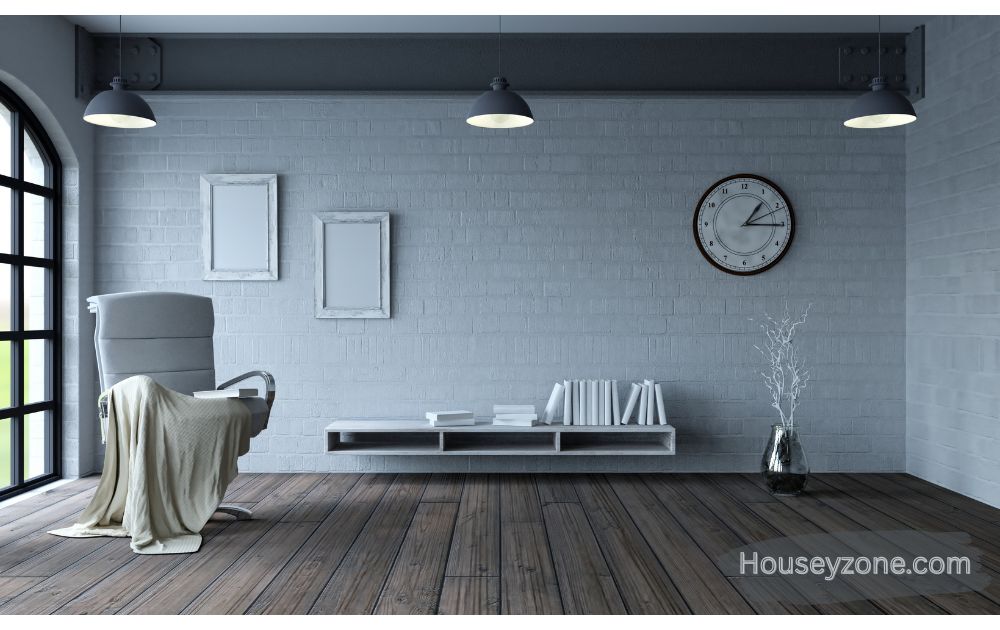
BM Smoke: Meaning, Uses, Safety, and Cultural Significance
Have you ever come across the term BM smoke and wondered what it really means? It’s a phrase that sparks curiosity, often associated with mystery, creativity, and sometimes confusion. In this article, we’ll explore the meaning, uses, cultural value, and future of BM smoke in detail.
What is BM Smoke?
The Basic Meaning
BM smoke can refer to a type of dense, atmospheric smoke commonly used for special effects, rituals, or industrial purposes. While the definition can vary depending on context, it generally represents a visually striking form of smoke with unique qualities.
Why People Search for BM Smoke
People often look up BM smoke out of curiosity, either for artistic projects, personal experiences, or safety concerns. Whether you’re planning a photoshoot, studying its cultural background, or just trying to understand what it is, BM smoke has captured attention worldwide.
Origins and Background of BM Smoke
Historical Context
Smoke has been part of human life since the discovery of fire. From rituals in ancient civilizations to battlefield tactics, BM smoke can trace its symbolic and practical roles far back in history.
Popular Uses in Modern Times
Today, BM smoke is mostly linked with events, entertainment, and even wellness practices. It has shifted from survival and warfare into a tool for creativity and expression.
Types of BM Smoke
Natural Smoke Forms
This includes smoke from burning organic materials like wood, herbs, or incense. Natural BM smoke is often used in ceremonies or relaxation practices.
Artificial or Industrial BM Smoke
This type is generated using chemicals or machines for concerts, photography, movies, and tactical training. It’s controlled, consistent, and designed for specific purposes.
How BM Smoke is Produced
The Chemical Process
Artificial BM smoke is typically created using fog machines or smoke canisters that heat up a liquid (often glycol or glycerin-based) to produce thick clouds.
Common Raw Materials Used
Natural materials include resins, herbs, or wood. Industrial production may rely on mineral oils, propylene glycol, or dry ice.
BM Smoke in Different Industries
Entertainment Industry
From concerts to movie sets, BM smoke sets the mood. It creates drama, mystery, and intensity, enhancing storytelling.
Military and Tactical Usage
Historically, smoke was used for signaling or concealing movement. BM smoke continues to play a role in training exercises and simulations.
Health and Wellness Perspectives
Some forms of natural BM smoke, like incense, are believed to calm the mind and aid meditation. However, safety depends on the material burned.
Visual Effects of BM Smoke
Colors and Density
BM smoke isn’t always plain white or gray. With added chemicals, it can appear in vivid colors perfect for artistic projects and photography.
Impact on Atmosphere
A thick cloud of BM smoke can transform the entire mood of a space turning ordinary moments into something cinematic.
Is BM Smoke Safe?
Health Implications
Short exposure to artificial BM smoke is generally safe, but prolonged inhalation may cause irritation. Natural smoke may also release toxins depending on what’s burned.
Environmental Concerns
Some artificial smokes are non-biodegradable and harmful to air quality. Eco-friendly alternatives are becoming more popular.
BM Smoke and Culture
Symbolism in Art and Music
Smoke often symbolizes mystery, transformation, or spirituality. In music videos and performances, BM smoke is used to amplify emotions.
Ritualistic or Traditional Practices
From ancient temples to modern ceremonies, smoke has always played a symbolic role purification, connection to the divine, or warding off negativity.
Modern Innovations in BM Smoke
Eco-Friendly Alternatives
With rising environmental awareness, companies are creating biodegradable and low-toxicity smoke solutions.
Technological Advancements
New machines allow precise control of smoke density, color, and duration pushing the creative limits of BM smoke.
How to Use BM Smoke Safely
Safety Guidelines for Personal Use
Always use BM smoke in ventilated spaces, avoid prolonged inhalation, and never ignite untested materials indoors.
Protective Gear and Ventilation
Masks, gloves, and good airflow reduce health risks. Outdoors is usually the safest place for BM smoke effects.
Misconceptions About BM Smoke
Common Myths Debunked
Some believe BM smoke is inherently toxic or linked to negative practices. In reality, its safety depends on the materials used.
What People Often Get Wrong
People often confuse BM smoke with everyday pollution or cigarette smoke yet the two are very different in purpose and effect.
Future of BM Smoke
Sustainability in Production
The push toward greener production methods will shape the future of BM smoke, ensuring it remains safe and eco-friendly.
Possible New Applications
Expect to see BM smoke in virtual reality, immersive art exhibits, and even therapeutic environments.
Tips for Choosing BM Smoke Products
Quality Indicators
High-quality BM smoke burns clean, leaves minimal residue, and produces consistent density.
Trusted Suppliers and Brands
Always buy from reputable brands that provide safety information and certifications.
FAQs About BM Smoke
What is BM smoke commonly used for?
BM smoke is often used in entertainment, photography, rituals, and tactical training.
Is BM smoke harmful to breathe?
Short-term exposure is generally safe, but extended inhalation can be irritating depending on the material.
Can BM smoke be eco-friendly?
Yes, eco-friendly smoke products are available that use biodegradable, non-toxic materials.
How is BM smoke different from regular smoke?
BM smoke is often denser, more controlled, and sometimes colored, making it suitable for creative or tactical use.
Where can I buy safe BM smoke products?
They are available from trusted suppliers online, event companies, and specialty stores always check for safety certifications.
Conclusion
BM smoke is more than just a visual effect it’s a bridge between history, culture, and modern creativity. Whether used for art, rituals, or entertainment, it carries meaning and power. With growing awareness of health and environmental impacts, the future of BM smoke looks both innovative and sustainable.
Simply White: The Ultimate Guide to Embracing Timeless Elegance
When it comes to interior design, one shade stands out above the rest Simply White. Soft, warm, and timeless, this versatile color has become a favorite among homeowners, designers, and architects alike. But what makes it so special? Let’s dive in.
The Psychology of White
White has always been associated with purity, peace, and freshness. It’s like a blank canvas, inviting you to create your own story. In living spaces, white creates calmness and serenity, making rooms feel brighter and more open.
Simply White by Benjamin Moore
Among countless whites on the market, Benjamin Moore’s Simply White has earned legendary status. In fact, it was even named Color of the Year in 2016. Unlike harsh, stark whites, this shade feels welcoming and adaptable, which is why it continues to dominate design trends.
Characteristics of Simply White
At first glance, Simply White looks like a pure white. But when you look closer, you’ll notice subtle undertones. It carries a soft yellow warmth, making it neither too cold nor too creamy. Depending on lighting, it can look crisp in daylight or cozy under warm bulbs.
Simply White in Interior Design
Designers love Simply White because of its flexibility. Whether you’re going for a farmhouse chic vibe, a modern minimalist look, or a traditional classic design, this shade adjusts seamlessly.
Living Room Inspiration
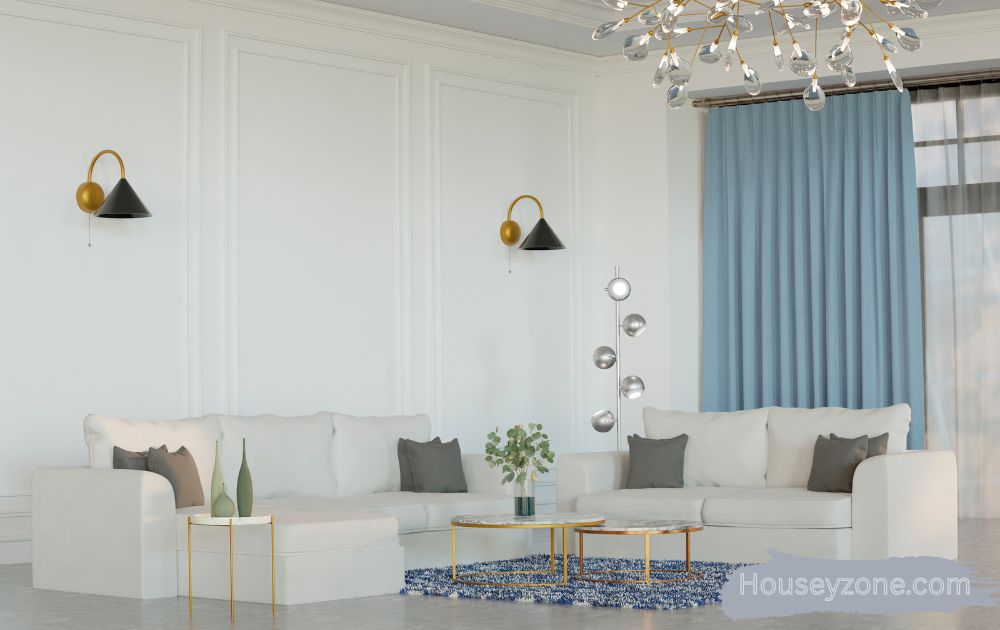
Imagine walking into a living room bathed in Simply White. The walls reflect light beautifully, making the space feel open. Paired with neutral couches and soft textures, it creates a perfect blend of coziness and sophistication.
Simply White in Bedrooms
Bedrooms are meant for rest, and Simply White helps set the mood. Add soft linens in gray or beige, or bring in pops of color like navy blue or sage green. The result? A peaceful retreat that feels airy yet grounded.
Kitchen Transformation
One of the most popular uses for Simply White is in kitchens. Cabinets painted in this shade feel fresh and timeless, pairing effortlessly with marble countertops, wooden floors, or subway tile backsplashes. It gives that clean, classic kitchen look everyone loves.
Bathroom Elegance
Bathrooms often feel cramped, but Simply White opens them up. Paired with chrome or brass fixtures, it looks sleek and modern. Add a few soft towels and candles, and you’ve got yourself a spa-like escape.
Exterior Applications
It’s not just for interiors Simply White shines outside too. On exteriors, it creates striking curb appeal, especially when paired with black shutters, wooden doors, or stone accents. It makes homes look clean, bright, and timeless.
Pairing Colors with Simply White
- Soft Neutrals: Beige, gray, taupe.
- Bold Contrasts: Black, navy, emerald.
- Warm Accents: Terracotta, gold, mustard.
- Cool Accents: Teal, silver, soft blues.
The magic lies in its ability to pair well with almost any palette.
Lighting Matters
Lighting is everything when it comes to whites. Simply White in a north-facing room might appear a bit cooler, while in south-facing rooms it feels warmer. Always test a swatch before committing, because light shifts its personality dramatically.
Simply White in Minimalist Design
If you love clean lines and uncluttered spaces, Simply White is your best friend. It acts as a serene backdrop, highlighting architectural details and simple furnishings. Think of it as the silent star that makes everything else shine.
Common Mistakes to Avoid
While versatile, Simply White isn’t foolproof. Some mistakes include:
- Using it without testing under different lighting.
- Pairing it with too many bright whites, which can clash.
- Forgetting about undertones, leading to mismatched décor.
FAQs
Is Simply White warm or cool?
Simply White leans slightly warm due to its subtle yellow undertone, but it balances well in most spaces.
Can Simply White work with dark furniture?
Absolutely. Dark woods or black furniture pop beautifully against this shade.
How does Simply White compare to other whites?
Unlike stark whites, Simply White feels softer and more inviting, making it more versatile.
Is Simply White good for small spaces?
Yes! It reflects light, making rooms feel larger and brighter.
What finish is best for Simply White walls?
For walls, eggshell or matte works beautifully, while satin or semi-gloss is ideal for trim and cabinets.
Conclusion
Simply White isn’t just a paint color it’s a lifestyle choice. Timeless, warm, and endlessly adaptable, it enhances both interiors and exteriors. Whether you’re refreshing a single room or redesigning your entire home, this shade offers the perfect balance of simplicity and elegance.
Hale Navy: The Timeless Shade That Redefines Elegance
Have you ever come across a shade that feels both bold and comforting at the same time? That’s exactly what Hale Navy delivers. More than just a color, it’s a statement of timeless elegance that has found its way into homes, fashion, and design trends across the world.
What Is Hale Navy?
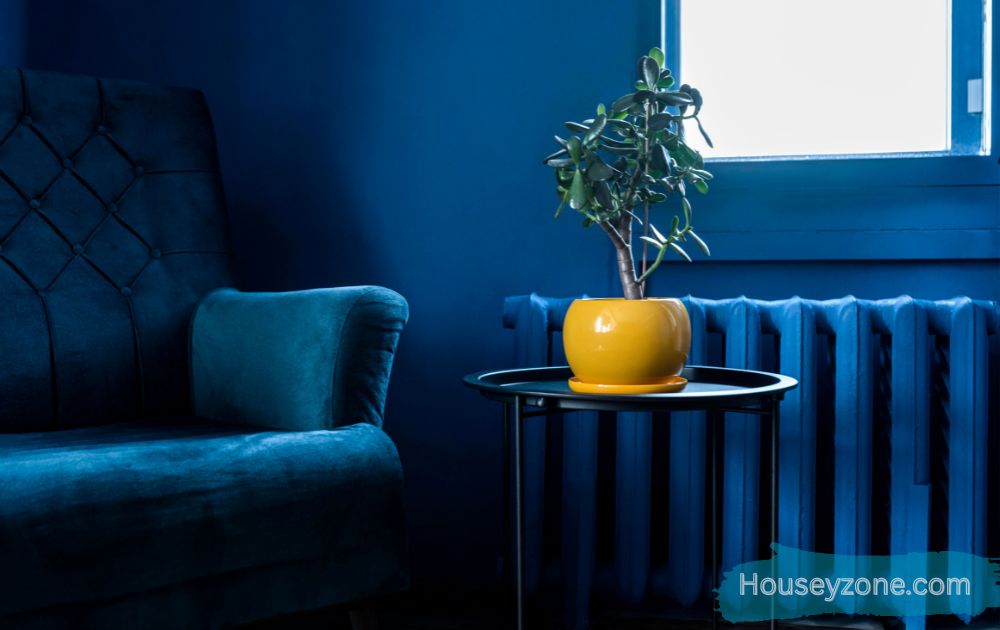
Hale Navy is a deep, rich navy blue shade created by Benjamin Moore. Unlike lighter blues, it leans toward a neutral tone, making it versatile enough to be paired with various styles and palettes. Think of it as the little black dress of the color world it just never goes out of style.
Why Hale Navy Stands Out
What makes Hale Navy special is its ability to be dramatic without being overwhelming. It has a depth that feels grounding, yet its subtle neutrality makes it easy to pair with brighter or softer hues. This balance is what gives Hale Navy its enduring popularity.
Hale Navy in Home Décor
Want to make a space look instantly chic? A touch of Hale Navy can do wonders. Whether it’s an accent wall, cabinetry, or even small décor pieces, this color adds a refined character. It works beautifully in both small apartments and large, open spaces.
Pairing Colors with Hale Navy
- Whites and Creams: These shades bring out Hale Navy’s richness while keeping the space airy.
- Golds and Metallics: Add a luxurious touch, perfect for modern glam interiors.
- Wooden Textures: Pairing with natural wood tones creates warmth and balance.
Hale Navy in Modern Interiors
In minimalist homes, Hale Navy provides depth without clutter. It pairs beautifully with industrial elements like steel, exposed brick, and concrete, giving a bold yet grounded vibe.
Hale Navy in Traditional Interiors
For classic or vintage-inspired designs, Hale Navy brings sophistication. Imagine it paired with ornate gold frames, plush velvet furniture, or antique wooden pieces it instantly elevates the room.
Hale Navy and Lighting Effects
Lighting plays a big role in how Hale Navy looks. In bright, natural light, it can appear slightly softer. Under artificial lighting, it deepens, creating a cozy and intimate ambiance. Always test it with your lighting setup before committing to larger surfaces.
Hale Navy for Kitchens
This color is a game-changer for kitchens. Navy cabinets paired with marble countertops and brass hardware scream elegance. It works equally well on kitchen islands, providing a bold centerpiece without overwhelming the space.
Hale Navy for Bedrooms
If you want your bedroom to feel calm yet stylish, Hale Navy is the perfect pick. It makes for a cozy backdrop while allowing lighter bedding and accents to shine. Pair it with crisp white linens for a hotel-like vibe.
Hale Navy for Living Rooms
In living rooms, Hale Navy shines as a statement wall. Pair it with lighter furnishings and soft textures like rugs and throws to strike a balance between bold and welcoming.
Hale Navy in Office Spaces
Looking to create a productive yet stylish home office? Hale Navy sets the tone. Its calming quality boosts focus while its professional look enhances the workspace environment.
Fashion and Hale Navy
Designers adore Hale Navy because it’s as versatile as black but less harsh. From tailored suits to evening gowns, it brings sophistication. For everyday style, a navy blazer or handbag in this shade is a timeless investment.
Psychological Impact of Hale Navy
Colors influence moods, and Hale Navy is no exception. It conveys calmness, stability, and confidence. That’s why it’s often used in offices, bedrooms, and even clothing when someone wants to feel both strong and collected.
Maintaining Hale Navy Surfaces
Dark colors can sometimes show dust or smudges more easily. To keep Hale Navy walls and furniture looking fresh, use soft cloths and mild cleaners. Avoid harsh chemicals that may dull the finish.
Is Hale Navy Here to Stay?
Trends come and go, but Hale Navy has proven its staying power. Its balance of boldness and versatility means it will continue being a go-to color for designers and homeowners alike.
FAQs About Hale Navy
1. Is Hale Navy considered a warm or cool color?
Hale Navy is a cool-toned color, but its depth makes it feel neutral, allowing it to blend well with both warm and cool palettes.
2. Does Hale Navy make a room look smaller?
Not necessarily. While darker shades can create a cozier feel, pairing Hale Navy with lighter accents helps maintain openness.
3. Can Hale Navy be used for exterior walls?
Yes! It’s a great exterior color, especially when paired with crisp white trim or natural stone.
4. Is Hale Navy suitable for small rooms?
Absolutely. Using it strategically on an accent wall can add depth without overwhelming the space.
5. What’s the closest color to Hale Navy?
Benjamin Moore’s Gentleman’s Gray and Sherwin-Williams’ Naval are similar shades, but Hale Navy remains more versatile.
Conclusion
Hale Navy isn’t just a shade it’s a lifestyle choice. It’s bold yet comforting, stylish yet timeless. Whether in your living space, wardrobe, or workplace, this color never fails to make a lasting impression.
SW Alabaster: The Ultimate Guide to Sherwin-Williams’ Timeless Paint Color
Choosing the right white paint can feel overwhelming, right? With so many shades to choose from, it’s easy to get lost in undertones, lighting effects, and endless comparisons. But among all the options, Sherwin-Williams Alabaster (SW 7008) stands out as a tried-and-true favorite. Whether you’re sprucing up a cozy living room or painting the exterior of your dream home, SW Alabaster offers a soft, inviting warmth that never goes out of style.
What is SW Alabaster?
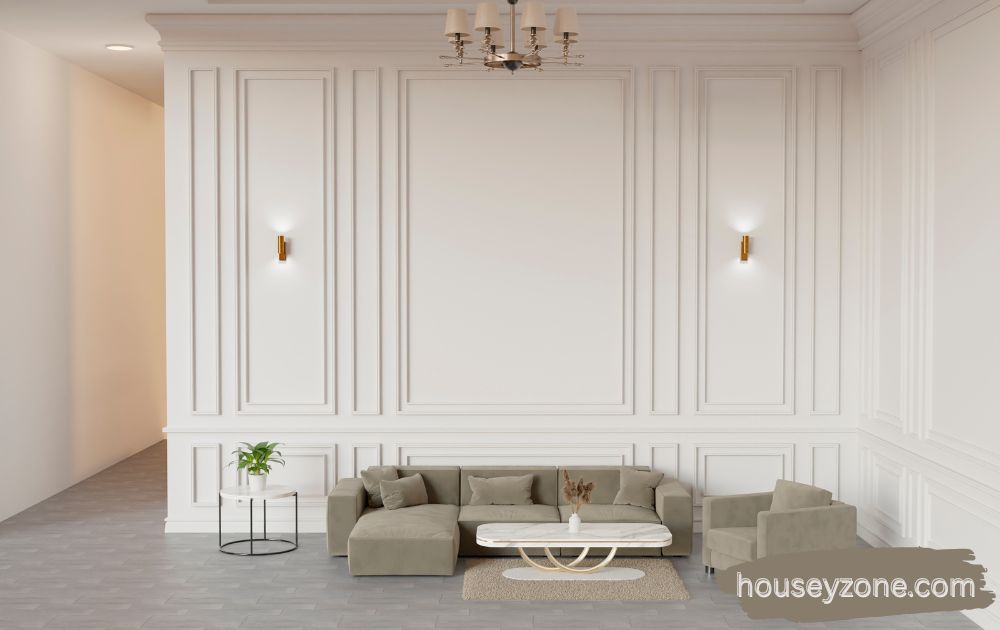
Sherwin-Williams introduced Alabaster as part of their timeless collection, and it quickly became one of their most popular shades. Unlike stark whites that can feel cold and sterile, Alabaster brings a gentle warmth to spaces, making rooms feel calm and welcoming. It’s that perfect in-between not too creamy, not too bright just the right balance.
The Psychology of White Paint
White symbolizes simplicity, peace, and clarity. In interior design, it creates an open, airy feel that can make even the smallest space seem larger. SW Alabaster takes it a step further by infusing just enough warmth to keep things cozy instead of clinical.
Think of it as the difference between a plain white sheet of paper and a soft ivory blanket one feels stark, the other inviting.
The Unique Characteristics of SW Alabaster
Undertones Explained
Alabaster is primarily a warm white with soft beige and greige undertones. That’s what keeps it from looking harsh under strong light.
Neutral Warmth in Different Lighting
In natural light, it leans toward creamy, while under artificial lighting, it holds its brightness without turning yellow.
SW Alabaster vs. Pure White
Many people confuse SW Alabaster with SW Pure White, but they serve different purposes.
- Alabaster = warm, cozy, soft.
- Pure White = crisp, clean, slightly cooler.
If you want warmth in your living spaces, Alabaster wins. For trim or a sleek modern look, Pure White might be your go-to.
SW Alabaster vs. Simply White (Benjamin Moore)
Benjamin Moore’s Simply White often comes up in comparison. While both are designer favorites, Simply White is slightly brighter and cooler.
- Alabaster works better in traditional or farmhouse designs.
- Simply White leans toward modern, minimal spaces.
Lighting Matters: How Alabaster Changes Throughout the Day
Here’s the fun part Alabaster isn’t static.
- Morning light: Fresh and soft, almost glowing.
- Afternoon sun: Warmer, cozier tones come out.
- Evening light: A balanced, calm backdrop.
Artificial light can shift the vibe too, so always test in your actual space before committing.
Best Interior Uses for SW Alabaster
Walls
It creates a neutral foundation for furniture and décor.
Trim and Ceilings
Pairing Alabaster walls with a brighter trim adds dimension without clashing.
Kitchen Cabinets
For a farmhouse kitchen or modern minimal look, Alabaster cabinets are a winner.
Bedrooms
It’s soft enough to create a relaxing retreat, especially with cozy fabrics.
Best Exterior Uses for SW Alabaster
On exteriors, Alabaster shines literally.
- Siding: Warm but not yellow, making it timeless.
- Brick and Stone Pairings: Complements earthy tones beautifully.
- Front Doors and Accents: Works well with bold blacks, blues, or wood stains.
Perfect Color Pairings with SW Alabaster
- Soft neutrals: Agreeable Gray, Accessible Beige.
- Bold contrasts: Tricorn Black, Iron Ore.
- Wood tones: Light oak or dark walnut.
Design Styles that Shine with SW Alabaster
- Modern Farmhouse: A Joanna Gaines favorite.
- Minimalist: Simple, clutter-free backdrops.
- Coastal Chic: Bright, airy, breezy vibes.
- Traditional: Classic elegance with warmth.
Tips for Testing SW Alabaster Before Painting
Don’t just rely on tiny paint chips.
- Paint large sample boards and move them around.
- Compare against neighboring whites in the room.
- Check under daylight and nightlight.
Common Mistakes to Avoid with SW Alabaster
- Pairing with stark whites: Makes Alabaster look dingy.
- Ignoring undertones: Can clash with cool blues or grays.
Why Designers Recommend SW Alabaster
Designers love Alabaster because it’s timeless, flexible, and doesn’t go out of trend. It adapts beautifully in both small apartments and large open homes, proving its versatility time and again.
FAQs About sw alabaster
1. Is SW Alabaster a warm or cool white?
It’s a warm white with subtle greige undertones.
2. Does Alabaster work in modern homes?
Yes, it pairs beautifully with sleek furniture and minimal décor.
3. Is SW Alabaster good for small spaces?
Absolutely its brightness makes small rooms feel larger.
4. Can I use Alabaster for trim?
Yes, but pair carefully with wall colors to avoid blending too much.
5. What exterior colors pair best with Alabaster?
Bold blacks, navy blues, and natural wood tones look stunning with it.
Conclusion
If you’re searching for that perfect not-too-bright, not-too-creamy white, Sherwin-Williams Alabaster might just be the one. It’s warm without being yellow, versatile without being boring, and timeless without being outdated. Whether you’re painting walls, cabinets, or exteriors, this shade creates a backdrop that makes everything else shine.
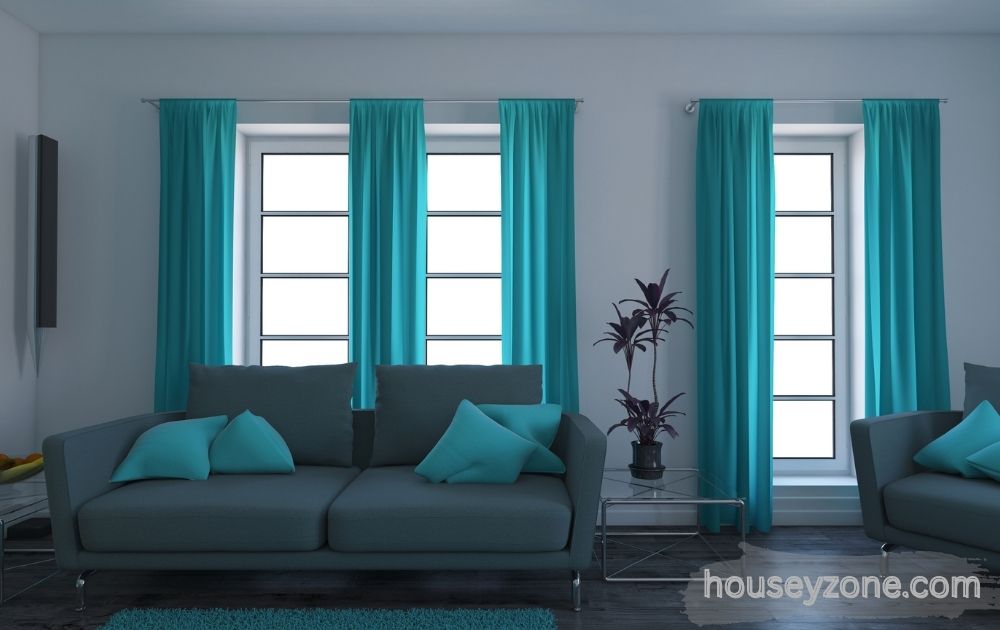
Art Deco Curtains: A Timeless Touch of Glamour for Modern Homes
Art Deco curtains are more than just window coverings they’re bold statements of glamour and sophistication. With their geometric patterns, rich fabrics, and metallic accents, these curtains can instantly transform any room into a stylish haven. If you’ve been craving a touch of timeless elegance in your home, Art Deco curtains might be just what you need.
The Origins of Art Deco Style
The Art Deco movement began in the 1920s and 1930s, blending luxury with modernism. Inspired by architecture, fashion, and fine arts, the style was characterized by symmetry, bold colors, and geometric designs. While it once dominated skyscrapers and jewelry, it soon found its way into home interiors curtains included.
Key Features of Art Deco Curtains
What sets Art Deco curtains apart? Three elements: striking geometry, plush fabrics, and metallic hints. Imagine curtains that don’t just frame your window but become a central part of the room’s design.
- Bold patterns like zigzags and chevrons
- Rich fabrics such as velvet and silk
- Metallic finishes in gold, silver, or bronze
Popular Fabrics Used in Art Deco Curtains
Fabric choice plays a huge role in this style.
- Velvet brings richness and depth, perfect for living rooms.
- Silk and satin add a sleek, glossy finish that screams sophistication.
- Linen blends give a softer look while still holding onto that Art Deco edge.
Colors That Define Art Deco Curtains
When you think of Art Deco, you think drama. The color palette reflects exactly that.
- Jewel tones like emerald, sapphire, and ruby bring opulence.
- Black and gold scream timeless luxury.
- Neutrals with metallic accents balance minimalism and extravagance.
Patterns and Motifs in Art Deco Curtains
Patterns are at the heart of this style.
- Chevron and zigzag give a dynamic feel.
- Sunburst and fan motifs add glamour.
- Symmetrical geometry ties the whole look together.
Why Choose Art Deco Curtains for Your Home?
Simple because they offer elegance, versatility, and personality. Whether you want to glam up your living room or give your bedroom a vintage twist, Art Deco curtains adapt beautifully.
Art Deco Curtains in Living Rooms
Your living room is where first impressions are made. Art Deco curtains, with their bold designs, instantly draw attention. Pair them with sleek furniture, metallic lamps, and a plush rug for a cohesive look.
Art Deco Curtains in Bedrooms
Bedrooms deserve luxury too. Think deep velvet curtains in rich tones that complement your bedding. Add mirrored side tables or metallic lamps, and you’ve got a retreat fit for royalty.
Art Deco Curtains in Dining Areas
Want your dining area to feel like a scene from The Great Gatsby? Art Deco curtains paired with a crystal chandelier and a dark wood dining table will do just that.
How to Style Art Deco Curtains
Styling is all about balance.
- Use gold or chrome rods for hanging.
- Choose decorative tiebacks with metallic details.
- Mix curtains with bold wall art or rugs for a dramatic finish.
DIY Ideas for Art Deco-Inspired Curtains
Don’t want to splurge? Get crafty.
- Add metallic trims or borders to plain curtains.
- Use stencils to paint geometric patterns directly onto fabric.
Where to Buy Art Deco Curtains
You can explore:
- Online marketplaces like Etsy and Wayfair for ready-made options.
- Custom curtain makers if you want something unique and perfectly fitted.
Tips for Maintaining Art Deco Curtains
Keep them looking their best by:
- Vacuuming regularly to remove dust.
- Dry-cleaning delicate fabrics like silk or velvet.
- Avoiding direct sunlight to prevent fading.
Conclusion
Art Deco curtains aren’t just about covering windows they’re about expressing personality, luxury, and style. Whether you’re dressing up your living room, bedroom, or dining area, they add instant drama and timeless charm. So, if you want your home to echo the elegance of the roaring twenties, Art Deco curtains are the way to go.
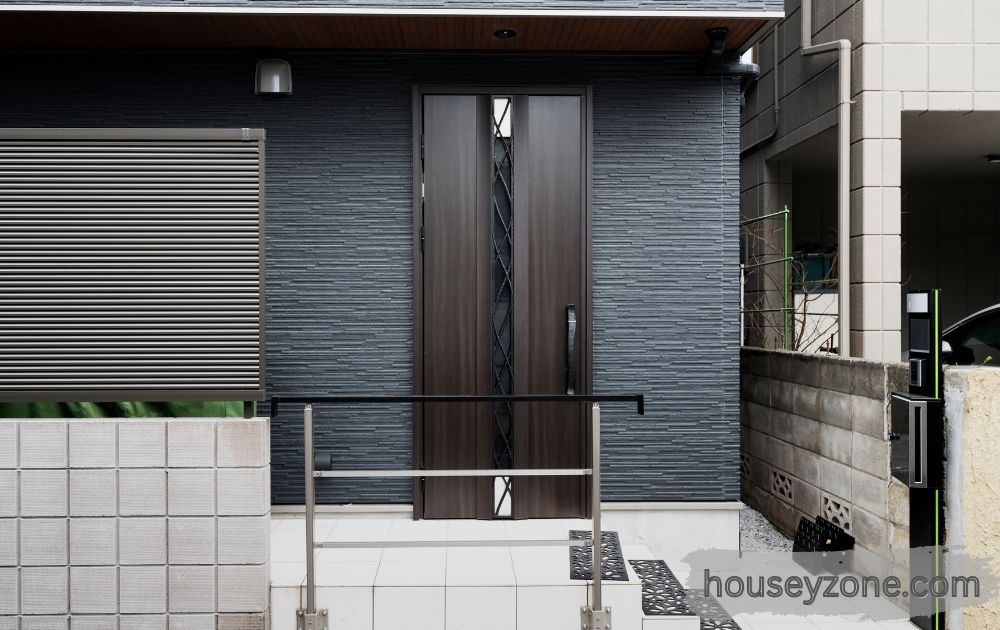
Doors and Canopies: Enhancing Style, Functionality, and Protection
Doors and canopies may seem like simple features of a property, but they do far more than just serve a basic function. They add beauty, improve security, and protect your home or business from the elements. Whether you’re welcoming guests at your front entrance or looking for shade in your backyard, doors and canopies work hand in hand to make life more comfortable and stylish.
What Are Doors and Canopies?
At their core, doors are entry points designed for privacy, security, and convenience, while canopies are overhead structures that provide shelter and style. Think of a canopy as an umbrella for your home it shields your entrance, patio, or even car from sun, rain, and snow while adding character to the exterior.
The Role of Doors in Homes and Businesses
A door isn’t just a way in and out it’s the first impression people get when they arrive at your property.
- Security and Privacy: Strong doors keep your home safe.
- Aesthetic Appeal: Stylish doors create curb appeal.
- Energy Efficiency: Properly fitted doors keep heat in during winter and out during summer.
Types of Doors
Hinged Doors
The most common type, swinging open and closed on hinges.
Sliding Doors
Perfect for patios and modern interiors, they save space and offer wide openings.
Folding Doors
Also called bi-folds, these are great for creating open-plan spaces.
French Doors
Elegant double doors that bring in natural light.
Glass Doors
Modern and stylish, often used in offices and contemporary homes.
The Growing Popularity of Canopies
Canopies are gaining popularity because they serve both functional and decorative purposes. They keep entrances dry, create outdoor living areas, and can even boost property value.
Types of Canopies
Entrance Canopies
Installed above the front door to protect visitors from rain.
Patio Canopies
Extend living space outdoors, great for dining or lounging.
Carport Canopies
Provide shade and protection for vehicles.
Garden Canopies
Add charm while offering shade for seating areas.
Commercial Canopies
Common in shops and businesses, they attract customers and provide shelter.
Materials Used in Doors
- Wood: Classic and elegant, but needs maintenance.
- Steel: Strong and durable, great for security.
- Glass: Stylish, modern, and perfect for natural light.
- Composite: Low maintenance and energy-efficient.
Materials Used in Canopies
- Polycarbonate: Lightweight and durable, ideal for weather protection.
- Glass: Sleek and modern, often used for high-end designs.
- Fabric: Flexible and colorful, great for retractable canopies.
- Metal: Strong and long-lasting, often used in industrial settings.
How Doors and Canopies Complement Each Other
Imagine stepping up to a beautiful front door with a stylish canopy overhead. The canopy keeps you dry while you search for your keys, and the door welcomes you into a warm and inviting home. Together, they create a complete and functional entrance.
Design Trends in Doors
- Minimalist Styles: Clean lines and simple finishes.
- Bold Colors: Statement-making reds, blues, and greens.
- Smart Technology Integration: Digital locks and smart doorbells.
Design Trends in Canopies
- Transparent Roofing: Polycarbonate and glass for natural light.
- Modern Metal Finishes: Sleek steel and aluminum designs.
- Retractable Options: Flexibility for sun or shade when you need it.
Practical Benefits of Installing Canopies
- Protects against sun, rain, and snow.
- Adds usable outdoor living space.
- Boosts property appeal and value.
Choosing the Right Door and Canopy for Your Space
When picking doors and canopies, think about the overall style of your home, your budget, and how much maintenance you’re willing to do. The right choice blends beauty with practicality.
Maintenance Tips
- Cleaning: Regularly wash glass and polycarbonate surfaces.
- Preventing Damage: Inspect hinges, bolts, and frames for wear.
- Seasonal Care: Protect wooden doors and fabric canopies from harsh weather.
FAQs About doors and canopies
1. What is the purpose of a door canopy?
A door canopy protects entrances from rain, snow, and sunlight while adding a stylish touch to the exterior.
2. Can canopies increase property value?
Yes, well-designed canopies boost curb appeal and can make your property more attractive to buyers.
3. Which canopy material lasts the longest?
Metal and polycarbonate canopies are among the most durable options.
4. How often should I maintain my door and canopy?
A light clean every month and a detailed check at least twice a year helps extend their life.
5. Can doors and canopies be customized?
Absolutely! From colors and materials to designs and finishes, customization options are endless.
Conclusion
Doors and canopies are much more than functional features. They’re part of your property’s personality, shaping the way people experience your space. From offering protection against the weather to creating beautiful entrances, they’re an investment worth making. Choosing the right combination can transform a simple structure into a welcoming, stylish, and practical home or business front.
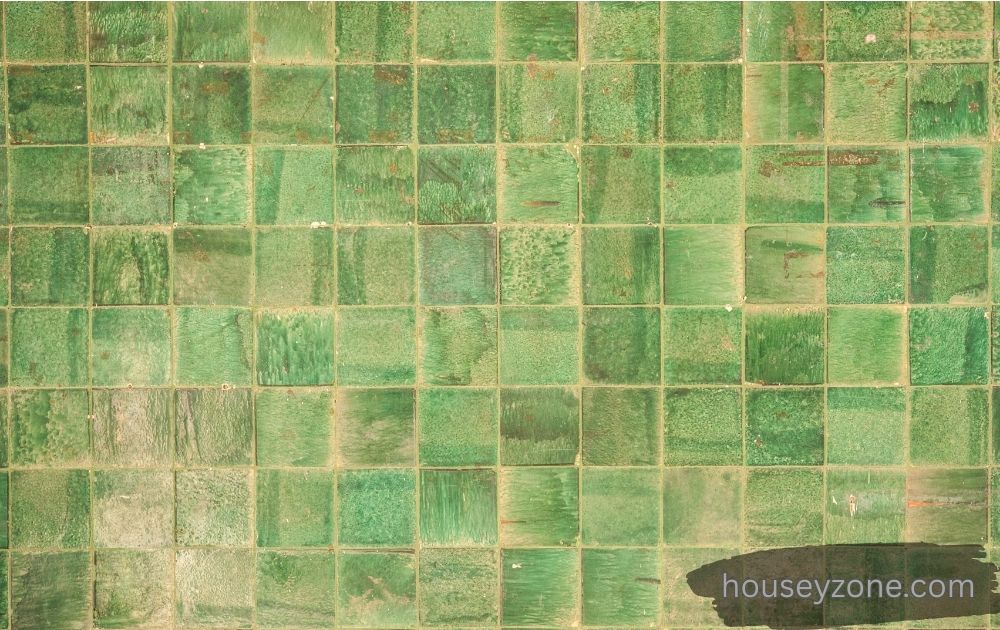
The Timeless Elegance of Dark Green Tiles: A Complete Guide
Dark green tiles have quietly made their way back into the spotlight. Once seen as a bold, niche choice, they’re now celebrated for their richness, depth, and versatility. Whether you want to add a touch of luxury, channel nature indoors, or simply stand out with a unique design, dark green tiles can be the perfect pick. Let’s dive into everything you need to know about this timeless design element.
Why Choose Dark Green Tiles?
A Symbol of Nature and Luxury
Green instantly connects us to nature. Dark green tiles, in particular, carry an earthy, calming feel, yet they also radiate elegance and sophistication. Think of them as the velvet of the design world soft, rich, and luxurious.
Versatility Across Styles
From rustic farmhouse kitchens to sleek, modern bathrooms, dark green tiles adapt effortlessly. Their ability to blend with both contemporary and classic interiors makes them a safe yet stylish choice.
Timeless Appeal
Unlike trendy colors that fade in and out of popularity, dark green has staying power. It’s been used in traditional designs for centuries and continues to inspire modern interiors today.
Types of Dark Green Tiles
Ceramic Dark Green Tiles
Affordable and widely available, ceramic tiles offer endless patterns and finishes, making them great for kitchens and bathrooms.
Porcelain Dark Green Tiles
Known for their durability, porcelain tiles are water-resistant and perfect for high-traffic or wet areas.
Glass Dark Green Tiles
These reflective beauties are often used for backsplashes, adding shine and depth to smaller spaces.
Natural Stone Options
Marble, slate, or granite in dark green shades bring raw, earthy elegance and uniqueness to any room.
Design Ideas with Dark Green Tiles
Kitchen Backsplashes
A dark green tile backsplash makes your kitchen pop. Pair it with white cabinets for a crisp, fresh contrast.
Bathroom Elegance
Dark green tiles create a spa-like retreat. Imagine a walk-in shower with glossy emerald tiles it feels both calming and luxurious.
Living Room Statements
Feature walls with dark green tiles give your living room an artistic touch, especially when paired with warm wooden furniture.
Outdoor Applications
Dark green stone tiles can enhance patios, pool areas, or garden paths, blending seamlessly with nature.
Pairing Dark Green Tiles with Other Colors
Neutral Tones for Balance
Beige, cream, or soft grey tones complement dark green tiles beautifully, softening their boldness.
Bold Contrasts for Drama
Pair dark green with black or deep navy for a moody vibe, or add crisp white for a sharp, modern edge.
Metallic Accents for Luxury
Gold or brass fixtures with dark green tiles scream luxury. Think emerald tiles paired with golden taps in a bathroom.
Finishes and Textures
Glossy Dark Green Tiles
Glossy tiles reflect light, making them ideal for smaller rooms where brightness matters.
Matte and Rustic Options
Matte finishes create a softer, more understated look, perfect for rustic or industrial interiors.
Patterned and Mosaic Styles
Mosaic tiles bring creativity and flair, while patterned designs can serve as artistic focal points.
Benefits of Dark Green Tiles
Durability
Tiles are long-lasting and resistant to wear, making them ideal for busy households.
Easy Maintenance
A quick wipe-down keeps them looking fresh, unlike materials that require polishing.
Eco-Friendly Choices
Many dark green tiles are made from recycled or sustainable materials, making them an eco-conscious choice.
Installation Tips
Choosing the Right Grout Color
Lighter grout highlights the pattern, while darker grout blends seamlessly with the tiles.
Proper Lighting Considerations
Dark colors can make spaces look smaller, so ensure there’s plenty of natural or artificial light.
Hiring Professionals vs DIY
DIY is possible, but professional installation guarantees longevity and a flawless finish.
Common Mistakes to Avoid
Overusing Dark Shades
Too much dark green can feel overwhelming. Balance it with lighter tones or accents.
Ignoring Room Size and Lighting
Dark green tiles need light to shine. Avoid using them in already dim, small spaces without proper lighting.
Poor Color Pairings
Clashing colors can ruin the elegant vibe. Stick with harmonizing tones and accents.
Cost and Budgeting
Factors Affecting Price
Material, size, finish, and brand can all affect the cost of dark green tiles.
Affordable Alternatives
Ceramic tiles often mimic the look of pricier porcelain or natural stone.
Long-Term Investment Value
Though sometimes pricier upfront, durable tiles save money over time thanks to their longevity.
Caring for Dark Green Tiles
Cleaning Techniques
Warm water and mild cleaners are all you need.
Avoiding Harsh Chemicals
Bleach or strong acids may dull the shine and damage surfaces.
Preventing Scratches and Stains
Using mats and gentle cleaning pads keeps your tiles looking pristine.
Dark Green Tiles in Modern Trends
Minimalist Homes
Minimalist interiors often use dark green tiles as a bold focal point.
Eco-Friendly Designs
Green tones naturally suit sustainable design trends, especially with recycled tiles.
Vintage-Inspired Interiors
Dark green tiles bring a retro charm, reminding us of classic Victorian and Art Deco designs.
Dark Green Tiles vs Other Popular Tile Colors
Green vs Blue Tiles
Green feels earthy and grounding, while blue feels airy and coastal.
Green vs Grey Tiles
Grey is neutral and versatile, but green adds more warmth and character.
Green vs White Tiles
White tiles create a clean slate, but green introduces depth and richness.
Where to Buy Dark Green Tiles
Local Tile Stores
Visiting in person lets you touch and see the textures up close.
Online Retailers
Online shopping offers variety and convenience, often at competitive prices.
Custom-Made Options
For a unique touch, consider bespoke tiles tailored to your design vision.
FAQs About dark green tiles
What makes dark green tiles unique?
Their deep, rich tones create both a calming and luxurious vibe, unlike many other tile colors.
Can dark green tiles make a small room look smaller?
They can if lighting is poor, but paired with bright fixtures and good lighting, they enhance even small spaces.
Are dark green tiles suitable for outdoor spaces?
Yes, especially in natural stone or porcelain finishes, they blend beautifully with outdoor landscapes.
How do I clean and maintain dark green tiles?
Mild soap, warm water, and soft cloths are usually all you need. Avoid harsh chemicals.
What’s the best color grout for dark green tiles?
Light grey or white grout highlights the tiles, while dark grout creates a seamless, modern look.
Conclusion
Dark green tiles are more than just a design choice they’re a lifestyle statement. Whether you want to bring nature indoors, create a luxurious spa bathroom, or simply add a pop of bold character, these tiles deliver every time. With proper care, smart design choices, and the right combinations, dark green tiles can transform any space into a timeless haven of beauty.
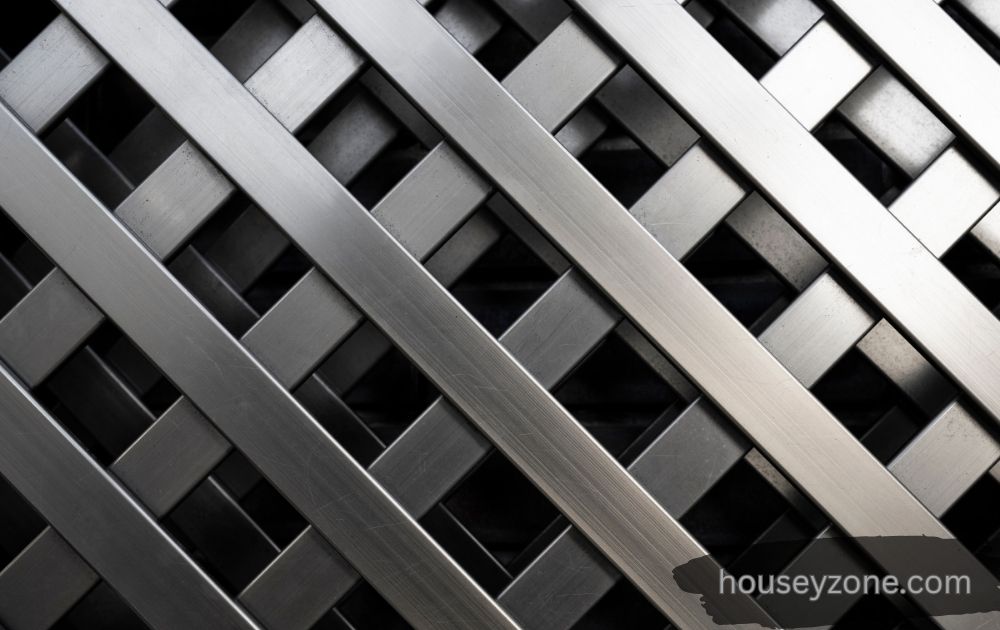
The Complete Guide to Metal Tiling Trim: Styles, Uses, and Installation Tips
When it comes to finishing tile projects, the small details make the biggest difference. One of those details is metal tiling trim a sleek and practical accessory that not only protects your tile edges but also elevates the overall look of your space. Whether you’re redoing a bathroom, adding a backsplash in the kitchen, or upgrading outdoor flooring, choosing the right trim is essential.
What is Metal Tiling Trim?
Metal tiling trim is a protective and decorative strip used to finish the edges of tiled surfaces. It prevents tiles from chipping, creates smooth transitions, and enhances the aesthetic appeal of walls, floors, and countertops. Think of it as the elegant picture frame that completes your artwork.
Why It Matters in Tile Finishing
Without trim, exposed tile edges can look unfinished, sharp, or even unsafe. Metal trims solve this problem by blending durability with design.
Types of Metal Tiling Trim
Aluminum Trim
Lightweight, versatile, and cost-effective. Ideal for most residential projects.
Stainless Steel Trim
Perfect for high-traffic areas and outdoor use because of its strength and corrosion resistance.
Brass Trim
Luxurious and timeless. Brass adds warmth and sophistication to interior designs.
Decorative Coated Trims
Available in colors like matte black, bronze, or gold. Great for matching modern interior themes.
Different Shapes of Tile Trim
L-Shaped Trims
Protects tile edges and corners with a sharp, clean look.
Round-Edge Trims
Provides a smooth, curved finish, often used in bathrooms and countertops.
Square-Edge Trims
Gives a modern, sharp aesthetic with clean-cut edges.
Transition Trims
Used where tile meets another flooring type, like carpet or wood.
Benefits of Using Metal Tiling Trim
- Durability: Stronger than plastic alternatives and built to last.
- Aesthetic Appeal: Adds a professional, polished touch.
- Edge Protection: Prevents chips, cracks, and damage.
- Low Maintenance: Resistant to stains and easy to clean.
Where to Use Metal Tiling Trim
- Kitchens: Around backsplashes, countertops, and wall edges.
- Bathrooms: For shower edges, bathtub surroundings, and vanity areas.
- Living Spaces: Transitioning floors or creating accent walls.
- Outdoors: Patios, garden steps, or swimming pool edges.
Choosing the Right Finish for Your Trim
- Polished Finish: Shiny and reflective, adds a luxury feel.
- Brushed Finish: Subtle and modern, ideal for minimalistic designs.
- Colored Coatings: Black, bronze, or gold trims to match décor.
Metal Trim vs. Plastic Trim: Which is Better?
While plastic trim is cheaper and easier to cut, it doesn’t compare to the strength, longevity, and high-end look of metal trims. If you’re investing in tiles, metal trims are the smarter long-term choice.
How to Install Metal Tiling Trim Properly
Tools Required
- Tile cutter
- Adhesive
- Notched trowel
- Measuring tape
- Tile spacers
Step-by-Step Installation Guide
- Measure and cut the trim to the required length.
- Apply adhesive evenly where the trim will sit.
- Place the trim and press it firmly.
- Align tiles alongside the trim using spacers.
- Allow adhesive to dry before grouting.
Common Mistakes to Avoid
- Cutting trims too short.
- Using the wrong adhesive.
- Misaligning trim with tiles.
Design Ideas with Metal Tiling Trim
- Modern Minimalism: Use slim brushed aluminum trims for a clean finish.
- Industrial Style: Stainless steel trims with dark tiles for a rugged vibe.
- Luxury Touch: Brass or gold trims with marble tiles for elegance.
Cost Considerations and Budgeting
Metal trims vary in price depending on material, finish, and brand. Aluminum is usually the most affordable, while brass and decorative finishes cost more. Always budget extra for replacements and unexpected cuts.
Maintenance and Cleaning Tips
- Wipe regularly with a damp cloth.
- Avoid abrasive cleaners that may scratch the surface.
- For stainless steel, use mild polish for a long-lasting shine.
Common Problems and Solutions
- Rust Spots: Choose trims with proper coatings.
- Loose Trim: Reapply adhesive or grout if trim becomes unstable.
- Scratches: Use touch-up kits or replace damaged pieces.
Latest Trends in Metal Tile Trim
- Matte black and brushed gold trims are trending in modern interior design.
- Hidden trims for a seamless edge finish are gaining popularity.
- Eco-friendly, recycled metal trims are emerging as a sustainable choice.
Conclusion
Metal tiling trim may seem like a small detail, but it plays a big role in protecting and beautifying your tiled surfaces. With so many materials, finishes, and styles available, it’s easy to find the perfect trim to match your project. Whether you’re after durability, elegance, or a modern vibe, investing in the right metal trim ensures your tiles not only last longer but also look professionally finished.
FAQs About Metal Tiling Trim
1. Can I use metal tile trim outdoors?
Yes, stainless steel and coated aluminum trims are perfect for outdoor use.
2. Is metal tiling trim hard to install?
Not at all anyone with basic DIY skills can install it with the right tools.
3. Which metal trim finish is best for bathrooms?
Brushed stainless steel or aluminum is ideal due to moisture resistance.
4. How do I cut metal tiling trim?
Use a hacksaw or specialized trim cutter for clean edges.
5. Can metal trims be painted?
Yes, but it’s better to buy pre-finished trims for durability.