

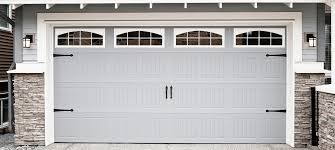
Upgrading to Insulated Garage Doors: What Homeowners Need to Know
Garage doors aren’t just for protecting cars and tools; they’re vital for keeping your garage secure and weatherproof. While traditional doors get the job done, insulated garage doors take it to the next level by offering superior energy efficiency.
Thinking about an upgrade? Here’s what you need to know to choose and install the perfect insulated garage door for your home!
Benefits of Insulated Garage Doors
Insulated garage doors offer a variety of benefits that go beyond just energy efficiency. These benefits include:
Improved Energy Efficiency
Insulated garage doors save more energy than non-insulated ones. They keep the garage temperature stable, which helps your home’s heating and cooling systems. This can lower your energy bills.
Enhanced Durability and Strength
Insulated garage doors are tougher and last longer than non-insulated ones because they have multiple layers of insulation. They can handle harsh weather like strong winds, heavy rain, and extreme temperatures. This is great for people living in places with tough climates.
Reduced Noise
If you have a living space close to or above your garage, insulated doors can help reduce noise transfer. The insulation acts as a sound barrier, making your garage quieter and less prone to disturbance from outside noises.
Increased Home Value
Investing in a garage insulated door can also increase the value of your home. Potential buyers will see the added benefits of an insulated door and may be willing to pay more for a home with one installed.
Choosing the Right Insulation
When it comes to choosing the right insulation for your garage door upgrades, there are a few options available:
Polyurethane Insulation
Polyurethane insulation is the most energy-efficient option, as it has a higher R-value (a measure of insulation’s ability to resist heat transfer). It also provides excellent noise reduction and strength.
Polystyrene Insulation
Polystyrene insulation is more affordable than polyurethane but still offers decent energy efficiency and noise reduction. However, it may not be as durable as polyurethane.
Reflective Insulation
Reflective insulation is a thin, lightweight option that works by reflecting heat away from your garage. While it may not offer the same level of insulation as the other options, it can still provide some energy efficiency benefits.
Installation Considerations
Before purchasing and installing insulated garage doors, there are a few things to consider:
Space and Fit
Make sure you have enough space in your garage for an insulated door. They can be thicker than non-insulated doors, so you may need to adjust the tracks or install additional hardware. It’s also important to measure the opening accurately to ensure a proper fit.
Professional Installation
While some homeowners may choose to install their insulated garage doors themselves, it’s recommended to hire a professional such as Overhead Tampa for safer and more efficient installation. They will have the necessary knowledge and tools to ensure everything is installed correctly.
Maintenance
Like any other garage door, insulated doors also require regular maintenance to keep them functioning properly. This may include lubricating moving parts, checking insulation for damage or wear, and ensuring proper sealing around the door.
Invest in Insulated Garage Doors Now!
Upgrading to insulated garage doors can provide numerous benefits for homeowners. So, it’s important to choose the right type of insulation for your needs and consider professional installation for optimal results. With proper maintenance, an insulated garage door can continue to benefit your home for years to come. So, don’t hesitate to make the switch and enjoy a more energy-efficient and secure garage!
Is this article helpful? Keep reading our blog for more.
Stay in touch to get more updates & news on houseyzone!

DIY vs Pest Control Specialists – Which is Best for You?
When it comes to battling pests, the decision between DIY methods and hiring pest control specialists can be daunting. Each option has its set of advantages and drawbacks.
So how will you know which path will effectively protect your home and health? Don’t worry, we’re here to help. This guide outlines the pros and cons of each option, helping you make an informed decision.
Ready to decide which route to take for optimal pest prevention? Let’s begin!
Immediate Results vs. Longevity
When faced with a pest problem, many people want immediate results. DIY methods can often provide quick fixes.
For example, setting traps or using sprays can sometimes eliminate pests on the spot. These methods are usually cheap and straightforward. However, they might not solve the problem at its root.
On the other hand, hiring professional pest control services may offer more long-lasting solutions. They have the training and tools to identify and treat the source of the infestation.
While it may take longer to see the results, their treatments are usually more comprehensive.
Pest Control Costs Comparison
DIY pest control methods are usually cheaper upfront. You can purchase traps, baits, and sprays at local stores without spending too much. Many people also find satisfaction in solving the problem on their own.
However, they may cost more in the long run if the problem persists or worsens. You might end up buying more products or dealing with property damage caused by pests.
Alternatively, professional pest control services often have higher initial costs. Their expertise and advanced treatments come at a price. Yet, they can be more cost-effective over time.
Additionally, many pest control companies offer guarantees and follow-up treatments. This can provide peace of mind and protect your investment.
Health and Safety Risks
The risks of DIY pest control can be significant. Some DIY products contain harmful chemicals and may expose you and your family to toxins. This can lead to:
- respiratory issues
- skin irritation
- poisoning
Professional pest control services are well-versed in safety protocols. Their experts use safe and approved methods. They also ensure that treatments are applied correctly, reducing potential hazards.
Customization vs. Professional Assessment
DIY pest control allows for customization. You have the freedom to choose the methods and products that you believe will work best for your situation. This flexibility can be beneficial if you have unique circumstances or specific pest concerns.
However, this customization often comes without professional knowledge. You may misapply treatments or fail to address the root of the problem. This can lead to ineffective control and recurring issues.
In contrast, trained specialists conduct thorough inspections to understand the extent of the infestation. They can identify the type of pests and the best treatment plan. This approach can lead to more successful pest management and long-term prevention.
Therefore, if you’re seeking peace of mind and a thorough understanding of the problem, hiring professionals might be your best bet. For more info, consider consulting with a reputable pest control service to explore your options.
Perks of Hiring Pest Control Specialists
In the battle against pests, the choice between DIY methods and pest control specialists is significant. Both options have their benefits and drawbacks. DIY can be cost-effective and flexible, while professionals offer expertise and long-term solutions.
Ready to take action? Reach out to a trusted pest control service today. Protect your home and peace of mind.
Did you find this article helpful? Check out the rest of our blog now!
Stay in touch to get more updates & news on houseyzone!

From Start to Finish: A Step-by-Step Guide to Insulation Removal
Have you ever wondered how to remove insulation safely and efficiently?
Insulation removal is an important task that can improve the comfort and energy efficiency of your home. Below, we will be talking about the insulation removal process.
Whether you’re tackling a renovation or addressing an insulation issue, you’ll find valuable points here. Ready to get started? Let’s begin!
Prepare the Area
Before you start removing insulation, it’s important to get the area ready. First, clear the space of any furniture or items that might get in the way. Make sure the floor is clean and there are no tripping hazards.
Next, put on your protective gear. This includes gloves, a mask, and safety glasses. Seal off the area with plastic sheets to keep any dust and debris contained. This will protect other parts of your home and make attic cleanup easier.
Gather Necessary Tools
Before you start with the insulation replacement, you will need some tools. Get a utility knife to help you cut through the insulation. Have some heavy-duty trash bags ready for disposing of the old insulation.
A vacuum cleaner, preferably a shop vacuum, is essential for handling dust and small bits of insulation. A flashlight will also be useful for illuminating dark areas. With these tools, you are ready to start the job.
Remove Old Insulation
Removing old insulation might seem challenging, but it can be straightforward with the right steps. Begin by carefully pulling insulation away from walls or the attic floor. If the insulation is in batts or rolls, gently lift them and place them in trash bags without pressing too much to avoid creating more dust.
For loose-fill insulation, use a vacuum cleaner to suck up the material. Take your time and work in small sections to ensure you get all the insulation. Deposit any old insulation into heavy-duty trash bags.
Once you’ve removed the insulation, double-check the area to ensure nothing gets left behind. This way, your space will be clean and ready for new insulation if needed.
Clean the Space
After you’ve taken out all the insulation, it’s time to clean up. Use a shop vacuum to pick up any loose bits and dust. Check the walls, floors, and corners to make sure no insulation pieces are left behind.
Wipe down surfaces with a damp cloth to remove any remaining dust. Be thorough so the area is spotless.
Cleaning the space helps make sure it’s ready for new insulation. It also keeps your home safe and healthy by removing potential allergens.
Install New Insulation
You can now put in the new insulation. Choose the right type of insulation for your home and follow the product instructions.
Place the insulation snugly between the studs or rafters, ensuring there are no gaps. This will help keep your home warm in winter and cool in summer.
If you need help, consider hiring a professional company like Anthem Insulation Company. Doing so will ensure the correct installation of your insulation. Once complete, you’ll have a more comfortable and energy-efficient home.
Do Insulation Removal Right With These Steps
Completing the insulation removal process can make your home more comfortable and energy-efficient. By following these steps, you can address old insulation issues and upgrade your home’s performance.
Remember the importance of each step from preparation to installation. Proper insulation removal can make a significant difference in your home’s energy bills and overall comfort.
Are you looking for other helpful content? If so, stay with us and continue reading for more.
Stay in touch to get more updates & news on houseyzone!
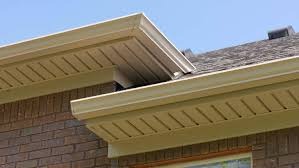
4 Common Signs That It’s Time for Soffit and Fascia Repair
Your home’s soffit and fascia play a crucial role in protecting your roof and walls. Over time, these areas can suffer from wear and tear. Ignoring the signs can lead to costly repairs.
In this blog post, we will highlight four common signs that indicate it’s time for soffit and fascia repair. Stay tuned to learn how to keep your home in top shape and avoid expensive damage.
1. Peeling or Cracking Paint
Peeling or cracking paint on your soffits and fascia is a clear sign of aging. It might seem like just an aesthetic issue, but it can lead to severe problems. The paint forms a protective barrier against harsh weather conditions.
Without this protection, elements such as rainwater can make direct contact with the wood. This could lead to moisture absorption, which can cause rot or mold growth over time. If you notice peeling or cracking paint, it’s time for some roof maintenance work.
2. Evidence of Pests
Pests like squirrels, rodents, or birds often target the spaces beneath your roof’s soffit for building nests. If you see any evidence of nesting activity around these areas, seek help immediately. These pests can cause significant damage.
They chew through wooden surfaces, creating holes that allow water to seep into your home’s interior. Additionally, their droppings can also contribute to wood decay over time. Hence, pest infestation is not something you should ignore.
3. Leaky Gutters
Gutters that leak frequently may suggest issues with your soffits and fascia. Poorly maintained gutters clog up with debris leading to water overflowing onto your soffits and fascia boards. Over time this causes water damage and rotting.
It’s essential to regularly clean your gutters and check for leaks or water pooling. If your gutters are consistently leaking even after cleaning, then it might be time to consider soffit and fascia repair. It’s best to address this issue promptly before it causes further damage.
4. Visible Sag or Drip
Over time, the weight of accumulated snow or water can cause your soffits and fascia to sag or drip. This is a dangerous situation as it could lead to structural damage in your home. Hence, it’s essential not to ignore such visible signs.
A drooping soffit or fascia indicates water damage, which means that moisture is not being adequately controlled. It’s important to address this issue quickly before it gets worse, leading to more costly repairs. For professional help, you can visit the Raleigh roofing company and they will ensure your soffits and fascias are structurally sound and well-maintained.
Ensuring Longevity with Soffit and Fascia Repair
Regular soffit and fascia repair is essential to maintaining the structural integrity of your home. By addressing issues such as peeling paint, pest infestations, leaky gutters, and visible sagging, you can prevent costly water damage and ensure your home’s longevity.
Neglecting these signs can lead to substantial repairs down the line. For expert assistance, consider hiring professionals from a reputable roofing company to keep your soffits and fascias in top condition.
Stay in touch to get more updates & news on houseyzone!

Dramacool: Your Ultimate Guide to Asian Drama Streaming
Introduction
In online streaming, Dramacool has carved out a niche as a go-to platform for Asian drama enthusiasts.
Whether you’re a fan of Korean dramas (K-dramas), Japanese dramas (J-dramas), Chinese dramas (C-dramas), or Thai dramas, Dramacool offers a vast library for your viewing pleasure.
This comprehensive guide will cover everything you need to know about Dramacool, from its features and benefits to frequently asked questions.
What is Dramacool?
Dramacool is an online streaming platform that provides free access to various Asian dramas and movies. Known for its extensive collection and user-friendly interface, Dramacool has become a favorite among fans of Asian entertainment.
Key Features of Dramacool
- Vast Library: Dramacool boasts an extensive collection of dramas and movies from Korea, Japan, China, Thailand, and other Asian countries.
- Free Access: One of Dramacool’s biggest draws is its free streaming services without requiring a subscription.
- High-Quality Streaming: The platform provides high-definition streaming for an optimal viewing experience.
- User-Friendly Interface: Dramacool’s interface is intuitive and easy to navigate, making it simple for users to find their favorite shows and movies.
- Regular Updates: The platform frequently updates its library with the latest episodes and new releases.
- Subtitles: Dramacool offers subtitles in multiple languages, making it accessible to a global audience.
Popular Categories on Dramacool
- Korean Dramas (K-Dramas): Romance, thriller, fantasy, and more.
- Japanese Dramas (J-Dramas): Mystery, comedy, historical, etc.
- Chinese Dramas (C-Dramas): Wuxia, historical, modern-day, etc.
- Thai Dramas: Lakorn, romance, horror, etc.
- Variety Shows: Entertainment programs from various Asian countries.
How to Use Dramacool
- Visit the Website: Go to the Dramacool website.
- Search for Content: Use the search bar to find specific dramas or browse through categories.
- Select a Show or Movie: Click on the title you want to watch.
- Choose an Episode: Select the episode you want to view.
- Stream: Press play and enjoy your show.
Legal Considerations
While Dramacool offers a vast array of content for free, the legality of streaming content on such platforms can be questionable. Always consider supporting legal streaming services to ensure that creators and actors are fairly compensated.
FAQs
Q1: Is Dramacool safe to use?
A1: While Dramacool is popular, it’s important to have robust antivirus software, as free streaming sites can sometimes host ads or links that lead to malicious content.
Q2: Do I need to create an account to watch dramas on Dramacool?
A2: No, Dramacool does not require users to create an account to access its content.
Q3: Can I download dramas from Dramacool?
A3: Dramacool primarily offers streaming services, and downloading content is not a standard feature. However, some users may use third-party software to download videos, though this can be risky and illegal.
Q4: Are there ads on Dramacool?
A4: Dramacool is ad-supported, so you may encounter advertisements while using the site.
Q5: Why are some dramas not available on Dramacool?
A5: Availability can vary based on licensing agreements and the region from which you’re accessing the site.
Q6: How can I request a drama on Dramacool?
A6: Many users request dramas through the site’s community forums or contact forms if available.
Q7: What should I do if a video is not loading?
A7: Try refreshing the page, clearing your browser cache, or using a different browser. If the issue persists, the content may be temporarily unavailable.
Conclusion
Dramacool is a fantastic resource for fans of Asian dramas, offering a vast library of content for free. However, it’s essential to be aware of the potential legal and safety issues associated with using free streaming sites.
By understanding how to use Dramacool and being cautious, you can enjoy a wide array of Asian entertainment from the comfort of your home. Happy streaming!

Bunk Knot: The Essential Guide for Outdoor Enthusiasts
Introduction
The bunk knot, often referred to as the “bedroll knot,” is a versatile and essential knot used in various applications, particularly in camping, hiking, and maritime activities.
This comprehensive guide will delve into the bunk knot’s intricacies, uses, history, variations, and how to tie it effectively.
What is a Bunk Knot?
A bunk knot is a type of knot primarily used to secure bedding or gear. It’s known for its reliability and ease of untying, making it a favourite among outdoor enthusiasts and sailors. The knot’s simplicity and strength have made it a staple in many outdoor activities.
Historical Background
The bunk knot’s origins can be traced back to early maritime history when sailors needed a reliable method to secure their belongings on ships. Over time, the knot found its way into camping and hiking, where its practical applications became widely recognized.
Uses of the Bunk Knot
- Camping: The bunk knot is ideal for securing sleeping bags, tarps, and other camping gear. It ensures that your gear stays in place, even in adverse weather conditions.
- Hiking: This knot is used to fasten gear to backpacks or for quick shelters. Its ability to hold tight makes it perfect for creating temporary shelters using tarps or ponchos.
- Maritime Activities: Essential for tying down sails and securing items on boats. Sailors often use the bunk knot to secure sails, making it a vital skill for anyone involved in boating.
How to Tie a Bunk Knot
- Step 1: Begin with a loop at the end of the rope.
- Step 2: Pass the working end through the loop.
- Step 3: Wrap the working end around the standing part of the rope.
- Step 4: Pass the working end back through the loop.
- Step 5: Tighten the knot by pulling both ends.
Detailed Steps with Illustrations
To provide a clearer understanding, let’s break down each step with detailed illustrations:
- Step 1: Creating the Initial Loop
- Start by forming a small loop at the end of your rope. Ensure the loop is of moderate size to allow easy passage of the working end.
- Step 2: Passing the Working End Through the Loop
- Take the working end of the rope and pass it through the loop from behind. This forms the foundation of the knot.
- Step 3: Wrapping Around the Standing Part
- Wrap the working end around the standing part of the rope. This wrap is crucial for the knot’s strength and stability.
- Step 4: Passing Back Through the Loop
- Pass the working end back through the loop you created initially. This step secures the knot and ensures it holds tight.
- Step 5: Tightening the Knot
- Pull both the standing part and the working end to tighten the knot. Ensure it’s snug and secure.
Variations of the Bunk Knot
While the basic bunk knot is highly effective, several variations can be useful in different scenarios:
- Double Bunk Knot: This variation involves an extra wrap around the standing part, providing additional security for heavy loads.
- Slip Bunk Knot: A quick-release version of the bunk knot, useful for situations where you need to untie the knot rapidly.
- Reinforced Bunk Knot: Incorporates additional loops for added strength, making it ideal for securing large items.
Advantages of the Bunk Knot
- Versatility: Can be used in various situations, from camping to sailing.
- Strength: Provides a secure hold, even under significant load.
- Ease of Untying: Can be easily untied even after being under load, making it convenient for repeated use.
- Quick to Tie: Once mastered, the bunk knot can be tied quickly, which is crucial in emergency situations.
Common Mistakes to Avoid
- Incorrect Loop Size: Ensure the loop is neither too small nor too large. A properly sized loop ensures the knot holds securely.
- Insufficient Wrapping: Make sure to wrap the working end adequately for a secure knot. Insufficient wrapping can lead to a loose knot.
- Improper Tightening: Tighten the knot properly to ensure it holds. A loosely tied knot can come undone under pressure.
Practical Applications in Detail
- Camping and Hiking:
- Securing Sleeping Bags: Use the bunk knot to keep your sleeping bag rolled up tightly.
- Setting Up Tarps: The knot’s strength makes it ideal for securing tarps as makeshift shelters.
- Hanging Food: Protect your food from wildlife by hanging it with a bunk knot.
- Maritime Use:
- Tying Down Sails: The knot’s reliability ensures sails stay in place.
- Securing Cargo: Use the bunk knot to secure cargo on boats, preventing movement during transit.
Tips for Mastering the Bunk Knot
- Practice Regularly: Regular practice helps in mastering the technique and tying the knot quickly.
- Use Different Ropes: Practice with ropes of different materials and thicknesses to understand how the knot behaves with each type.
- Learn from Experts: Watching tutorials or learning from experienced individuals can provide valuable insights and tips.
FAQs
Can a bunk knot be used for climbing?
A1: While the bunk knot is strong, it is not recommended for climbing as there are other knots specifically designed for that purpose.
How long does it take to learn the bunk knot?
A2: With practice, you can learn to tie a bunk knot in just a few minutes.
Is the bunk knot suitable for tying down heavy loads?
A3: Yes, the bunk knot is suitable for securing heavy loads, but always ensure it is tied correctly.
Can the bunk knot be used with any rope?
A4: The bunk knot can be used with most types of ropes, but the effectiveness may vary depending on the material.
What is the difference between a bunk knot and a reef knot?
A5: The bunk knot is used for securing bedding and gear, while the reef knot is primarily used for tying two ropes together.
Q6: How can I ensure my bunk knot doesn’t slip?
A6: Properly tightening the knot and ensuring adequate wrapping can prevent slipping.
Q7: Are there any tools that can help in tying a bunk knot? A7: While no specific tools are needed, using a knot-tying guide or app can be helpful for beginners.
Conclusion
The bunk knot is an invaluable skill for anyone involved in outdoor activities or maritime tasks. By following this comprehensive guide, you can master the bunk knot, ensuring your gear is always securely fastened.
Whether you’re a camper, hiker, or sailor, the bunk knot is a reliable and essential tool in your repertoire. Practice regularly and understand its variations, and you’ll be prepared for any situation where a secure knot is needed.

Understanding Pillow Humping: A Comprehensive Guide
Introduction
Human sexuality encompasses a wide range of behaviors and practices, many of which are driven by individual preferences and experiences. One such practice that some people might encounter is pillow humping.
In this comprehensive guide, we’ll explore what pillow humping is, why some people engage in it, and its implications.
By the end, you’ll better understand this behavior and the context in which it occurs.
What is Pillow Humping?
Pillow humping refers to the act of using a pillow to stimulate oneself sexually. This can involve rubbing or thrusting against the pillow to achieve sexual pleasure. It is a form of masturbation that may be preferred by some individuals for various reasons, including comfort, convenience, and privacy.
Why Do People Engage in Pillow Humping?
People may engage in pillow humping for several reasons, including:
Exploration
For many, especially adolescents, pillow-humping can be a way to explore their bodies and discover what feels pleasurable. It may be one of the first methods of self-stimulation that individuals encounter during puberty.
Comfort
Pillows provide a soft and comfortable surface, which can enhance the physical sensations of masturbation. The act can be less physically demanding and more relaxing compared to other forms of self-stimulation.
Privacy
Pillow humping can be done discreetly, making it a preferred option for those who seek privacy. It is often quieter and less noticeable than other methods, which can be important for individuals living in shared spaces.
Psychological and Physical Aspects
Psychological Aspects
Engaging in pillow humping can be influenced by psychological factors such as curiosity, the desire for sexual release, and the need for comfort. It can also be associated with early sexual development and the exploration of one’s sexuality.
Physical Aspects
Physically, pillow humping can provide direct stimulation to the genital area, which can lead to sexual arousal and orgasm. The soft texture of the pillow can also reduce the risk of friction-related injuries compared to other methods.
Is Pillow Humping Common?
Pillow humping is more common than one might think, especially among adolescents and young adults. It is a natural form of sexual exploration and is often considered a normal part of sexual development. While not everyone engages in pillow humping, it is recognized as a legitimate form of masturbation.
Health and Safety Considerations
While pillow humping is generally safe, there are a few health and safety considerations to keep in mind:
- Hygiene: Ensure that the pillow is clean to avoid infections. Consider using a washable cover or a designated pillow for this purpose.
- Moderation: As with any form of sexual activity, moderation is key. Excessive humping can lead to skin irritation or discomfort.
- Awareness: Be aware of your body’s responses and any signs of pain or discomfort. Stop if you experience any adverse effects.
Social and Cultural Perspectives
Social and cultural attitudes toward masturbation, including pillow humping, can vary widely. In some cultures, masturbation is seen as a normal and healthy part of sexual expression, while in others, it may be stigmatized or considered taboo. Understanding these perspectives can help individuals navigate their feelings and behaviors related to sexual practices.
Myths and Misconceptions
There are several myths and misconceptions surrounding pillow humping and masturbation in general:
- Myth 1: “Masturbation is harmful.” – Masturbation, including pillow humping, is a natural and healthy sexual activity for most people.
- Myth 2: “Only teenagers engage in pillow humping.” – People of all ages may engage in pillow humping as a form of self-stimulation.
- Myth 3: “Pillow humping is abnormal.” – Pillow humping is a common and normal way to explore one’s sexuality.
Pillow Humping in Popular Media
Pillow humping is occasionally depicted in popular media, often in the context of adolescent sexual exploration. These portrayals can help normalize the behavior and provide a more realistic view of sexual development. However, they can also perpetuate stereotypes or misinformation if not handled sensitively.
Tips for Open Communication
If you find yourself needing to discuss pillow humping with a partner, friend, or even a healthcare provider, here are some tips for open communication:
- Be Honest: Share your experiences and feelings openly and honestly.
- Be Respectful: Approach the conversation with respect and without judgment.
- Seek Understanding: Aim to understand each other’s perspectives and feelings.
- Educate: Provide accurate information to dispel myths and misconceptions.
Conclusion
Pillow humping is a natural and common form of masturbation that many people engage in for various reasons. Understanding the psychological and physical aspects, as well as the social and cultural perspectives, can help normalize this behavior and promote healthy sexual expression. As with any sexual activity, communication, respect, and safety are key.
FAQs about Pillow Humping
1. What is pillow humping?
Pillow humping is the act of using a pillow to stimulate oneself sexually, often through rubbing or thrusting against the pillow.
2. Is pillow humping common?
Yes, pillow humping is relatively common, especially among adolescents and young adults as a form of sexual exploration.
3. Is pillow humping safe?
Generally, pillow humping is safe. However, it is important to maintain hygiene and be aware of any signs of discomfort or irritation.
4. Why do people engage in pillow humping?
People may engage in pillow humping for reasons such as comfort, privacy, and sexual exploration.
5. How can I talk about pillow humping openly?
Approach the conversation with honesty, respect, and a desire to understand. Educating yourself and others can help dispel myths and promote healthy discussions about sexuality.

AnimeDao: Your Ultimate Destination for Anime Streaming
Introduction
Anime has captured the hearts of millions around the world, offering diverse stories, compelling characters, and stunning animation.
If you’re an anime enthusiast looking for a reliable place to stream your favourite series, AnimeDao might be just what you need.
In this comprehensive guide, we’ll explore AnimeDao’s offerings, how it works, and why it’s a popular choice among anime fans.
By the end, you’ll know all about AnimeDao and how to make the most of your anime streaming experience.
What is AnimeDao?
AnimeDao is an online streaming platform dedicated to providing anime fans with access to a vast library of anime series and movies. The platform is known for its high-quality video streams, user-friendly interface, and extensive collection that caters to all types of anime enthusiasts.
Features of AnimeDao
AnimeDao is packed with features designed to enhance your anime viewing experience. Here are some of the key features:
Extensive Library
AnimeDao boasts a comprehensive library of anime titles, ranging from classic series to the latest releases. This ensures that viewers can find both old favorites and new discoveries in one place.
High-Quality Streams
The platform offers high-definition video streams, providing clear and crisp visuals that enhance the viewing experience. Whether you’re watching on a computer, tablet, or smartphone, AnimeDao ensures high-quality playback.
Subbed and Dubbed Options
AnimeDao provides both subbed and dubbed versions of many anime series, catering to viewers who prefer watching with subtitles or in their native language.
Regular Updates
AnimeDao regularly updates its library with the latest episodes and series, ensuring that fans can keep up with new releases and ongoing series.
User Accounts and Watchlists
Create a user account to keep track of your favorite anime and maintain a watchlist. This feature helps you manage your viewing schedule and ensures you never miss an episode.
How to Use AnimeDao
Using AnimeDao is straightforward and user-friendly. Here’s a step-by-step guide to get you started:
- Visit the Website: Go to the AnimeDao website to access its content.
- Search for Anime: Use the search bar or browse through categories to find the anime you want to watch.
- Select a Series: Click on the title to view its episodes and details.
- Choose an Episode: Select the episode you want to watch and choose between subbed or dubbed versions if available.
- Start Streaming: Enjoy high-quality anime streaming right on your device.
Benefits of Using AnimeDao
There are numerous benefits to using AnimeDao:
- Wide Selection: Access a vast library of anime series and movies.
- High Quality: Enjoy high-definition video streams.
- Convenience: Stream anime from the comfort of your home or on the go.
- Customization: Use watchlists to keep track of your favorite series.
Popular Anime on AnimeDao
AnimeDao offers a wide range of popular anime series that cater to various tastes. Here are a few examples:
- Attack on Titan: Follow the epic battle between humanity and giant humanoid creatures known as Titans.
- My Hero Academia: Experience the journey of young heroes in training as they develop their powers and fight villains.
- Naruto: Join Naruto Uzumaki on his quest to become the strongest ninja and protect his village.
- One Piece: Embark on a high-seas adventure with Monkey D. Luffy and his pirate crew as they search for the ultimate treasure.
Community and Interaction
AnimeDao fosters a sense of community among its users. Engage with other anime fans through forums and comment sections, share your thoughts and reviews, and connect with like-minded viewers. This interaction enhances the overall anime-watching experience.
User-Friendly Interface
AnimeDao’s interface is designed to be intuitive and easy to navigate. Whether you’re tech-savvy or new to online streaming, you’ll find it simple to search for, select, and watch your favorite anime series.
Accessibility and Availability
AnimeDao is accessible from various devices, including desktops, tablets, and smartphones. This ensures you can enjoy your favorite anime anytime, anywhere. The platform’s responsive design adapts to different screen sizes for optimal viewing.
Legal Considerations
While AnimeDao provides easy access to anime, it’s important to consider the legal aspects of streaming. Always ensure you are accessing content through legal and authorized channels to support the creators and distributors of your favorite anime. Check for licensed streaming services that offer legitimate access to anime content.
Tips for New Users
If you’re new to AnimeDao, here are some tips to enhance your experience:
- Explore Different Genres: Don’t limit yourself to one genre. Explore various categories to discover new favorites.
- Engage with the Community: Join discussions and share your thoughts with other anime fans.
- Stay Updated: Keep an eye on the latest releases and updates to stay current with your favorite series.
- Use Watchlists: Take advantage of the watchlist feature to keep track of your viewing progress.
Expert Opinions on AnimeDao
Anime experts and enthusiasts recognize AnimeDao as a valuable resource for streaming anime. They praise its extensive library, high-quality streams, and user-friendly interface. Many recommend AnimeDao for both new and seasoned anime fans looking for a reliable streaming platform.
Future Prospects
The future of AnimeDao looks promising as it continues to expand its library and enhance its features. With ongoing updates and improvements, AnimeDao aims to remain a top choice for anime enthusiasts worldwide.
Conclusion
AnimeDao is your ultimate destination for streaming and enjoying anime. With its extensive library, high-quality streams, and user-friendly interface, it offers everything an anime fan could wish for.
Whether you’re a long-time anime lover or new to the medium, AnimeDao is the perfect platform to immerse yourself in the world of anime.
FAQs about AnimeDao
1. What is AnimeDao?
AnimeDao is an online streaming platform that offers fans a vast library of anime series and movies.
2. Is AnimeDao free to use?
AnimeDao offers free access to a wide range of anime titles, though some content may require a subscription or account.
3. Can I watch subbed and dubbed anime on AnimeDao?
Yes, AnimeDao provides both subbed and dubbed versions of many anime series, catering to different viewer preferences.
4. Is AnimeDao accessible on mobile devices?
Yes, AnimeDao is accessible on smartphones, tablets, and desktops, offering a seamless viewing experience across devices.
5. Is it legal to stream anime on AnimeDao?
Always ensure you are accessing anime through legal and authorized channels. Check for licensed streaming services to support the creators and distributors of your favourite anime.

Do You Need a New Roof? Let’s Find Out
The roof over your head does more than just protect you from the elements; it plays a major role in the structural integrity of your home. Neglecting roof maintenance can lead to severe and costly damage not only to the roof itself but to the entire home. Understanding when your roof needs repair or replacement is essential for maintaining your home’s safety, energy efficiency, and overall value.
In this blog, we will share how to assess your roofing needs and determine when it’s time for a replacement, guiding you through key indicators and expert advice.
Recognizing Signs of Roof Damage
One of the first steps in determining if you need a new roof is to recognize the signs of damage. Common indicators include missing or broken shingles, noticeable sagging, and daylight showing through the roof boards. Inside the house, you might notice stains or streaks on the ceilings and walls or unexplained mold, which can signal a leaky roof.
These issues are often visible and can be identified through regular visual inspections of your roof from the ground, or more closely via a ladder.
Consulting with Roofing Professionals
If you’re not sure about the state of your roof or if you spot any troubling signs during your checks, it’s a good idea to talk to a professional roofing contractor. These experts can take a closer look, explain what’s going on with your roof, and let you know if you need repairs or a complete replacement. They also make sure any work done meets local building rules and the roof maker’s guidelines, which is important for keeping your warranty valid.
And when it comes to installing a roof, hiring experts is especially important for making sure it lasts a long time and works well. Doing it yourself can be risky. A professional roofing installation means that all the materials are put down right, sealed well, and have proper airflow.
This helps your roof last longer and prevents common issues like leaks, moisture buildup, and damage from the weather. If you’re thinking about getting a new roof, it’s important to consider not just the materials but also the skills of the contractors doing the work. If a roof isn’t installed correctly, you might end up with the same problems again, which can reduce how long your new roof lasts.
How Old Is Your Roof?
Knowing the age of your roof is very important because it helps you figure out when you might need to get a new one. Most roofs made with asphalt shingles—the kind you see a lot—last about 20 to 30 years. Roofs made of metal or tile can last even longer. However, no matter what your roof is made of, bad weather like big storms can make it wear out faster.
If your roof is getting close to or has gone past its usual lifespan, it’s a good idea to think about getting a new one. Signs that your roof is getting old include shingles that are curling up or buckling, spots where it looks like pieces are missing (these spots look bald), and general wear and tear that might not be causing leaks yet.
Weather Impact and Your Roof
Weather plays a significant role in the health of your roof. Regions with heavy snowfall, frequent storms, or high winds can all precipitate the need for more frequent replacements. After extreme weather events, it’s important to inspect your roof for signs of damage, such as missing shingles, dents from hail, or debris accumulation that could block water flow and lead to leaks. Keeping an eye on how your roof handles the weather can help you anticipate potential problems before they become severe.
Checking for Moss and Algae
While moss and algae on a roof might not always signify a need for immediate replacement, their presence indicates that the roof is retaining too much moisture, which can deteriorate roofing materials over time. If you notice extensive growth, it’s important to address it quickly. Moss can be gently removed with a soft brush or a specialized cleaning solution designed not to damage the shingles.
However, if moss and algae are a recurring problem, it may suggest deeper issues, such as inadequate sunlight exposure or excessive dampness, which might necessitate more substantial interventions, like tree trimming to reduce shade or improving roof ventilation.
Inspecting Your Roof From Inside
An interior inspection can often reveal the first signs of a roof in distress. Start by visiting your attic, ideally during daylight hours. Look for rays of light coming through the top of the house, which indicate holes that need immediate attention. Also, check for any stains or streaks on the underside of the roof decking or insulation.
These can be signs of water penetration and should be addressed quickly to prevent further damage. While in the attic, also assess the ventilation; poor airflow can lead to heat and moisture buildup, which compromises roof integrity over time.
Roof Valleys and Their Importance
The valleys of your roof—where two planes of the roof intersect—are particularly vulnerable to leaks. Since these areas channel a significant amount of water during rainstorms, they need to be securely sealed. Check for shingle integrity, ensure that the sealant isn’t cracked or missing, and look for signs of water damage or rust on the metal flashing. If you notice any issues, it might be a signal that the roof’s weatherproofing is failing and needs closer inspection or potential replacement.
When to Repair vs. Replace
Deciding whether to fix a few issues on your roof or to replace it entirely isn’t always easy. Small problems, like a few shingles missing or a minor leak, can usually be fixed without having to get a whole new roof. But, if your roof has a lot of damage, keeps leaking, or is getting old, it might be better and cheaper in the long run to replace it. When deciding what to do, think about how bad the damage is, how old your roof is, how much repairs will cost, and if you might have more problems with your roof in the future.
Conclusion
Assessing whether you need a new roof involves careful consideration of several factors, including the age of your roof, the severity of any damage, and the effects of local weather conditions. Regular inspections and maintenance can extend the life of your roof and prevent minor issues from becoming major problems.
At the end of the day, investing in your roof is an investment in the safety and security of your home. If you suspect your roof may need attention, don’t hesitate to seek professional advice to ensure your home remains protected against whatever nature throws its way.

Window Maintenance Tips for New Homeowners
In Pittsburgh, where the seasons range from hot, humid summers to cold, snowy winters, maintaining your home’s windows is crucial to keeping your living space comfortable and energy-efficient. Proper window maintenance not only enhances the aesthetic appeal of your home but also plays a significant role in managing energy costs by preventing drafts and heat loss.
For new homeowners, understanding how to care for your windows can protect your investment and improve your home’s overall longevity.
1. Regular Cleaning
One of the simplest yet most effective maintenance tasks is regular window cleaning. Dirt, debris, and environmental pollutants can accumulate on both the glass and frames, potentially causing scratches and deterioration over time.
To maintain clear and clean windows, use a gentle, non-abrasive cleaner for the glass and a mild soap solution for the frames. Clean your windows at least twice a year or more frequently if they are exposed to high dirt or pollen areas. Regular cleaning not only keeps your windows looking great but also allows you to inspect them closely for any signs of damage that may need more immediate attention.
2. Inspecting for Damage
Routine inspections are vital in catching issues before they become costly problems. Check your windows for any signs of damage, such as cracks in the glass, rot or warp in the frames, or malfunctioning hardware. Early detection of these issues can save you money on repairs in the long run. If you encounter significant damage and are considering replacements, looking up the keyword replacement window company in Pittsburgh online will provide you with a list of local experts who can offer professional and reliable services.
3. Sealing Leaks
Windows are common areas for air leaks, which can significantly affect your home’s energy efficiency. To check for leaks, feel around the window edges for drafts, or use a candle flame or thin piece of paper; if the flame flickers or the paper shifts when held near the seams, you likely have an air leak. Seal these leaks with weatherstripping or caulk to help maintain your home’s internal temperature. This not only helps reduce your heating and cooling costs but also prevents moisture from entering through gaps, which could lead to mold and water damage.
4. Checking Weather Stripping
Weather stripping plays a crucial role in protecting your home against the elements and keeping it energy-efficient. Over time, weather stripping can become worn and may no longer effectively keep out cold air and moisture. Inspect the weather stripping around each window at the start of each season. Look for areas where the strip has become compressed, cracked, or torn. Replacing old or damaged weather stripping is a simple, cost-effective way to help stabilize your indoor climate and keep your energy bills in check.
5. Repairing or Replacing Screens
Window screens are essential for keeping insects out while allowing fresh air to circulate throughout your home. Inspect your screens regularly for any tears, holes, or frame damage. Small tears or holes can often be repaired with a screen repair kit from your local hardware store. If the damage is extensive, or if the screen is sagging or the frame is bent, it may be time to replace the screen entirely. Keeping your screens in good repair enhances your windows’ functionality and ensures you can enjoy fresh air without the annoyance of insects.
6. Monitoring Condensation Issues
Condensation on windows can be a sign of high humidity levels in your home, which, if not managed, can lead to mold growth and wood rot around window frames. It’s important to monitor your windows for excessive condensation, especially during colder months when the contrast between indoor and outdoor temperatures is greatest.
To reduce condensation, consider using a dehumidifier or improving air circulation by using fans or opening windows slightly to allow dry outside air to enter. Ensuring that your home has proper ventilation in areas like kitchens and bathrooms where moisture is commonly generated can also help minimize condensation problems.
7. Updating Window Treatments
Window treatments such as curtains, blinds, or shades not only enhance privacy and the aesthetic appeal of your rooms but also play a role in protecting your windows and regulating indoor temperatures. Consider updating your window treatments to materials that provide UV protection to prevent fading of fabrics and furniture inside your home.
Energy-efficient treatments can help insulate your windows, reducing the burden on your heating and cooling system and thereby saving energy costs. Opting for treatments that are easy to operate and clean can further maintain the longevity and functionality of both the treatments and the windows themselves.
8. Lubricating Moving Parts
Windows that are difficult to open or close may require lubrication to ensure smooth operation. Over time, tracks, rollers, and hinges can become stiff or noisy. Regularly applying a silicone-based lubricant can prevent rust and wear, extend the life of these moving parts, and make using your windows easier.
Be sure to clean these areas first to remove any dust or debris before applying lubricant. Properly maintaining these components helps prevent damage to the window frames and ensures you can effectively use your windows for ventilation.
9. Addressing Mold and Mildew
Mold and mildew can develop on window sills and frames due to the accumulation of moisture over time, particularly in older windows or those in damper areas of the house. To combat this, regularly clean your windows with a mixture of water and vinegar, which can kill mild spores and prevent their growth without damaging window materials.
If mold has penetrated deeper into wooden frames, it may be necessary to remove the affected wood or consider replacing the entire window if the damage is extensive. Keeping your windows dry and well-maintained not only protects your health but also maintains the structural integrity of the window frames.
10. Scheduling Professional Inspections
Even with diligent maintenance, it’s wise to have your windows professionally inspected every few years, especially if they are older or you live in an area with extreme weather conditions. Professional inspectors can identify issues that may not be obvious to the untrained eye, such as small cracks in the glass or deteriorating seals that could lead to bigger problems down the line. They can also provide expert recommendations for any needed repairs or upgrades to ensure your windows continue to function optimally.
Conclusion
Effective window maintenance is a crucial aspect of home care, particularly for new homeowners looking to protect and maximize their investment. By following these comprehensive tips—from regular cleaning and monitoring for condensation to updating window treatments and scheduling professional inspections—homeowners can ensure their windows remain in top condition. Well-maintained windows not only enhance the look and feel of your home but also contribute to its overall energy efficiency and comfort.