

Carpet Z Bar: The Complete Guide to Installation, Benefits, and Uses
Flooring isn’t just about picking a stylish carpet or a durable tile it’s also about how those surfaces meet. That’s where a carpet Z bar comes in. Often overlooked, this small but mighty accessory ensures your carpet edges are secure, neat, and long-lasting.
What is a Carpet Z Bar?
A carpet Z bar is a type of transition strip designed to hold carpet edges firmly in place, especially when meeting a different type of flooring like tile, wood, or laminate.
Why It’s Called a “Z Bar”
Its name comes from its Z-shaped profile when viewed from the side. The design allows one part to grip the carpet while the other anchors to the floor, creating a seamless transition.
The Importance of Carpet Z Bars in Flooring
Imagine walking into a room where the carpet edge curls up or frays doesn’t look great, right? Z bars prevent that by protecting the edges, extending the carpet’s life, and improving safety.
Materials Used in Carpet Z Bars
Carpet Z bars are built to be strong and long-lasting.
- Aluminum – Lightweight, rust-resistant, and popular for modern homes.
- Steel – Heavy-duty, perfect for commercial or high-traffic use.
- Other Finishes – Brass or powder-coated options for aesthetics.
Different Types of Carpet Transition Strips
You might wonder how Z bars compare with other flooring transitions.
- Carpet Z Bar vs. T Molding – T moldings are used between two hard floors, while Z bars are specifically for carpets.
- Carpet Z Bar vs. Reducer Strips – Reducers handle height differences; Z bars focus on carpet edges.
Where Carpet Z Bars Are Commonly Used
- Residential Spaces – Between carpeted living rooms and tiled kitchens.
- Commercial Buildings – Offices and hotels where foot traffic is constant.
- High-Traffic Areas – Hallways, entrances, and corridors.
How a Carpet Z Bar Works
The genius lies in its Z-shaped design. One side nails into the subfloor, while the other clamps down the carpet edge. This keeps the carpet tight, flat, and slip-free.
Advantages of Using Carpet Z Bars
- Neat Finish – No messy carpet edges.
- Durability – Keeps carpets intact for years.
- Safety – Prevents trips caused by loose edges.
- Easy Maintenance – Simple to clean and repair if needed.
Step-by-Step Installation Guide
Want to install one yourself? Here’s how:
- Gather Tools – Hacksaw, hammer, nails, and measuring tape.
- Measure and Cut – Ensure precise lengths for each doorway.
- Fix to the Floor – Secure the Z bar with fasteners.
- Tuck the Carpet – Use a carpet kicker to push the carpet edge under the bar.
DIY vs. Professional Installation
- DIY – Cost-effective but requires precision.
- Professional – Worth it if you want a polished, guaranteed finish.
Common Mistakes to Avoid
- Cutting the Z bar too short.
- Using weak adhesives instead of nails.
- Ignoring uneven subfloors.
Cost of Carpet Z Bars
- Price Range – $2 to $10 per foot depending on material.
- Installation – Professional fees may add $50–$150.
- Value – A small investment for long-term flooring protection.
Maintenance and Care Tips
- Wipe with a damp cloth to keep clean.
- Check occasionally for loose nails or movement.
- Avoid harsh chemicals that could damage finishes.
Carpet Z Bar Design Trends
Modern homes often prefer sleek metallic finishes that blend into minimalist designs. Matte black, brushed nickel, or even hidden trims are trending.
FAQs About carpet z bar
1. Can I install a carpet Z bar myself?
Yes, with the right tools and patience, many homeowners manage it themselves.
2. Do Z bars work with all carpet types?
They work with most carpets but are best for medium to low pile carpets.
3. How long does a carpet Z bar last?
With proper care, it can last as long as your carpet sometimes even longer.
4. Are carpet Z bars only for residential use?
Not at all they’re widely used in commercial spaces too.
5. Can a Z bar be reused if I replace my carpet?
In some cases, yes, but often it’s best to replace it for maximum grip and finish.
Conclusion
A carpet Z bar might be small, but it plays a big role in flooring quality. It ensures neatness, safety, and durability while keeping your home or office looking polished. Whether you install it yourself or hire a pro, it’s worth the effort.

The Timeless Charm of Black Barns: A Modern Rustic Aesthetic
Black barns have become a striking trend in modern architecture. What was once considered purely functional farm storage has transformed into stylish homes, studios, and event spaces. Their sleek black exteriors blend rustic tradition with modern elegance, making them a favorite among designers and homeowners alike.
History of Barn Architecture
Barns date back centuries, originally serving as simple storage for hay, livestock, and tools. Traditionally painted red or left natural wood, barns were practical rather than stylish. Over time, architectural innovation turned these humble structures into canvases for creative design.
The Modern Black Barn Trend
So why black barns? Today’s architects reimagine barns as modern living spaces. Inspired by Scandinavian minimalism and industrial design, black barns represent a fusion of simplicity and sophistication. They maintain rustic charm but with a contemporary twist.
Why Black? The Psychology Behind the Color
Black has always symbolized power, elegance, and mystery. Applied to barns, it creates a bold aesthetic that contrasts beautifully against natural backdrops like green fields, snowy landscapes, or even desert terrains. Surprisingly, black barns often blend seamlessly into their surroundings, giving them a timeless yet subtle appeal.
Architectural Styles of Black Barns
- Contemporary minimalist barns feature clean lines, large windows, and a monochrome palette.
- Rustic-modern hybrids preserve the classic barn silhouette but add modern finishes and comforts.
- Industrial-inspired barns use steel, glass, and concrete for a bold, urban edge.
Materials Used in Black Barn Construction
- Wood siding and charred timber (Shou Sugi Ban): A Japanese technique of charring wood for durability and beauty.
- Metal cladding and steel frames: Low-maintenance and highly durable.
- Eco-friendly materials: Recycled wood, solar panels, and green insulation for sustainable builds.
Interior Design of Black Barns
Step inside a black barn, and you’re greeted with open floor plans, high ceilings, and natural light streaming through oversized windows. Interiors can lean rustic with exposed beams and reclaimed wood or ultra-modern with sleek finishes and minimalist furniture.
Black Barn Homes vs. Traditional Homes
Compared to standard houses, black barns often:
- Offer more open and flexible layouts
- Require less exterior maintenance (especially with charred wood or steel siding)
- Can be more energy efficient with proper insulation and design choices
Black Barns in Rural Landscapes
Black barns shine in rural settings, complementing rolling hills and farmland. Their bold dark exterior can either stand out dramatically or blend into wooded landscapes, depending on design and location.
Black Barns in Urban Settings
Interestingly, black barns aren’t just for the countryside. Many cities now embrace barn-inspired homes, studios, and offices. Their simple forms fit well in modern neighborhoods, offering a refreshing break from standard suburban designs.
Benefits of Owning a Black Barn
- Distinctive and stylish appearance
- Long-lasting materials and design
- Flexible usage home, guesthouse, event space, or studio
Potential Drawbacks to Consider
While stunning, black barns come with challenges:
- Dark exteriors absorb more heat, requiring thoughtful cooling systems
- Some neighborhoods may restrict bold architectural choices due to zoning or HOA rules
DIY Black Barn Projects
Love the look but don’t want to build new? Many homeowners are converting old barns into living spaces, painting weathered wood black or staining it for a modern upgrade. This not only preserves history but also creates a unique, personalized home.
Black Barns in Popular Culture
Scroll through Instagram or Pinterest, and you’ll see black barns dominating design feeds. They’ve been featured in magazines, TV design shows, and even wedding venues, becoming symbols of modern rustic living.
The Future of Black Barn Design
Looking ahead, black barns will likely incorporate:
- Sustainable materials and passive design
- Smart home technology for convenience
- Adaptive spaces that evolve with homeowners’ needs
FAQs About black barns
Why are black barns becoming so popular?
Because they combine rustic charm with modern style, making them versatile and visually striking.
Do black barns get too hot in the summer?
They can, but with proper insulation and ventilation, the issue is easily managed.
What materials are best for building a black barn?
Charred wood (Shou Sugi Ban), steel, and eco-friendly materials are the most durable options.
Can I convert an old barn into a black barn home?
Absolutely! Many people repurpose old barns by painting or cladding them in black for a stylish upgrade.
Are black barns more expensive than traditional homes?
Not necessarily costs depend on design, materials, and size, but many black barns are built to be affordable and energy-efficient.
Conclusion
Black barns are more than just a trend they’re a movement in design that marries rustic tradition with modern sophistication. Whether set in a quiet field or a bustling city, these bold structures bring elegance, functionality, and character to any landscape.
Cole Aiken: A Journey of Inspiration, Dedication, and Growth
Every once in a while, a name comes along that sparks curiosity, admiration, and respect. Cole Aiken is one of those names. His journey isn’t just about achievements; it’s about passion, resilience, and the ability to rise above challenges. In today’s world, where many struggle to find direction, Cole Aiken’s story serves as a powerful reminder that success is built step by step, with perseverance and vision.
Early Life and Background
Cole Aiken’s roots shaped who he is today. Growing up, he was surrounded by influences that encouraged him to dream bigger and reach higher. His family played a crucial role in instilling values of honesty, hard work, and compassion. These early lessons became the foundation of his later success.
Education and Learning Path
Education was more than just books and classrooms for Cole. While he excelled academically, his true learning came from experiences both good and bad. He learned that real wisdom often lies outside textbooks, in the moments when life tests you the hardest.
The Rise of Cole Aiken
The path to recognition wasn’t smooth. Cole Aiken had to navigate setbacks, doubts, and unexpected turns. But instead of letting challenges break him, he used them as stepping stones. His rise wasn’t overnight; it was the result of consistent effort and unwavering determination.
Passion and Vision
Passion is the fuel behind every great story, and for Cole Aiken, it’s no different. His vision goes beyond personal gain he strives to make a difference in the world around him. This clarity of purpose is what makes his journey stand out.
Key Achievements
From professional milestones to personal victories, Cole Aiken’s list of achievements continues to grow. Each accomplishment reflects his drive, whether it’s leading projects, inspiring people, or pushing boundaries in his field.
Overcoming Obstacles
Every success story has its share of struggles. Cole Aiken faced moments of doubt, failures that could have ended his journey, and obstacles that seemed impossible. But through persistence and resilience, he turned roadblocks into opportunities.
Cole Aiken’s Work Ethic
Discipline and dedication are two words that define Cole’s lifestyle. His work ethic is built on consistency waking up early, setting clear goals, and sticking to them no matter the challenges. His daily habits show that small actions create big results over time.
Leadership and Influence
Cole Aiken isn’t just about personal growth; he uplifts others. His leadership style is rooted in empathy and empowerment, making those around him feel valued. Through mentorship, he continues to inspire many to unlock their potential.
Cole Aiken and Innovation
In today’s fast-changing world, adaptability is key and Cole excels at it. His innovative thinking allows him to bring fresh perspectives and solutions, setting him apart as a forward-thinker who embraces change rather than fears it.
Community Involvement
What truly highlights Cole Aiken’s character is his commitment to giving back. Whether through volunteering, supporting causes, or creating opportunities for others, he proves that true success is measured by how much you contribute to the world around you.
Cole Aiken’s Legacy in Progress
Though his journey is still unfolding, Cole has already left an impact. People who cross paths with him often remember his kindness, determination, and inspiration. His legacy is one of growth in progress, shaping future generations.
Life Lessons from Cole Aiken
From his story, we learn valuable lessons stay resilient, embrace failure, never stop learning, and lead with kindness. These are principles anyone can apply, no matter their path in life.
Future Plans and Aspirations
Cole Aiken continues to look ahead with optimism. With ongoing projects and new ideas in the pipeline, his story is far from over. His aspirations reflect a vision for not just personal success, but collective growth.
Conclusion
The story of Cole Aiken reminds us that greatness isn’t defined by where you start but by how you keep moving forward. His journey marked by resilience, passion, and service teaches us that with dedication, anyone can rise above challenges and leave a lasting impact.
FAQs About cole aiken
Who is Cole Aiken?
Cole Aiken is an inspiring individual whose journey of dedication, resilience, and leadership has made him a role model for many.
What makes Cole Aiken’s journey inspiring?
His ability to overcome challenges, stay true to his passion, and make a difference in his community makes his journey stand out.
What challenges did he face?
Like many successful people, Cole faced setbacks and obstacles, but his persistence and determination helped him turn struggles into opportunities.
How does Cole Aiken inspire others?
Through his leadership, work ethic, and commitment to giving back, he encourages others to pursue their goals and never give up.
What can we learn from his life?
We can learn the importance of resilience, innovation, kindness, and continuous growth from Cole Aiken’s journey.

The Beauty and Significance of the Colour Rosewood
The colour rosewood is a refined shade that balances richness with subtle elegance. Inspired by the natural tones of the rosewood tree, it carries depth, warmth, and timeless sophistication. Unlike brighter reds or lighter pinks, rosewood sits in a unique place, exuding both luxury and calmness. This makes it a versatile choice across design, fashion, and art.
What is Rosewood?
Origins of the Name
The term “rosewood” originates from the hardwood trees that yield richly coloured timber. These trees produce wood with a reddish-brown tone that resembles the hues found in the colour itself.
Connection with Natural Rosewood Wood
The colour captures the essence of polished rosewood timber deep red mixed with brown and sometimes a touch of purple. Just like the wood is treasured for its strength and beauty, the colour carries a sense of richness and durability.
The Hue of Rosewood
Primary Tones
Rosewood primarily combines earthy browns with deep, muted reds. It has a grounding quality that makes it stand out without being overwhelming.
Subtle Undertones
Depending on lighting, rosewood may reveal undertones of plum, burgundy, or even dusty pink, giving it a layered personality.
Psychological Impact of Rosewood Colour
Warmth and Comfort
Rosewood naturally invokes a sense of warmth. It creates an inviting atmosphere, making it ideal for interiors where comfort is a priority.
Emotional Balance
Unlike stark reds that evoke intensity, rosewood brings balance. It conveys passion while remaining soothing and harmonious.
Rosewood in Interior Design
Walls and Accent Features
Rosewood walls or accent features can transform a room into a cozy, sophisticated retreat. It is especially effective in bedrooms and living spaces.
Furniture and Flooring
Rosewood-coloured furniture adds timeless charm. Cabinets, tables, or even flooring in this tone enhance the richness of interiors.
Complementary Colour Palettes
Rosewood pairs beautifully with neutrals like beige, ivory, or grey. For a bold contrast, it blends well with navy blue, emerald green, and even gold accents.
Rosewood in Fashion
Clothing Trends
In clothing, rosewood offers elegance without the loudness of bright red. Dresses, coats, or suits in this colour make subtle yet powerful statements.
Accessories and Footwear
Rosewood handbags, shoes, and jewelry pieces add understated luxury. It’s a colour that complements both casual and formal looks.
Seasonal Appeal
Rosewood is versatile across seasons. It feels warm and rich in autumn and winter, yet soft and fresh in spring collections.
Rosewood in Art and Creativity
Use in Painting and Design
Artists often use rosewood tones to represent depth, earthiness, and romance. Its versatility allows it to highlight both shadow and warmth in creative works.
Symbolism in Artworks
Rosewood symbolises passion, security, and endurance in artistic representations. It has long been a favourite for conveying themes of intimacy and strength.
Rosewood in Branding and Marketing
Luxury Appeal
Brands often use rosewood in packaging to communicate sophistication. Its richness reflects quality and exclusivity.
Emotional Connection with Consumers
Rosewood establishes trust and warmth, making consumers feel more connected to a product or service.
Cultural and Historical Relevance
Rosewood in Traditional Crafts
Many cultures have used rosewood timber for carvings, instruments, and luxury furniture. The colour inherited this association with heritage and artistry.
Symbolic Meanings Across Cultures
In some traditions, rosewood colour is linked with prosperity and love, making it an auspicious choice for celebratory occasions.
Rosewood in Modern Lifestyle
Home Décor Accessories
Candles, rugs, and cushions in rosewood tones create cozy, inviting spaces without overpowering the room.
Personal Styling Choices
Rosewood lip shades, nail colours, or hair dyes bring an elegant yet approachable charm to personal styling.
How to Use Rosewood Colour Effectively
Pairing with Neutral Shades
Rosewood and neutrals like cream or taupe create soft, balanced designs, ideal for calming environments.
Pairing with Bold Colours
For a striking effect, pair rosewood with teal, mustard, or metallics. This creates a dramatic and modern visual impact.
Rosewood vs. Similar Colours
Comparison with Burgundy
While both are deep red shades, burgundy is more purple-toned, whereas rosewood leans towards brown and earthy warmth.
Difference from Mahogany
Mahogany is richer in brown, while rosewood carries more red and subtle pink undertones, making it softer and more versatile.
Symbolism of Rosewood Colour
Love and Passion
Rosewood embodies love and affection but in a mature, understated form like lasting relationships rather than fleeting passion.
Stability and Grounding
Its earthy undertones give a sense of balance and grounding, making it a reassuring and dependable colour choice.
Tips for Incorporating Rosewood in Daily Life
Small Accents in Home
Throw pillows, lampshades, or artwork in rosewood tones add elegance without the need for major redecorations.
Fashion and Personal Expression
Experimenting with rosewood scarves, handbags, or lipstick shades lets you embrace the colour in subtle yet stylish ways.
FAQs About colour rosewood
Is rosewood colour more red or brown?
Rosewood sits between the two it blends deep red with earthy brown, sometimes revealing pink or plum undertones.
Can rosewood be used in minimalist design?
Yes, rosewood pairs beautifully with neutral palettes, making it suitable for minimalist interiors.
What colours complement rosewood best?
Neutrals like beige, cream, and grey pair well, while bold tones like navy or gold create striking contrasts.
Is rosewood a trendy colour in fashion?
Yes, rosewood frequently appears in seasonal fashion collections for its timeless and versatile appeal.
Does rosewood have symbolic meanings?
Rosewood symbolises love, stability, and heritage, making it meaningful across cultures and personal expression.
Conclusion
The colour rosewood is more than just a shade it’s a story of richness, elegance, and timeless charm. Its ability to blend warmth with sophistication makes it a favourite across fashion, interiors, and lifestyle. Whether used in bold statements or subtle accents, rosewood always manages to create an impression of depth, stability, and quiet luxury.
Grey Sofa with Grey Carpet: A Perfect Blend for Modern Living Spaces
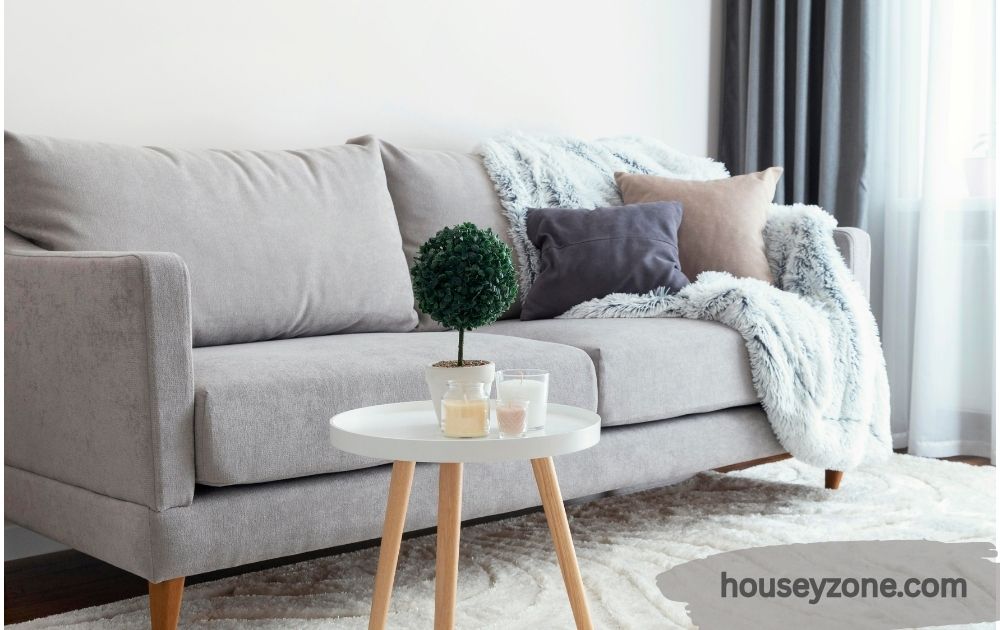
When it comes to creating a modern, stylish, and cozy home, the combination of a grey sofa with a grey carpet is a timeless choice. Grey is versatile, elegant, and surprisingly warm when styled correctly. But, how do you prevent your living space from looking too bland or “washed out”? That’s where thoughtful design tricks come in.
Let’s dive into how you can create a stunning interior using this classic duo.
Why Grey is the New Neutral
Grey as a Timeless Choice
Grey has taken over beige and cream as the go-to neutral. Unlike stark white, grey adds depth and sophistication without overwhelming the space.
Psychological Effects of Grey Tones
Grey tones can make a room feel calm and balanced. Depending on the shade, it can be warm and inviting or cool and refreshing.
The Versatility of Grey Sofas
A grey sofa works like a blank canvas. You can dress it up with vibrant cushions or keep it simple for a minimalist look.
Different Shades of Grey
From soft dove grey to dramatic charcoal, each shade brings its own personality to the room.
Fabric and Texture Variations
- Velvet grey sofas feel luxurious.
- Linen or cotton sofas bring casual comfort.
- Leather grey sofas give a sleek, modern vibe.
Grey Carpets: A Foundation for Style
Your carpet sets the tone of the entire space.
Light vs Dark Grey Carpets
- Light grey carpets open up the room.
- Dark grey carpets ground the space and add drama.
Patterns and Plain Designs
- Plain grey carpets = minimalist elegance.
- Patterned grey carpets = more personality and style.
Combining Grey Sofa with Grey Carpet
The key is balance.
Creating Harmony in Design
Pairing similar shades can create a seamless flow in your living area.
Avoiding a Dull Look
Add contrast with textures, accent colors, and lighting.
Playing with Textures
Textures bring grey to life.
- Velvet sofas + shaggy carpets = luxurious feel.
- Linen sofas + flat-weave carpets = airy and casual.
Layering with Accent Colors
Grey pairs beautifully with nearly any accent.
Bold Accent Colors
Mustard, navy, emerald green, or burgundy create bold pops of color.
Subtle Pastel Touches
Blush pink, soft lavender, or mint green add a softer, calming feel.
Adding Depth with Lighting
Lighting can completely transform grey interiors.
Warm vs Cool Lighting
- Warm lights create coziness.
- Cool lights highlight modern design.
Floor Lamps and Ceiling Lights
Mixing statement lamps with overhead lights adds dimension.
Complementing with Wall Colors
Neutral Wall Shades
Whites, beiges, or soft greys keep things calm.
Bold Wall Colors for Contrast
Dark blue, deep green, or even black walls can make your grey sofa and carpet pop.
Decor Accessories That Work Best
- Cushions and Throws: Layer textures and colors.
- Coffee Tables and Rugs: Break up the grey with wood, glass, or metallics.
Grey-on-Grey in Small Spaces
Grey is great for compact areas when styled carefully.
Making Compact Rooms Look Bigger
Light grey carpets and sofas create the illusion of space.
Avoiding a Heavy Atmosphere
Introduce mirrors, glass tables, and light curtains.
Grey Sofa & Grey Carpet in Minimalist Design
Grey is a natural fit for minimalist aesthetics. Keep accessories simple and choose clean-lined furniture.
Mixing Grey with Metallic Accents
Grey looks stunning when paired with metallic finishes.
- Silver and chrome enhance modern vibes.
- Gold and brass add warmth and elegance.
Styling for Different Seasons
Cozy Winter Vibes
Add chunky knit throws, fur cushions, and warm lighting.
Fresh Summer Looks
Bring in light cotton throws, greenery, and pastel accents.
Common Mistakes to Avoid
- Using only one shade of grey.
- Ignoring lighting.
- Forgetting to add textures and accents.
FAQs
Is it okay to have a grey sofa and a grey carpet in the same room?
Yes! With the right accents and textures, it creates a modern and elegant look.
What color cushions go best with a grey sofa?
Mustard, navy, blush pink, emerald green, and neutral tones all look stunning.
Will a grey carpet make my room look dark?
Not if you balance it with good lighting, light-colored walls, and reflective décor.
Can I use patterned carpets with a grey sofa?
Absolutely. A patterned carpet adds personality and breaks up the monotony.
What wall colors go with a grey sofa and carpet?
Soft whites, warm beiges, deep blues, and forest greens are all excellent choices.
Conclusion
A grey sofa with a grey carpet might sound like a simple pairing, but it’s one of the most versatile and stylish combinations in interior design. With the right balance of textures, colors, and lighting, you can create a space that’s cozy, elegant, and timeless. Grey isn’t boring—it’s a blank canvas waiting for your personal touch.
Color Drenched Room: A Bold Approach to Interior Design
Have you ever walked into a room and instantly felt wrapped in a wave of color? That’s the magic of a color drenched room. Unlike minimalist designs that stick to soft neutrals, this style embraces bold hues from ceiling to floor, creating an immersive experience. It’s not just about painting a wall; it’s about transforming a space into a vivid expression of personality and mood.
What Does “Color Drenched Room” Mean?
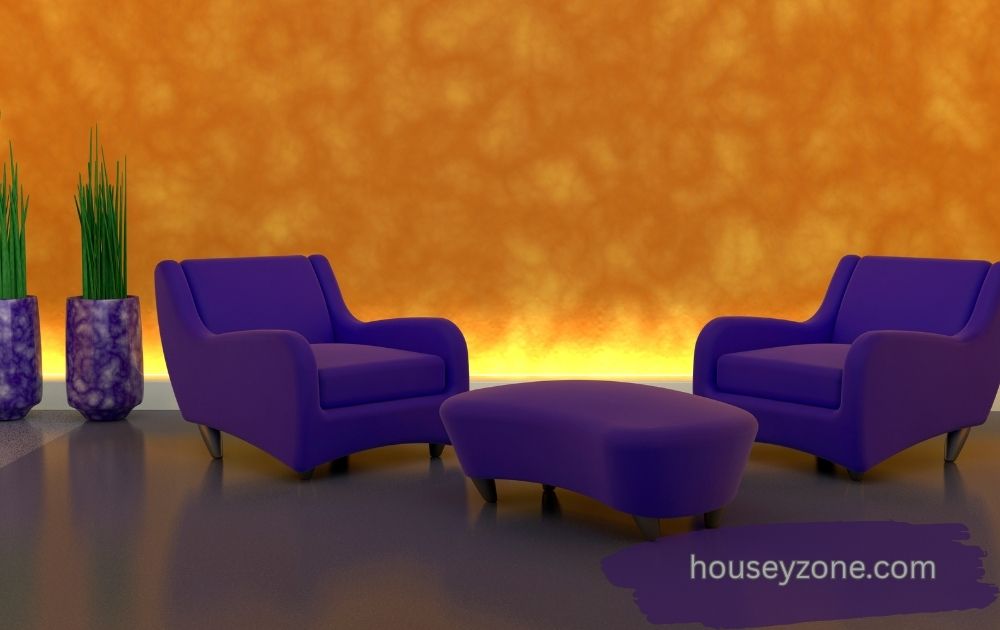
A color drenched room is a space where one color dominates across walls, ceilings, furniture, and décor. Instead of scattering color as accents, the entire room is bathed in rich tones. Think of it like diving into a pool of color you don’t just dip your toes; you’re surrounded by it completely.
Why This Trend Is Gaining Popularity
After years of neutral interiors, homeowners and designers crave vibrancy. Color drenched rooms provide a sense of drama, coziness, and emotional depth. They stand out on social media, spark conversation, and offer an antidote to plain, cookie-cutter spaces.
The Psychology of Color
Colors are more than decoration they influence how we feel, behave, and even think.
How Colors Influence Mood
The shades you choose can energize, soothe, or even inspire creativity. A fiery red can make a room feel alive, while a deep blue can transform it into a sanctuary of calm.
The Emotional Impact of Bold Palettes
Bold palettes can spark confidence and creativity. A color drenched room becomes a stage for emotions, making your home feel personal and alive.
Warm Tones for Energy and Passion
Colors like red, orange, and gold bring warmth, intensity, and excitement perfect for living rooms or dining spaces where lively interactions happen.
Cool Tones for Calm and Serenity
Shades of blue, green, and lavender create a peaceful environment, ideal for bedrooms, reading nooks, or spa-inspired bathrooms.
Planning a Color Drenched Room
Start With a Vision
Before grabbing a paintbrush, visualize the story your room should tell. Do you want a moody retreat, a cheerful haven, or a sophisticated lounge?
Choosing the Right Color Scheme
The scheme defines the mood.
Monochromatic vs. Contrasting Colors
Monochromatic rooms stick with one dominant shade but vary in lightness and intensity. Contrasting schemes bring two bold hues together for a striking look.
Balancing Light and Dark Shades
To avoid monotony, mix lighter and darker versions of your chosen hue. This creates depth and keeps the room from feeling flat.
Techniques for Drenching a Room in Color
Painting Walls and Ceilings
For true immersion, don’t stop at the walls extend color to ceilings, trims, and even floors. This eliminates visual breaks and makes the room feel complete.
Colorful Furniture Choices
Furniture can reinforce the drenched effect. Sofas, cabinets, and tables in the same hue amplify the theme while keeping consistency.
Layering with Textiles and Accessories
Curtains, Rugs, and Cushions
Textiles are your secret weapon. A velvet sofa, patterned rug, or heavy curtains in matching tones complete the saturated vibe.
Artwork and Decorative Pieces
Art and accessories in complementary shades add personality and stop the room from feeling monotonous.
Benefits of a Color Drenched Room
Creates Immersive Atmosphere
A color drenched room feels like stepping into another world. It’s bold, unapologetic, and unforgettable.
Adds Character and Personality
Neutral spaces can sometimes feel generic. A drenched room, on the other hand, reflects individuality and creativity.
Breaks the Minimalist Norm
While minimalism still has its place, saturated interiors celebrate maximalism, making your home a canvas for self-expression.
Common Mistakes to Avoid
Overpowering the Space
Too much of one color without variation can feel claustrophobic. Balance with textures, patterns, or subtle accent tones.
Ignoring Natural Light
Light changes how colors appear. Test shades in natural daylight before committing.
Forgetting Balance with Neutrals
While drenched spaces are bold, small doses of neutrals like wood tones or metallics help ground the design.
Color Drenched Room Styles
Modern and Minimalist Drenched Looks
Even modern spaces can go drenched with sleek furniture and bold, solid blocks of color.
Bohemian Boldness
Layer jewel tones, textiles, and patterns for a rich, eclectic look that feels warm and inviting.
Luxurious Jewel-Toned Interiors
Emerald, sapphire, and ruby-inspired rooms create a sense of opulence and grandeur.
Small Room, Big Impact
Making Small Spaces Feel Larger with Color
Surprisingly, dark saturated colors can make small rooms feel more expansive by blurring boundaries.
Strategic Use of Mirrors and Lighting
Mirrors reflect light and color, while warm lighting enhances saturation without overwhelming.
How to Maintain a Color Drenched Room
Keeping Colors Fresh and Vibrant
Regular cleaning of painted surfaces and textiles ensures colors don’t fade or dull.
Seasonal Switch-Ups for Flexibility
Swap pillows, throws, or small décor items seasonally to refresh the look without repainting.
FAQs About color drenched room
What’s the difference between color drenched and accent walls?
A color drenched room immerses the entire space in one color, while an accent wall highlights just one section.
Can I use multiple colors in one drenched room?
Yes, but keep them within a cohesive palette to avoid clashing.
Do color drenched rooms work for small apartments?
Absolutely. Bold colors can add depth and make small spaces feel dramatic rather than cramped.
How do I stop my room from feeling overwhelming?
Incorporate texture, neutrals, and lighting to soften intensity.
What colors are best for bedrooms?
Soft blues, greens, and muted purples promote rest and relaxation, making them perfect for bedrooms.
Conclusion
A color drenched room isn’t just a design trend it’s a bold statement of personality, creativity, and mood. Whether you choose deep jewel tones or soft monochromes, the key is balance, intention, and emotional connection. If you’re ready to move beyond neutral minimalism, color drenching might just be the artistic transformation your home needs.
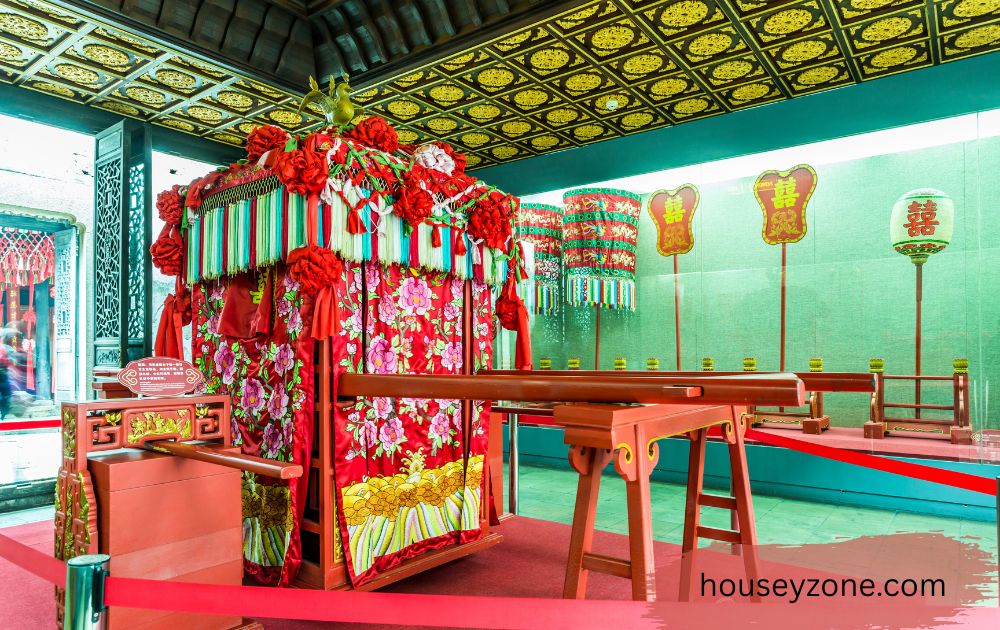
Chinese Wedding Bed: Traditions, Symbolism, and Modern Adaptations
Chinese weddings are full of beautiful rituals, each carrying a deep symbolic meaning. Among them, the Chinese wedding bed holds one of the most sacred places. It’s not just about preparing a bed for the bride and groom it’s a ritual of blessings, fertility, and prosperity. For centuries, families have treated the wedding bed as a foundation of married life, ensuring that love, harmony, and fortune follow the couple throughout their journey together.
The History of the Chinese Wedding Bed
The tradition of preparing a wedding bed dates back thousands of years in China. In ancient times, a bed was seen as the heart of family life, where new generations would be conceived and nurtured. During the imperial era, elaborate wedding beds with carvings of dragons and phoenixes symbolized wealth and fertility. Over time, regional variations emerged northern China emphasizing bright red linens, while southern regions focused on elaborate bed-making ceremonies involving extended family.
Symbolism of the Chinese Wedding Bed
Every element of the Chinese wedding bed carries symbolic meaning. Placement of the bed follows feng shui principles, ensuring harmony and avoiding bad energy. Red, the dominant color, stands for happiness, luck, and prosperity. Items like fruits, nuts, and seeds are placed on the bed to represent fertility and the wish for many children. It’s a visual blessing every object tells a story of love, luck, and legacy.
Preparing the Chinese Wedding Bed
Preparation of the bed is often done by a “good fortune woman”, typically someone who is married, blessed with children, and respected in the family. This person brings her positive energy to the ritual. Red sheets and embroidered pillows with dragons and phoenixes are used, symbolizing balance between male and female. Children, often boys, are invited to jump on the bed, which is believed to bring blessings of fertility.
Rituals Performed Around the Wedding Bed
One of the most well-known practices is the An Chuang ceremony, where elders and family members make the bed while reciting blessings. Food items like red dates, lotus seeds, peanuts, and longans are placed on the bed to symbolize fertility and abundance. Elders may also place lucky coins or red envelopes for prosperity. Through these rituals, the bed becomes a vessel of blessings for the couple’s future.
Symbolic Items Used in Decorating the Wedding Bed
Decorations are not just for beauty they’re full of meaning. The Double Happiness (囍) character is often displayed, representing marital joy. Peanuts (花生) mean “having children early,” while lotus seeds and red dates wish for continuous generations. Lucky coins hidden in the bedding are symbols of wealth and security. Each item ensures that the couple begins their new life with blessings from all sides.
The Role of Feng Shui in the Wedding Bed Tradition
Feng Shui is central to the placement of the wedding bed. It should never face directly toward doors or mirrors, which may symbolize conflict or outside interference. Instead, it’s placed in a position that ensures harmony and intimacy. Feng Shui masters often guide families, suggesting placements and colors that enhance fertility and positive energy for the couple.
Differences Between Urban and Rural Practices
In modern cities, wedding bed rituals are often simplified. Couples may simply decorate their bedroom with red linens and a few symbolic items. In rural areas, however, the rituals remain elaborate, with extended family gathering to bless the couple. While urban lifestyles lean toward convenience, rural families preserve the depth of tradition, ensuring that the symbolism remains alive.
Modern Adaptations of the Chinese Wedding Bed
Today, many couples mix tradition with modern aesthetics. While some still use embroidered silk linens, others prefer contemporary red-themed bedding that blends into modern interior design. Western influences have also crept in, with couples adding floral arrangements or personalized decor. Social media and wedding photography now play a big role, making the decorated wedding bed not just a ritual but also a picture-perfect moment.
Misconceptions About the Wedding Bed Tradition
Some believe the tradition is only about fertility, but it’s more than that it’s about unity, luck, and blessings. Others think it’s outdated, but in reality, many young couples still embrace it in creative ways. Outsiders may misunderstand the rituals as superstitious, but within Chinese culture, they are seen as acts of respect and continuity.
The Emotional and Spiritual Value of the Tradition
Beyond symbolism, the tradition creates a bond between families. Preparing the bed is often a family event, where blessings are passed down from elders to the younger generation. It reflects cultural identity and helps couples feel connected to their roots. Spiritually, it reassures the couple that their marriage begins with harmony and divine blessings.
Global Influence of the Chinese Wedding Bed
Chinese communities abroad continue to honor the tradition, whether in Malaysia, Singapore, or Western countries with large Chinese populations. In fact, many non-Chinese people have shown interest in the symbolism, adopting parts of the ritual into multicultural weddings. This shows how the tradition has grown beyond borders, becoming a universal celebration of love and family.
The Future of the Chinese Wedding Bed Tradition
Like many traditions, the wedding bed ritual faces challenges in a fast-paced world. Some young couples may skip it for convenience, while others choose modern interpretations. Yet, as cultural pride grows, more couples are finding ways to preserve these customs. The tradition continues to evolve, balancing between ancient meaning and modern lifestyles.
FAQs About Chinese Wedding Bed
What is the purpose of the Chinese wedding bed tradition?
It symbolizes fertility, prosperity, and blessings for the newlywed couple’s future.
Who prepares the Chinese wedding bed?
A “good fortune woman” who is happily married with children is usually chosen for this honor.
Why is red used in the wedding bed?
Red symbolizes luck, happiness, and prosperity in Chinese culture.
What foods are placed on the wedding bed?
Items like peanuts, red dates, lotus seeds, and longans are placed for fertility and abundance.
Is the Chinese wedding bed tradition still practiced today?
Yes, though some modern couples simplify or adapt it, the tradition remains alive both in China and abroad.
Conclusion
The Chinese wedding bed tradition is more than just preparing a place for rest it’s a deeply meaningful ritual that blesses a couple’s marriage with harmony, fertility, and prosperity. From ancient roots to modern adaptations, it reflects the importance of family, culture, and shared blessings. Even as times change, this tradition endures as a beautiful reminder that love and heritage are meant to be cherished.
Plum Pebbles: A Complete Guide to Their Beauty and Uses
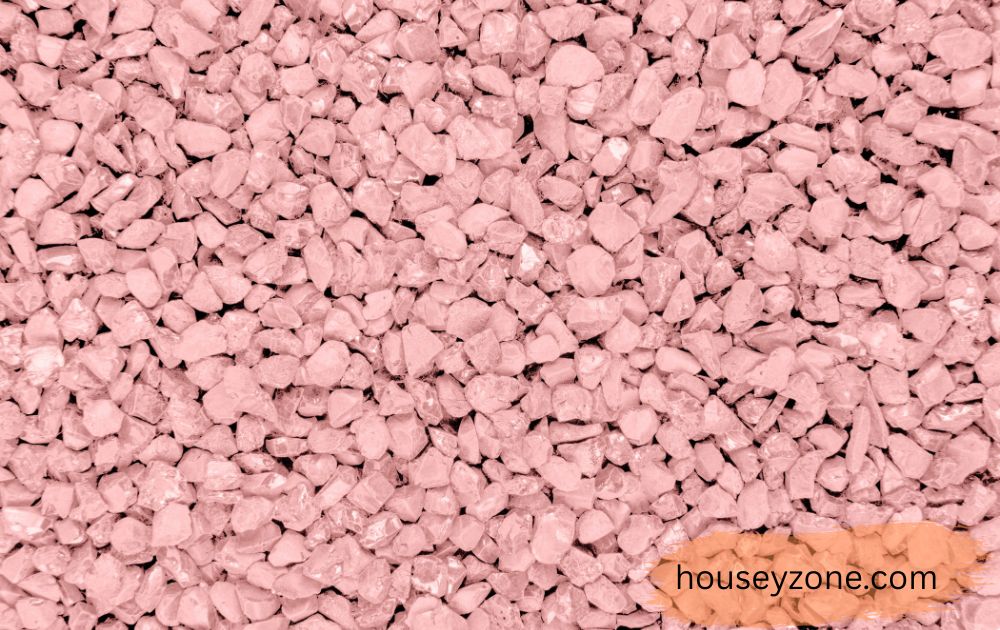
Plum pebbles are small yet striking natural elements that bring beauty, calmness, and creativity into various aspects of life. Whether scattered in a garden, placed in a decorative bowl, or used in a mindful practice, these smooth, plum-colored stones hold a charm that captivates anyone who comes across them. Their soft hues and delicate textures make them a timeless choice for both practical and aesthetic purposes.
What Are Plum Pebbles?
Plum pebbles are naturally occurring or polished stones that come in shades resembling rich plums. They may vary in size, ranging from tiny smooth pebbles to larger rounded stones. Some are naturally shaped by rivers and seas, while others are refined by artisans to enhance their beauty. Unlike ordinary stones, their distinct color and texture make them stand out in decorative and spiritual contexts.
Natural vs. Artificial Plum Pebbles
Natural plum pebbles are formed over centuries by natural elements like water and wind, giving them a unique, authentic appeal. Artificial ones, on the other hand, are often dyed or polished to mimic the natural look but provide more consistency in color and size. Both have their own charm depending on the intended use.
The Unique Appeal of Plum Pebbles
There is something deeply calming about plum pebbles. Their gentle tones bring warmth to spaces, and their smoothness invites touch. Many people feel an emotional connection to them, associating the plum color with tranquility, renewal, and grounding energy.
Colors and Textures of Plum Pebbles
Plum pebbles are not limited to a single shade. They may range from soft lavender-like hues to deep, rich purples with hints of grey or red. Their textures also vary some are polished to a glossy finish, while others retain a natural matte look. This variation makes them versatile for different design styles.
Formation of Plum Pebbles
Plum pebbles are shaped over time through geological processes. Flowing rivers smooth their edges, while natural minerals within them create stunning colors. This process can take hundreds of years, making each pebble a small piece of natural history that carries the story of the earth within it.
Decorative Uses of Plum Pebbles
One of the most popular uses of plum pebbles is in decoration. Their subtle charm makes them ideal for home and garden décor. You might see them filling vases, surrounding candles, or scattered on tabletops to create a peaceful atmosphere. In gardens, they add elegance to pathways, water features, and flower beds. Even aquariums benefit from their natural beauty, giving aquatic spaces a touch of color and serenity.
Plum Pebbles in Landscaping
Landscaping is one area where plum pebbles truly shine. They can line pathways to create a natural yet artistic look. Flower beds bordered with these pebbles look more defined and stylish, while rock gardens become more visually striking with their deep tones. Their durability also makes them a practical choice for outdoor use.
Healing and Spiritual Significance
For centuries, stones and pebbles have been linked to healing and energy balance. Plum pebbles, with their soothing color, are often used in meditation and mindfulness practices. Many believe they help reduce stress and promote inner peace. Their grounding energy makes them popular in creating meditation spaces or simply as small tokens carried for balance and calm.
Plum Pebbles in Art and Craft
Artists and crafters love plum pebbles for their versatility. They can be painted, engraved, or even used to create jewelry. A polished plum pebble can become a pendant, while a collection of hand-painted stones can serve as unique gifts or keepsakes. Their natural beauty combined with human creativity gives them endless possibilities.
Interior Design Applications
In interior design, plum pebbles add a touch of natural elegance. They are often used in spa-like bathrooms, giving a sense of relaxation and harmony. Minimalist homes also benefit from their presence a bowl of plum pebbles on a coffee table can act as a simple yet stylish centerpiece. They blend effortlessly with modern, rustic, or even bohemian themes.
Plum Pebbles in Cultural Contexts
Across cultures, pebbles and stones often symbolize strength, stability, and connection to nature. Plum pebbles, with their unique color, have been associated with prosperity, healing, and beauty. In some traditions, they are used as tokens of love, given as small gifts that carry meaningful symbolism.
Eco-Friendly Aspects
Choosing plum pebbles as décor is an environmentally friendly choice. Unlike synthetic decorative items, they are natural, durable, and reusable. They do not require harmful chemicals for upkeep, making them a sustainable way to beautify both indoor and outdoor spaces.
How to Care for Plum Pebbles
Caring for plum pebbles is simple. Regular rinsing with water keeps them clean, and occasional polishing helps maintain their shine. Avoid harsh chemicals, as they may dull the natural colors. With proper care, plum pebbles can retain their beauty for years.
Where to Find Plum Pebbles
Plum pebbles can be found in local garden centers, home décor shops, and online marketplaces. Depending on your preference, you can choose natural river stones or polished, decorative varieties. Many suppliers also offer them in bulk for landscaping projects.
FAQs About Plum Pebbles
1. What makes plum pebbles unique compared to other pebbles?
Plum pebbles stand out because of their rich, plum-like shades and their versatile use in both décor and spiritual practices.
2. Can I use plum pebbles in aquariums?
Yes, plum pebbles are safe for aquariums as long as they are cleaned properly before use.
3. How can I maintain the shine of polished plum pebbles?
Simply rinse them with clean water and occasionally polish with a soft cloth to maintain their natural glow.
4. Are plum pebbles eco-friendly?
Yes, they are natural, reusable, and sustainable, making them an environmentally friendly décor choice.
5. Where can I buy plum pebbles in bulk?
You can purchase them from garden supply stores, home décor shops, or trusted online marketplaces.
Concusion
Plum pebbles are more than just stones; they are natural treasures that bring beauty, calm, and meaning into everyday life. From gardens to living rooms, from art projects to meditation spaces, they serve countless purposes while reminding us of the quiet elegance of nature. Their versatility and symbolism make them a timeless choice for anyone looking to add a touch of nature’s charm into their surroundings.
Border for Plants: Creative Ideas to Beautify Your Garden
A garden is more than just soil and plants it’s a living piece of art. One of the easiest ways to transform an ordinary garden into something eye-catching is by adding border for plants. Borders not only enhance beauty but also bring order and structure to your outdoor space. Whether you prefer rustic charm or modern elegance, the right border can make all the difference.
Why Plant Borders Matter
Enhancing Garden Aesthetics
A well-placed border acts like a picture frame, highlighting the beauty of your plants. It adds a finished look and helps your garden stand out.
Creating Definition and Structure
Borders help separate flower beds from lawns or pathways. This clear separation makes the garden look organized and easy to maintain.
Practical Benefits for Plant Health
Beyond looks, borders protect plants by keeping soil and mulch in place, preventing erosion, and discouraging weeds from creeping in.
Popular Materials for Plant Borders
Natural Stone Borders
Timeless and durable, stones add a rustic charm. They blend beautifully with nature, making them a favorite for cottage-style gardens.
Wooden Edging
Wood offers warmth and a natural look. From logs to planks, it’s versatile and affordable, though it may need occasional maintenance.
Metal and Steel Borders
Sleek and modern, metal borders create clean lines. They are highly durable and perfect for contemporary gardens.
Brick and Concrete Edging
Strong and classic, brick and concrete are excellent for permanent solutions. They also give a neat, uniform appearance.
Plastic and Rubber Options
Lightweight and easy to install, these are budget-friendly options. Recycled rubber borders are particularly eco-conscious.
Creative Border Ideas
Recycled and Upcycled Materials
Old bottles, tiles, or reclaimed wood can turn into charming borders. These not only save money but also add personality.
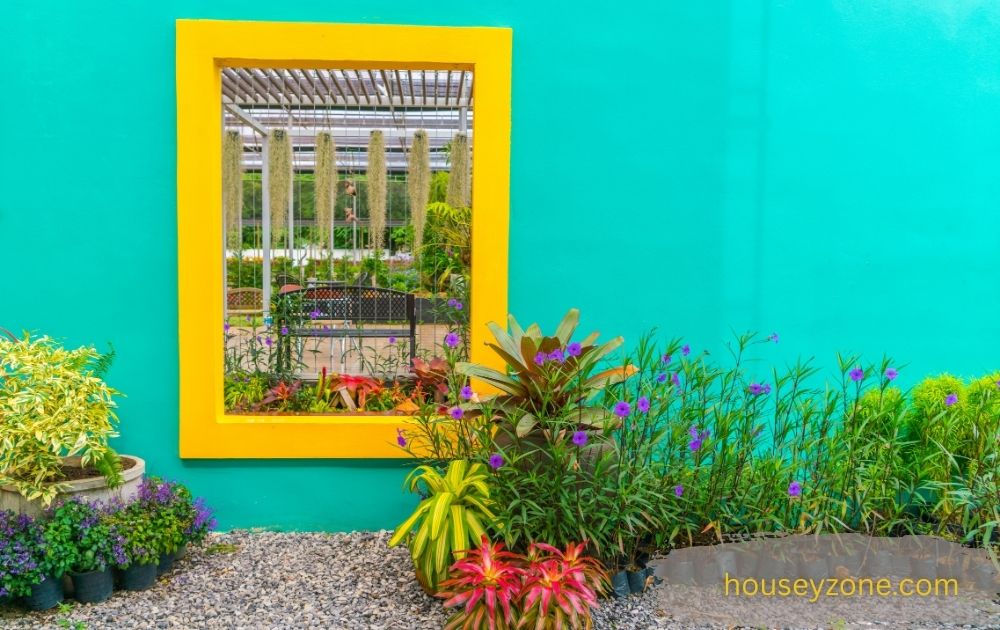
Decorative Gravel and Pebble Borders
Pebbles create soft, natural-looking edges. They also allow water drainage, making them both beautiful and functional.
Living Plant Borders
Instead of hard materials, use plants like lavender, boxwood, or ornamental grasses to form a living, breathing border.
How to Choose the Right Border for Your Plants
Matching with Garden Style
A rustic garden pairs well with wood or stone, while a modern landscape may benefit from sleek steel or concrete.
Budget Considerations
If you’re working with a tight budget, recycled materials or plastic edging can still create a neat effect without overspending.
Durability and Maintenance
Consider how much time you want to spend maintaining borders. Stones and metals last longer, while wood may need treatment.
DIY Plant Border Tips
Simple Techniques for Beginners
Start small with easy materials like pebbles or logs. Lay them evenly and adjust as needed no special skills required.
Tools You’ll Need
A shovel, garden spade, measuring tape, and gloves are enough for most DIY projects.
Mistakes to Avoid
Don’t skip planning. Uneven lines or poorly installed borders can make a garden look messy instead of polished.
Seasonal Plant Border Ideas
Spring and Summer Inspirations
Bright flowers like marigolds or petunias make great living borders. Pair them with colorful stones for a cheerful look.
Autumn and Winter Designs
Evergreen plants, mulch, or rustic wood borders keep your garden looking lively even in colder months.
Eco-Friendly Border Options
Sustainable Materials
Choose recycled wood, reclaimed stone, or rubber made from old tires to reduce waste and support green living.
Natural Plant Edges
Herbs like thyme or rosemary not only form borders but also add fragrance and usefulness in the kitchen.
FAQs About Border for Plants
1. What is the cheapest way to create a border for plants?
Using recycled materials like old bottles, reclaimed wood, or gravel is a cost-effective and creative option.
2. Which plant is best for a natural border?
Boxwood, lavender, and ornamental grasses are popular choices for living plant borders.
3. Do borders really help prevent weeds?
Yes, borders help keep mulch in place and create a barrier that reduces weed invasion.
4. How long do wooden borders last?
With proper treatment, wooden borders can last 5–10 years, though they may require occasional maintenance.
5. Can I install garden borders without professional help?
Absolutely. Many DIY-friendly materials like pebbles, logs, and plastic edging are easy to install at home.
Conclusion
Borders for plants are more than just decoration they’re functional, practical, and a reflection of your personal style. Whether you go for rustic stones, sleek metal, or vibrant plant edges, the right border transforms your garden into a welcoming and well-structured space. With a little creativity, even the simplest materials can create stunning results.
Color Comeback: Why Homes Are Ditching Minimalism for Vibrant Living
For over a decade, minimalism ruled the interior design world. White walls, gray furniture, and a sparse aesthetic signaled modernity. But as trends shift and people crave warmth and personality in their living spaces, a new wave has taken over: colorful, like Slotsgem, expressive home design. And it’s not just about making a house look fun it’s about making it feel like you.
In this article, we’ll explore why minimalism is taking a backseat, how bright interiors are making a comeback, and how to reimagine your own space without turning it into a visual circus.
The Shift Away from Minimalism
Minimalism had its time. It was clean, calm, and easy to maintain. But during lockdowns and long work-from-home months, many began to feel disconnected from their own living environments. Neutral tones no longer sparked joy. Enter the color renaissance.
Why People Are Choosing Color Now
1. Emotional Boost
Mood can be influenced by color as bright red and warm orange stimulate, soft blue relaxes, and green steadies the nerves.
2. Personal Expression
Having spent years in white boxes, homeowners are ready to display personality. Your home needs to be a home to you even before it can be a home to anyone, and whether it be of soft vibes or daring statements, it ought to appeal to what you are interested in.
3. Revolt Against Conformity
The minimalism beige wave transformed houses into a catalog. Human beings are no longer interested in mass-appealing beauty.
New Generations, New Priorities
This colorful revival is being led by the generations of millennials and Gen Z. Such groups place importance on individuality and innovativeness, even in household design. Forums such as Pinterest, TikTok, and Instagram have made radical interior design an aesthetic and a phenomenon.
Stylish Ways to Embrace Color Without Going Overboard
But being bold does not imply heavily coating all the walls with neon. It is all about deliberate splashes of life that create a sense of liveliness in your space but at the same time make it harmonious.
List: Easy Color Upgrades That Work
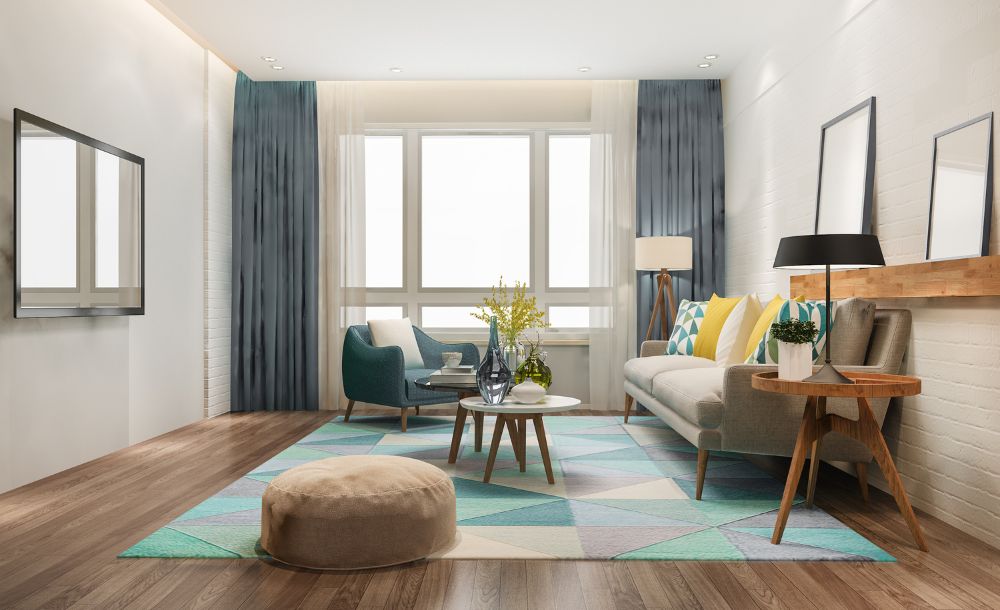
- Accent Walls: One brightly painted wall adds punch without overpowering.
- Colorful Sofas or Armchairs: Trade neutral furniture for jewel tones or deep pastels.
- Statement Art Pieces: A large, bright canvas can transform an entire room.
- Bold Rugs: Patterned rugs in lively colors bring both comfort and visual intrigue.
- Mixed Material Fixtures: Lamps or vases with colorful ceramic finishes can create eye-catching points.
Balance Is Key
If you’re worried about creating chaos, use this simple rule: three-color maximum. Pick one main color, one accent, and one neutral to ground the space. This ensures cohesion even when you’re working with bold elements.
Creative Corners for Modern Living
As people spend more time at home, multifunctional spaces are becoming the norm. Rooms aren’t just for one purpose anymore they’re evolving into creative zones that inspire productivity and leisure.
Nooks That Work for You
- Reading corners with bright throws and shelves of colorful books.
- Art spaces featuring painted walls or mood boards that spark imagination.
- Work-from-home desks styled with patterned wallpaper and vivid desk accessories.
These small zones can lift the mood and create areas you genuinely enjoy spending time in.
Mixing the Old with the New
A popular 2025 design trend is blending retro elements with modern color schemes. Think:
- Mid-century furniture in updated color palettes
- Vintage posters or tapestries paired with modern lighting
- Family heirlooms surrounded by bright walls or abstract patterns
This mix adds charm and makes your home feel lived-in and authentic.
Final Thoughts – Make Home Feel Like You
Minimalism is something that will never go away, but it is no longer the monopolist of what is considered the right way to design. Homeowners are now desperate to have fun, character, and a feeling of being away in their homesteads. As much as it makes a difference whether you are adding a mustard-yellow armchair or you are painting your hallway in emerald green, the new rule is simple: do what feels good.
Home means that you are supposed to be at your best. Therefore, painting a mural on a living room wall or picking a lemon-yellow kitchen chair should be fine. The future of home design is audacious, intimate, and bright.