


Fix a Leaky Faucet with 7 Essential Steps to Stop Drips
Fix a leaky faucet is one of the most common household plumbing issues that many people encounter. Not only is the constant drip of water annoying, but it can also lead to higher water bills and potential water damage over time. Learning how to fix a leaky faucet yourself can save you money and give you a sense of accomplishment. This guide will walk you through the steps involved in fix a leaky faucet, from identifying the type of faucet to replacing faulty components.
Understanding the Type of a Leaky Faucet
Before diving into the repair process, it’s important to know what type of faucet you are dealing with. There are four main types of faucets, each with different mechanisms and repair requirements.
Compression Faucets
Compression faucets are easily recognized by their two separate handles for hot and cold water. They operate using rubber washers that compress to stop the flow of water. Over time, these washers can become worn or damaged, leading to leaks. These types of faucets are typically found in older homes and require regular maintenance due to the wear and tear on the washers.
Ball Faucets
Ball faucets are commonly used in kitchens and have a single handle that moves over a rounded ball-shaped cap right above the base of the spout. The handle controls both the temperature and flow of water. Inside the faucet, there are several small components including springs, rubber seats, and a rotating ball. Due to the complexity of their internal mechanisms, ball faucets can be more challenging to repair but are durable when properly maintained.
Cartridge Faucets
Cartridge faucets may have one or two handles. When turned, the handle moves a cartridge that controls the water flow. These faucets are known for their reliability and ease of repair. If a cartridge faucet leaks, the solution is often as simple as replacing the cartridge itself. These faucets are commonly used in both kitchens and bathrooms.
Ceramic Disk Faucets
Ceramic disk faucets represent a more modern and durable option. They feature a single lever that controls both temperature and flow. Inside, they have a pair of ceramic disks that regulate the water. While they are less prone to leaking, repairs can be slightly more expensive due to the cost of ceramic components. However, their longevity often makes up for the initial investment.
Tools and Materials Needed
To properly fix a leaky faucet, having the right tools and materials is crucial. An adjustable wrench is necessary for loosening and tightening fittings. Screwdrivers, both Phillips and flat-head, are needed to remove screws from handles and decorative caps. Depending on the type of faucet, you will also need specific replacement parts such as rubber washers, O-rings, or cartridges. Plumber’s grease is essential for lubricating new parts and ensuring a good seal. Towels or rags help in keeping the workspace clean and dry, while a bucket can be placed under the sink to catch any residual water.
Guide to Fix a Leaky Faucet
A leaky faucet may seem like a minor inconvenience, but it can lead to significant water waste and costly utility bills over time
Turn Off the Water Supply
Begin by locating the water shut-off valves under the sink. Turn these valves clockwise to stop the flow of water. If individual shut-off valves are not available, you will need to turn off the main water supply to the house. This is a critical first step to prevent water from spilling while you work on the faucet.
Plug the Drain
Use a sink plug or place a rag in the drain to block it. This precautionary measure prevents any small screws or components from accidentally falling down the drain, which can complicate the repair process.
Disassemble the Faucet
Carefully remove the decorative caps on the faucet handles. Use a screwdriver to remove the screws beneath the caps and take off the handles. With the handles removed, use an adjustable wrench to unscrew the packing nut and access the inner components of how to fix a leaky faucet. Take note of the order and orientation of parts as you remove them.
Inspect and Replace Worn Parts
Examine the washers, O-rings, or cartridges for any signs of damage, such as cracks, flattening, or corrosion. If any components are worn out or broken, replace them with new ones that match the faucet’s specifications. It is helpful to take the old parts to a hardware store to find exact replacements.
Apply Plumber’s Grease
Before reassembling the faucet, apply a thin layer of plumber’s grease to the new components. This step helps ensure a proper seal and smooth operation. It also extends the life of the parts by reducing friction and wear.
Reassemble the Faucet
Carefully reassemble all the components in the reverse order of disassembly. Insert each part back into its original place, ensuring everything fits snugly. Tighten the packing nut and screws securely, but be careful not to over-tighten as this could damage the parts.
Turn the Water Supply Back On
Slowly turn the water shut-off valves back on and check for leaks. Test the faucet by turning it on and off several times. Ensure that the flow of water is smooth and that no dripping occurs. If everything looks good, you’ve successfully fixed the leaky faucet.
Common Mistakes to Avoid
Even simple fix a leaky faucet can go wrong if common mistakes are made during the process. Over-tightening parts, skipping essential steps, or using incorrect components can lead to recurring leaks or further damage. Being aware of these pitfalls will help ensure a smooth and lasting repair.
Over-Tightening Screws and Nuts
While it’s important to secure components, applying too much force can strip threads or crack delicate parts. Always tighten fittings just enough to form a good seal without damaging the components.
Using Incorrect Replacement Parts
Using the wrong type or size of replacement parts can cause persistent leaks and even damage the faucet. Ensure you match the new parts with the original ones. Taking the old parts to a store for comparison or consulting the manufacturer’s specifications can help avoid this issue.
Skipping Plumber’s Grease
Plumber’s grease plays a crucial role in maintaining a smooth operation and preventing leaks. Skipping this step can lead to increased wear and may cause the faucet to start leaking again shortly after the repair.
Conclusion
To fix a leaky faucet is a straightforward DIY task that can save you from unnecessary water wastage and high utility bills. By identifying the type of faucet and following the correct steps, you can address the problem effectively. With the right tools and a bit of patience, even novice DIY ers can manage this repair with ease. Proper maintenance and timely repairs will ensure that your faucet continues to function efficiently for years to come.
FAQs
Q1: How long does it take to fix a leaky faucet?
Most repairs can be completed in under an hour, depending on the complexity of the faucet. Some repairs might take longer if you are unfamiliar with the process or if the faucet is older and has corroded parts.
Q2: Can a leaky faucet increase my water bill?
Yes, even a small drip can waste gallons of water over time, significantly impacting your water bill. Addressing the issue promptly can lead to substantial savings.
Q3: What if my faucet is still leaking after replacing the washer?
If replacing the washer doesn’t solve the issue, the valve seat might be damaged or the entire cartridge may need replacement. In such cases, further inspection or professional help may be necessary.
Q4: Do I need to call a plumber for a leaky faucet?
Not necessarily. Most leaky faucets can be fixed with basic tools and replacement parts. However, if you’re uncomfortable with plumbing work or the problem persists despite your efforts, it’s advisable to consult a professional plumber.
Q5: How do I know which type of faucet I have?
You can identify the faucet type by its appearance and mechanism. For example, compression faucets have two handles, while ball and ceramic disk faucets usually have one. If unsure, search for the brand and model online or consult the manufacturer’s manual for details.
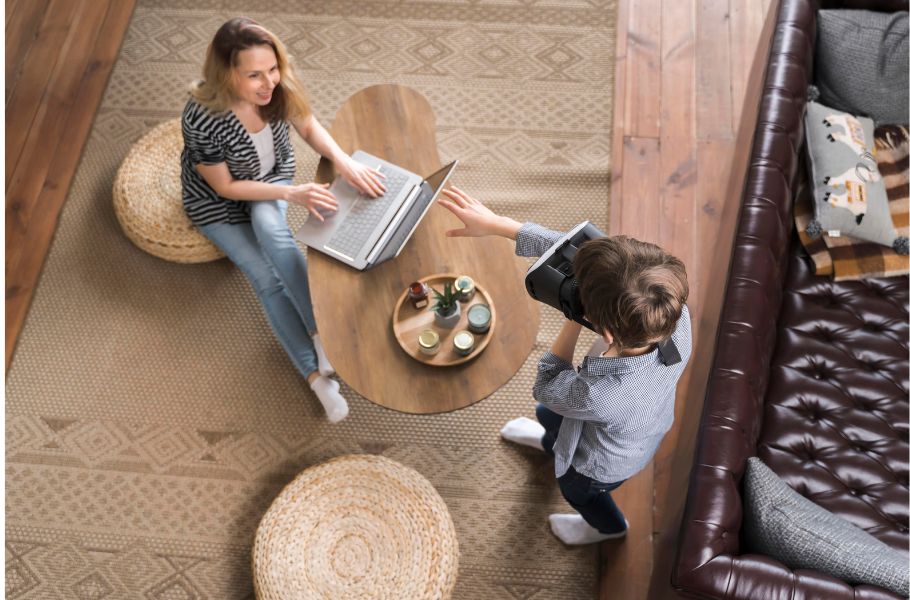
5 Carpet Placement Complete Guides to Enhance Your Space
Proper carpet placement can dramatically enhance the aesthetics, comfort, and functionality of any interior space. Whether you are redesigning your home or setting up a commercial office, understanding how to strategically place carpets is key. This comprehensive guide covers everything from the basics of carpet positioning to advanced tips for every room type.
Why Carpet Placement Matters?
Carpet placement affects both the visual appeal and usability of a room. When placed correctly, carpets can define areas within a space, improve acoustics, add warmth and comfort, anchor furniture, and elevate the overall interior design. Incorrect placement, however, can make a room look awkward, cluttered, or disproportionate.
Key Considerations of Carpet Placement
Understanding the foundational aspects of a room is crucial before deciding where to place your carpet. A well planned placement considers multiple variables including room size, furniture, usage, and style coordination. Ignoring these elements can lead to an unbalanced or impractical interior.
Room Size and Shape
The dimensions and layout of a room are fundamental in determining the ideal carpet size and placement. In spacious rooms, large area rugs help divide the space into functional zones like seating or dining areas. In contrast, smaller rooms benefit from carpets that don’t overcrowd but rather create an illusion of openness. Round carpets can soften the sharp corners in rectangular rooms, while rectangular rugs complement linear room designs.
Furniture Layout
Proper carpet placement ensures harmonious integration with your furniture. It’s generally advisable for a carpet to either accommodate all major furniture pieces or at least the front legs. This provides stability and cohesion. For example, in a living room, a rug that fits beneath the coffee table and touches the front legs of the sofa and chairs anchors the space visually.
Purpose of the Room
The room’s function plays a significant role in deciding carpet placement. In a bedroom, comfort and warmth are priorities, making plush carpets ideal. In contrast, hallways and kitchens require practical, durable rugs that withstand heavy use. The carpet should enhance the usability of the space like placing a rug under the dining table to define the eating area while also protecting the floor.
Color and Pattern Coordination
Harmonizing the carpet’s color and design with the overall room palette ties everything together. Neutral rugs can balance bold decor, while patterned carpets can add character to minimalist settings. Placement should ensure the design is visible and not completely hidden under furniture. Lighter shades make rooms appear more spacious, whereas darker tones add depth and coziness.
Carpet Placement Tips by Room Type
Different rooms have different layout dynamics. The following guidelines help you make informed decisions about carpet placement in each space of your home or office.
Living Room
The living room is often the focal point of a home, making it a critical area for strategic carpet placement. A well positioned rug defines the seating arrangement and adds warmth to the room.
Full Underlay Method
In this method, the rug is large enough to fit under all the major furniture pieces including the sofa, chairs, and coffee table. It creates a unified, grounded look and prevents furniture from shifting. This approach is especially effective in large or open plan living rooms.
Front Leg Rule
This cost effective alternative places only the front legs of furniture pieces on the carpet. It visually connects the items without requiring a large rug. This method is ideal for smaller rooms or when working with a tighter budget.
Bedroom
Bedrooms are personal sanctuaries where comfort is paramount. Carpet placement here focuses on providing a warm surface underfoot while enhancing the cozy ambiance.
Under Bed Placement
One common practice is to place a large rug under the bed, extending out on both sides and at the foot. This ensures you have a soft surface to step onto each morning and creates a balanced look.
Runners Beside the Bed
For smaller bedrooms or minimalist decor, narrow runners on either side of the bed offer a practical and aesthetic solution. They provide warmth and style without overwhelming the space.
Dining Room
In dining rooms, the carpet should serve both decorative and functional roles. It must accommodate chairs being pulled out while also protecting the floor.
All Legs on the Carpet
The golden rule is to select a carpet that is large enough for all dining chairs to sit fully on the rug, even when extended. This avoids tripping hazards and ensures uniform wear. A flat weave or low pile rug is often preferred for easy cleaning.
Hallways and Entryways
These transitional spaces experience high foot traffic and benefit from the right carpet choice and positioning.
Center Alignment
Place a runner or area rug centered along the hallway length. It creates a visual guide and makes the space appear longer. Ensure consistent space between rug edges and walls for symmetry.
Non Slip Backing
Safety is crucial in these areas. Opt for rugs with non slip backings or use rug pads to prevent sliding and bunching. Choose durable materials like jute or synthetic fibers for longevity.
Home Office
A home office rug should balance comfort with functionality. It should also support ergonomic furniture arrangements.
Desk Centric Placement
The carpet should sit under the desk and the area where the chair rolls, allowing free movement. It should also be large enough to reduce noise and add a sense of structure to your workspace.
Kids’ Room
Children’s rooms require soft, safe, and creative carpet placements to encourage play and safety.
Soft and Safe Zones
Use high pile or padded rugs in common play areas like near the bed or in front of toy storage units. Bright colors and educational patterns can also contribute to the room’s theme while offering tactile engagement.
Special Carpet Placement Techniques
Sometimes, traditional carpet placements aren’t enough. Advanced techniques can enhance aesthetic appeal and express creativity.
Layering Rugs
Layering involves placing a smaller, decorative rug over a larger, neutral base. This technique adds texture and contrast, particularly in eclectic or bohemian interiors. Use this to define focal areas or add seasonal flair.
Diagonal Placement
Angling a rug diagonally in a room can break up symmetry and introduce a dynamic visual element. This is particularly effective in square or plain rooms where straight lines dominate the design.
Wall to Wall Carpeting
Wall to wall carpets provide a seamless look and maximize underfoot comfort. This style is suitable for bedrooms and living areas where you want to reduce noise and increase insulation. Ensure professional installation for a wrinkle free finish.
Common Carpet Placement Mistakes
Avoiding common pitfalls ensures your carpet placement is both beautiful and practical.
Choosing the Wrong Size
Selecting a carpet that’s too small is a frequent mistake. It creates a floating effect and disrupts the room’s balance. Measure your space carefully and opt for a rug that complements the layout and furniture.
Ignoring Floor Patterns
Mismatching rug placement with existing floor patterns like tile or wood grain can cause visual clutter. Align the rug with these patterns to maintain harmony and prevent visual disorientation.
Overlooking Functionality
While aesthetics matter, functionality should never be compromised. A stunning rug that trips people or wears out quickly is not practical. Match the carpet type and placement with the room’s activity level.
Carpet Placement for Commercial Spaces
In commercial environments, carpets do more than just enhance aesthetics they influence brand perception and user experience.
Office Lobbies
The lobby is the first point of contact for visitors. A large, elegant carpet can create a welcoming atmosphere and convey professionalism. Choose colors that align with the brand’s identity.
Meeting Rooms
Carpets in meeting rooms should promote focus and reduce noise. Place a large rug under the central table, ensuring all chairs are accommodated even when pulled back. Opt for sound absorbing materials.
Retail Stores
In retail spaces, carpets can guide customer flow and highlight key products. Use them to subtly lead customers toward displays or checkout areas. Durability and ease of maintenance are essential.
Seasonal Carpet Rearrangement
Updating carpet placement with the seasons keeps your interior fresh and in tune with climate changes. Use thicker, plush rugs in winter to add warmth and insulation. Switch to light, breathable rugs in summer for a cooler ambiance. This also helps extend the life of your carpets by distributing wear.
Conclusion
Proper carpet placement is both an art and a science. It enhances interior design, improves comfort, and defines spatial organization. Whether you’re decorating a residential room or a commercial space, thoughtful carpet placement adds value and personality to your environment.

6 Winterizing a House Comprehensive Guides for Your Home Cold Weather
Winterizing a house not only ensures a comfortable living environment but also protects your property from damage caused by freezing temperatures, snow, and ice. As the temperatures drop and winter approaches, preparing your home for the cold months ahead becomes essential. In this guide, we will delve deep into the process of winterizing a house, offering both conventional tips and unique, innovative ideas to achieve a warm, energy efficient home.
Why Winterizing Matters?
Failing to properly prepare your home for winter can result in increased energy bills, frozen pipes, roof damage, and more. Winterizing your house minimizes these risks and helps maintain the value and integrity of your property. Proper winterization can also prevent unexpected emergencies and costly repairs, especially in older homes where insulation and infrastructure may not meet modern standards.
Step by Step Process for Winterizing a House
Successfully winterizing your home involves careful preparation across structural, mechanical, and exterior systems. Below are the three essential steps to guide you through the process:
Inspect and Maintain Your Heating System
Before winter sets in, have your furnace or heating system inspected by a professional. Clean or replace filters, check for leaks in the ductwork, and ensure the thermostat is functioning correctly. Schedule a service appointment early to avoid peak season delays.
Smart Thermostat Installation
Consider installing a smart thermostat. These devices allow you to control your home’s temperature remotely, optimize energy usage, and even learn your preferences over time. Smart thermostats can also integrate with weather forecasts to adjust heating in anticipation of temperature drops.
Seal Windows and Doors
Drafts around windows and doors are one of the leading causes of heat loss during winter.
Weatherstripping and Caulking
Apply weatherstripping to doors and caulk to any gaps around windows. This helps maintain indoor temperature and reduces heating costs. Focus on areas like door thresholds, window sashes, and electrical outlets on exterior walls.
Thermal Curtains
Use thermal or insulated curtains to block cold air from seeping into your rooms. Open them during sunny days to let in warmth and close them at night to retain heat.
Insulate Your Home
Proper insulation is crucial in keeping your house warm.
Attic and Basement Insulation
Make sure your attic and basement are well insulated. Heat rises and can escape through the roof if not properly contained. Adding loose fill or batt insulation can greatly improve thermal resistance (R value).
Pipe Insulation
Wrap pipes in insulation foam to prevent them from freezing and bursting during extremely cold temperatures. Pay special attention to pipes in unheated areas such as garages, crawl spaces, and exterior walls.
Check and Clean Gutters
Leaves and debris in gutters can cause water buildup and ice dams, which may damage your roof.
Heated Gutter Systems
Invest in a heated gutter system to melt snow and prevent ice buildup. This technology is especially beneficial for homes in heavy snowfall areas and helps maintain roof integrity.
Service the Fireplace and Chimney
If you use a fireplace, have it inspected and cleaned before winter. Ensure that the flue is functioning properly and there is no creosote buildup, which can be a fire hazard.
Install a Chimney Balloon
A chimney balloon can block drafts when the fireplace is not in use. It also prevents pests and debris from entering through the chimney.
Test Smoke and Carbon Monoxide Detectors
With heating systems running, the risk of carbon monoxide exposure increases. Test your detectors and replace batteries if needed. Consider installing additional detectors in bedrooms and near major heating appliances.
Winterizing a House Exterior Sprinklers
Drain outdoor faucets and irrigation systems to avoid pipe bursts. Disconnect hoses, shut off water supply to exterior taps, and use compressed air to clear irrigation lines.
Use Insulated Faucet Covers
These inexpensive covers prevent freezing and damage to outdoor spigots. They’re easy to install and can be reused each year.
Protect Your Roof
Heavy snowfall can put a lot of weight on your roof. Make necessary repairs and ensure proper ventilation to avoid condensation issues. Use a roof rake to remove excess snow. This prevents ice dams and structural damage. Always rake snow off starting from the edge and working upward. Have a professional inspect your roof for loose shingles, cracks, or other vulnerabilities. Pay attention to flashing around chimneys and skylights.
Unique Winterizing a house Ideas
Magnetic window insulation uses magnetic strips to attach and remove insulating acrylic panels over windows with ease. And many more ideas
Radiant Floor Heating
Radiant floor heating is an innovative way to keep your home warm. It’s energy efficient and provides consistent warmth throughout the space. It’s especially ideal for bathrooms and kitchens where tile floors can become very cold.
Energy Efficient Window Film
Apply a heat shrink window film to reduce heat loss through glass. This method is both affordable and effective. It also reduces condensation and protects against UV rays.
Insulated Garage Doors
Often overlooked, garages can be a significant source of heat loss. Upgrade to an insulated garage door or add insulation panels to the existing one. Install weather stripping along the bottom seal.
Smart Leak Detectors
Install smart leak detectors near water heaters, washing machines, and under sinks. These devices can alert you to leaks before they become major problems, even sending alerts to your smartphone.
Plant Windbreaks
Landscaping can play a role in winterizing your home. Planting evergreen trees and shrubs around your home can act as a natural windbreak, reducing wind chill and heating costs. Properly placed trees can reduce heating needs by up to 30%.
Use Draft Stoppers and Door Snakes
Place draft stoppers at the base of doors to keep cold air out. These can be homemade or purchased and are a simple, cost effective solution. Consider using them for interior doors to unheated rooms.
Reflective Heat Panels
Install reflective panels behind radiators to bounce heat back into the room rather than letting it escape through walls. These are particularly effective on exterior facing walls.
Upgrade to Triple Glazed Windows
For those in particularly harsh climates, triple glazed windows offer superior insulation compared to standard double glazed models. They reduce outside noise and enhance home security as well.
Utilize Solar Gains
Maximize natural heat by opening curtains on south facing windows during the day. Close them at night to retain the heat. Consider installing passive solar shades to optimize this effect.
Home Energy Audit
Hire a professional to conduct an energy audit. This provides a detailed analysis of your home’s energy use and identifies areas for improvement. Some utility companies offer this service for free or at a reduced cost.
Final Preparations Before the Cold Sets In
- Stock up on winter essentials like salt, shovels, and heating fuel.
- Check weather stripping on garage doors.
- Reverse ceiling fans to push warm air down.
- Store patio furniture and cover outdoor grills.
- Replace summer items in your emergency kit with winter necessities like blankets, flashlights, batteries, and a portable heater.
- Clean dryer vents and ensure they’re properly sealed to prevent cold air intrusion.
- Ensure backup generators are functioning and have adequate fuel supply.
Conclusion
Winterizing a house is more than a seasonal chore it’s a vital step in safeguarding your home, reducing energy costs, and ensuring a comfortable living space during the colder months. By implementing both standard practices and innovative solutions like radiant floor heating or smart leak detectors, you can create a warm, energy efficient home that stands up to winter’s challenges. A proactive approach not only enhances your comfort but also preserves the structural integrity of your home. Whether you live in a mild climate or a snow prone region, winterization is a wise investment that yields both short term comfort and long term savings.
FAQ’s About winterizing a house
When is the best time to start winterizing a house?
Early autumn is ideal. This gives you ample time to inspect, repair, and install necessary items before temperatures drop significantly.
Can I winterize my house on a budget?
Yes. Many winterizing steps, like sealing drafts or insulating pipes, are low cost and highly effective.
How do I know if my insulation is sufficient?
Conducting a home energy audit or consulting with an insulation expert can provide specific insights into your home’s insulation needs.
Is it worth investing in smart home devices for winter?
Absolutely. Devices like smart thermostats and leak detectors can save money in the long run and provide added safety.
Do I need to winterize a new home?
Yes. Even new homes can benefit from winterizing to improve energy efficiency and prevent unexpected issues.

7 Sustainable Cleaning Powerful Benefits for Greener Home
Sustainable cleaning in an era where environmental degradation and climate change have become pressing global concerns, it has gained significant momentum. It represents a conscious effort to shift from conventional, chemical laden cleaning practices to methods that prioritize environmental preservation, human health, and long term ecological balance. Sustainable cleaning is not merely a trend but a fundamental shift in how we perceive hygiene and responsibility. This comprehensive guide explores the facets of sustainable cleaning, its benefits, methodologies, applications across different sectors, and actionable steps for implementation.
What is Sustainable Cleaning?
Sustainable cleaning is the practice of maintaining cleanliness using methods and products that are safe for human health and the environment. It emphasizes reducing toxic chemicals, conserving natural resources, and minimizing waste to promote long-term ecological balance
Core Principles of Sustainable cleaning
Sustainable cleaning refers to the practice of using cleaning methods and products that are safe for both human health and the environment. These methods aim to minimize pollution, reduce waste, conserve resources, and create a healthier living and working environment.
Components of Sustainable Cleaning
Eco friendly cleaning uses products made with biodegradable, natural ingredients, free from harmful chemicals such as phosphates and chlorine. Packaging is also a focus, with sustainable options including refillable containers and materials made from consumer waste. Equipment like high efficiency vacuums and low flow water systems help reduce energy and water consumption.
Benefits of Sustainable Cleaning
It supports better human health by avoiding toxic chemicals that can cause respiratory or skin issues. Economically, it offers long-term savings through efficient products and reduced healthcare costs.
Environmental Benefits
Switching to sustainable cleaning significantly reduces pollution and environmental damage. Harsh chemicals are kept out of water systems, protecting aquatic life and reducing issues like eutrophication. Sustainable products are often packaged in eco friendly materials, leading to less landfill waste and lower carbon emissions.
Health Benefits
Many traditional cleaners emit volatile organic compounds (VOCs) and other toxins that can cause respiratory issues, skin irritations, and long term health concerns. Sustainable alternatives, being non toxic and hypoallergenic, are safer for people with sensitivities, children, and pets.
Economic Advantages
Though eco friendly products may have higher upfront costs, they are often more concentrated, meaning less product is needed per use. In addition to saving money over time, users also benefit from reduced health care costs and environmental remediation expenses.
Social and Ethical Impact
Using sustainable products demonstrates a commitment to ethical living. Supporting companies that prioritize fair labor, cruelty free testing, and responsible sourcing helps build a better world while encouraging widespread environmental consciousness.
Methods of Implementing Sustainable Cleaning
Implementing sustainable cleaning involves choosing certified eco-friendly products and adopting DIY solutions using natural ingredients.
Choosing Green Products
When selecting cleaning products, it’s important to look for trusted eco labels such as Green Seal, EcoLogo, or the EPA’s Safer Choice. These certifications confirm that the products meet rigorous environmental and health standards.
DIY Cleaning Solutions
Homemade cleaning solutions offer a low cost, sustainable alternative to store bought products. Simple ingredients like vinegar can disinfect and deodorize, while baking soda scrubs surfaces and eliminates odors. Lemon juice adds antibacterial properties and a fresh scent. Essential oils such as tea tree or lavender provide additional antimicrobial benefits.
Energy and Water Conservation
Adopting simple habits like using cold water for cleaning can reduce energy use. Replacing older appliances with energy efficient washers, vacuums, and dishwashers also contributes to sustainability. Installing motion sensor faucets and timers on cleaning systems can prevent excessive water and power consumption.
Proper Waste Management
A key aspect of sustainable cleaning involves careful waste management. Separating recyclables, compostables, and landfill waste ensures that materials are properly processed. Replacing disposable paper towels with washable cloths and composting organic matter like citrus peels from DIY solutions further reduces landfill contributions.
Training and Education
Training plays a vital role in implementing sustainable cleaning practices. Employees or household members should be educated on identifying safe products, correct usage procedures, and the importance of reducing waste and conserving resources.
Sustainable Cleaning in Different Settings
Each setting requires tailored approaches that balance hygiene, safety, and environmental impact. From green products to efficient technologies, every space can contribute to a cleaner planet.
Residential Cleaning
Households can begin by replacing all purpose chemical cleaners with certified green alternatives. Purchasing concentrated formulas and using refill stations can minimize packaging waste. Choosing durable, washable cleaning tools such as microfiber mops and cloths helps reduce dependency on disposables.
Commercial Cleaning
Businesses benefit from developing formal green cleaning policies. An internal sustainability audit can help identify existing inefficiencies. Contracting cleaning services that are certified for eco friendly practices ensures compliance with green standards and boosts a company’s environmental reputation.
Industrial Cleaning
In industrial environments, sustainability involves switching to biodegradable degreasers, implementing systems that recycle water, and reducing reliance on disposable protective equipment when safe to do so. This can be paired with ongoing audits and upgrades to environmentally responsible technologies.
Healthcare Facilities
Sustainable cleaning in healthcare settings must balance hygiene with safety. UV light and steam based cleaning methods offer chemical free disinfection. Choosing fragrance free, hypoallergenic cleaning products and regularly training medical staff in their proper use are essential.
Challenges of Sustainable Cleaning
Despite its benefits, sustainable cleaning faces challenges such as higher upfront costs, limited product availability, and consumer skepticism. Green washing and misleading labels can make it hard to identify truly eco-friendly products. Additionally, resistance to change can hinder widespread adoption.
Cost Concerns
The upfront investment in green products and new technologies can be a hurdle. However, these costs often pay off over time through savings on materials, waste disposal, and improved health outcomes.
Availability of Products
Eco friendly cleaning products are not always readily available, particularly in rural or underserved regions. This can hinder the transition to sustainable cleaning for some consumers.
Resistance to Change
Shifting from traditional methods can be difficult. Long standing habits, concerns about efficacy, or lack of awareness may result in reluctance to adopt sustainable alternatives.
Innovations in Sustainable Cleaning
Recent innovations include technologies like steam cleaning, UV disinfection, and enzyme-based cleaners that reduce reliance on harsh chemicals
Advanced Cleaning Technologies
Modern technology has made sustainable cleaning more accessible and effective. Steam cleaning, which sanitizes using only heat and water, eliminates the need for harsh chemicals. UV disinfection provides a contactless, residue free cleaning solution. Electrolyzed water systems convert salt and water into powerful cleaners using electricity completely eliminating chemical additives.
Smart Cleaning Systems
Automation and sensor technologies help reduce waste and improve efficiency. Smart cleaning robots ensure consistent sanitation while conserving resources. Motion activated dispensers for soap, sanitizer, and paper reduce overuse and unnecessary waste.
Sustainable Packaging
Manufacturers are rethinking product packaging to reduce environmental impact. Biodegradable bottles and refill stations lower plastic waste. Concentrated formulas that require less packaging are becoming more mainstream.
Enzyme Based Cleaners
Instead of relying on synthetic chemicals, enzyme based cleaners use natural biological processes to break down stains and odors. These are particularly effective for organic messes and are safe to use around children, pets, and food surfaces.
The Role of Policy and Regulation
Government policies and corporate initiatives are driving the adoption of sustainable cleaning through incentives, standards, and environmental regulations
Government Initiatives
Policies supporting green initiatives are on the rise. Subsidies, grants, and tax incentives help offset the cost of sustainable products and technologies. Some governments mandate eco friendly cleaning standards in public buildings and schools.
Corporate Responsibility
More corporations are adopting environmental, social, and governance (ESG) frameworks. These often include sustainability metrics related to cleaning and maintenance, which can improve brand reputation and stakeholder confidence.
International Standards
Organizations such as the International Organization for Standardization (ISO) and Leadership in Energy and Environmental Design (LEED) provide benchmarks for sustainable operations. ISO 14001 sets requirements for environmental management systems, while LEED promotes green building and maintenance practices.
How to Get Started with Sustainable Cleaning
Begin by assessing your current cleaning practices to identify areas for improvement. Gradually replace harmful products with eco-friendly alternatives while educating everyone involved
Assess Your Current Practices
Begin with a simple audit. List all cleaning products, tools, and procedures currently in use. Identify which are potentially harmful to health or the environment, and determine where changes can be made.
Make a Gradual Transition
Start with small changes. Replace the most harmful products first, then introduce reusable tools and efficient appliances. This phased approach makes the shift more manageable and sustainable.
Educate and Involve Everyone
Engage all stakeholders in the transition process. Whether it’s household members, employees, or cleaning staff, ensuring that everyone understands the goals and practices of sustainable cleaning increases compliance and success.
Monitor and Improve
Track your progress by measuring reductions in waste, product usage, and utility bills. Adjust practices as necessary and keep up to date with new technologies and products.
Conclusion
Sustainable cleaning is a transformative approach that benefits not just the environment, but also public health, community welfare, and economic efficiency. By embracing eco friendly practices and making conscious choices, individuals and organizations can make a significant impact. The journey towards sustainability requires commitment, education, and the willingness to adopt new habits, but the rewards are immense a cleaner, healthier planet and a more responsible society.
FAQ’s About sustainable cleaning
Is sustainable cleaning as effective as traditional cleaning?
Yes, when selected and used properly, sustainable cleaning products and methods can match or even exceed the effectiveness of traditional chemical based cleaning solutions.
Are sustainable cleaning products more expensive?
While the initial cost may be higher, many eco friendly products are concentrated, requiring less per use.
Can I make my own sustainable cleaning products at home?
Absolutely. Common household ingredients like vinegar, baking soda, and lemon juice can be used to create effective, safe, and inexpensive cleaning solutions.

5 Kitchen idea Adorable Interior Design and Home Decor
The kitchen idea is the heart of every home. It is more than just a place for cooking; it is a space where family bonds are strengthened, memories are made, and culinary creativity is unleashed. As such, designing and decorating your kitchen in a way that reflects your personality and caters to your practical needs can make a world of difference. Whether you’re working with a small space or a large one, here are five adorable interior design and home décor ideas to improve your kitchen idea, making it more stylish, functional, and inviting.
Incorporate Open Shelving
Open shelving adds a light, open feel while enhancing accessibility.
It’s perfect for displaying everyday essentials and decorative pieces like plants or ceramics.
With proper organization, it balances style and function, giving your kitchen idea a curated look.
The Appeal of Open Shelving
Open shelving is a major trend in interior design. It offers a light and airy feel that enclosed cabinets often lack. These shelves provide an excellent opportunity to showcase your favorite dishware, glassware, or even charming decorative pieces like small potted plants or vintage cookbooks.
Functionality Meets Aesthetics
Not only does open shelving enhance visual appeal, but it also improves functionality. You can easily access the items you use most, making cooking and cleaning more efficient. To keep things tidy and aesthetically pleasing, consider color-coding your dishes or grouping similar items together.
Styling Tips
- Use wooden shelves for a rustic or farmhouse look.
- Install floating shelves for a minimalist modern appeal.
- Combine decorative items with everyday kitchen essentials.
Add Color Through Backsplash and Cabinets
Adding color through backsplashes and cabinets instantly brightens and personalizes your kitchen idea.
Bold hues or soft pastels can create a focal point and enhance the overall mood of the space.
This simple upgrade brings life and character without a full renovation.
Why Color Matters in the Kitchen idea
Color has the power to transform any space, and the kitchen is no exception. A colorful backsplash or vibrant cabinets can act as a focal point, injecting personality and warmth into your kitchen.
Choosing the Right Colors
Soft pastels like mint green or baby blue offer a calming effect. Bold hues like navy blue, mustard yellow, or forest green create a dramatic flair. Neutral colors with colorful accents can strike a perfect balance.
Color Placement
Paint the lower cabinets in a bold color while keeping upper ones neutral. Choose a patterned or mosaic tile backsplash for visual interest. Coordinate with other accessories like rugs, dish towels, or bar stools.
Create a Cozy Nook or Breakfast Bar
A cozy nook or breakfast bar adds warmth and functionality to your kitchen idea. It creates a comfortable space for casual meals, coffee breaks, or conversations. With the right seating and lighting, it becomes an inviting corner of your home.
The Value of a Kitchen idea Nook
A cozy nook or breakfast bar adds a touch of charm and comfort to your kitchen. It creates a casual space for quick meals, coffee breaks, or socializing with family and guests.
Design Elements for a Cozy Space
Add a built-in bench with storage underneath. Use plush cushions and throw pillows for added comfort. Incorporate a small round or rectangular table depending on space.
Breakfast Bar Ideas
- Install a narrow bar counter along a wall or island.
- Use stylish stools that complement your kitchen design.
- Add pendant lighting above the bar area for a warm ambiance.
Upgrade Lighting Fixtures for Ambiance
Upgrading lighting fixtures enhances both the ambiance and functionality of your kitchen.
Layered lighting ambient, task, and accent creates a well lit and inviting atmosphere.
Stylish fixtures like pendants or under-cabinet lights add charm and modern flair.
Importance of Lighting in Kitchen idea Design
Lighting plays a crucial role in both the functionality and aesthetics of your kitchen. The right lighting can enhance mood, highlight key areas, and make daily tasks easier.
Types of Lighting to Consider
- Ambient Lighting: General overhead lights that illuminate the entire space.
- Task Lighting: Focused lights for specific work areas like countertops and sinks.
- Accent Lighting: Decorative lights that highlight artwork, shelves, or unique design features.
Stylish Lighting Fixtures
For a touch of sophistication, a small chandelier can act as a statement piece in the center of the kitchen or above a dining nook. Opt for modern, minimalist designs or vintage-inspired ones based on your overall kitchen style. Under Cabinet Lighting or puck lights installed under cabinets provide practical task lighting while adding a sleek, modern look. They’re great for illuminating countertops and enhancing visibility during food prep. These are ideal for kitchens with lower ceilings. They offer good ambient lighting and are available in many stylish designs from rustic wood and metal combos to clean, contemporary glass fixtures.
Personalize with Artistic and Green Touches
Personalizing your kitchen idea with art and greenery adds warmth and character to the space. Wall art, chalkboards, or framed prints reflect your style, while indoor plants bring freshness and color. These small touches make the kitchen feel more lived-in and uniquely yours.
Artistic Elements
Adding art to your kitchen idea can make it feel more like an extension of your home. Choose pieces that reflect your personality, such as food-themed prints, inspirational quotes, or abstract designs.
Indoor Plants and Herbs
Greenery brings life and freshness to any space. Small potted plants or a windowsill herb garden can add color and improve air quality.
DIY and Custom Options
Create a gallery wall with framed prints or family photos. Use chalkboard paint on a section of the wall for recipes and notes. Display handmade ceramics or souvenirs from your travels.
Conclusion
Enhancing your kitchen with thoughtful interior design and décor choices can turn a mundane space into a vibrant, inviting area that you love to spend time in. Whether it’s the practicality of open shelving, the charm of a cozy breakfast nook, or the personal touch of artwork and greenery, each idea serves to elevate your kitchen both functionally and aesthetically. With creativity and a bit of effort, your kitchen can truly become the soul of your home.
FAQ’s about kitchen
Are open shelves hard to maintain in the kitchen?
Open shelves can collect dust and grease over time, but regular cleaning and strategic placement of frequently used items can keep them manageable and stylish.
What color should I avoid in a kitchen?
While personal taste matters most, overly dark colors in small kitchens can make the space feel cramped. Bright or neutral tones generally work better in compact areas.
Can I implement these ideas on a budget?
Absolutely. Many of these upgrades, like painting cabinets, installing shelves, or adding plants, can be done affordably with some DIY effort.
How do I choose the right lighting for my kitchen?
Focus on layering different types of lighting ambient, task, and accent to create a balanced and functional environment.

7 Powerful Simple Staging Concepts Instantly Transform Space
Simple Staging concepts are crucial parts of various fields such as theater, home design, software development, and marketing. The concept refers to the process of organizing, presenting, and preparing an environment or item in a way that makes it ready for public display, use, or performance. Simple staging concepts are foundational principles that ensure effective and efficient preparation, with minimal complexity.
Simple Staging Concepts in Theater
Simple staging concepts in theater focuses on clear actor positioning (blocking), effective use of minimal sets and props, and strategic lighting to convey mood and focus. These principles help tell the story visually and keep the audience engaged. The goal is clarity, economy, and seamless scene transitions.
Importance of Staging in Theater
Staging in theater involves the strategic arrangement of actors, props, lighting, and set designs to convey a story effectively to an audience. It helps to create an immersive experience that brings a script to life.
Basic Elements of Theatrical Staging
- Blocking: Refers to the precise staging of actors to tell the story visually.
- Set Design: The physical surroundings that establish time, place, and mood.
- Lighting: Enhances visibility, mood, and focus.
- Sound Design: Includes background music and effects to support the action.
- Props and Costumes: Small items and clothing that reflect character and context.
Principles of Simple Theater Staging
- Clarity: Ensure the audience clearly understands the scene.
- Focus: Direct attention to where it is needed using lighting and movement.
- Economy: Use minimal props and set pieces for a clean and efficient stage.
- Flow: Maintain seamless transitions between scenes.
Simple Staging Concepts in Home Design
Simple Staging Concepts in Home Design focus on preparing a property for sale or display by enhancing its visual appeal in a cost-effective and accessible way. The goal is to help potential buyers visualize themselves living in the space. Here’s a detailed look
1. Decluttering
- Remove excess furniture, personal items, and unnecessary décor to make the space look larger and cleaner.
- Organize closets, shelves, and storage spaces buyers often look inside them.
2. Neutralization
- Use neutral paint colors (like beige, gray, or soft white) to appeal to a wide range of tastes.
- Replace bold or personalized décor with universally appealing items such as simple art and minimalistic furniture.
3. Furniture Arrangement
- Arrange furniture to emphasize flow and functionality for example, create conversational seating areas in living rooms.
- Avoid blocking natural light sources and doorways.
4. Lighting
- Maximize natural light by opening curtains or using sheer coverings.
- Add table lamps or floor lamps to brighten dim areas and create a warm, inviting atmosphere.
5. Minor Repairs and Cleaning
- Fix visible flaws like chipped paint, leaky faucets, or squeaky doors.
- Deep clean every room, focusing especially on kitchens and bathrooms they should sparkle.
6. Curb Appeal
- Tidy the lawn, plant flowers, paint the front door, and clean walkways to make a strong first impression.
- Ensure the entryway is welcoming with a doormat, lighting, and perhaps a potted plant.
7. Depersonalization
- Remove family photos, name plaques, and other personal items so buyers can imagine the home as theirs.
- Use tasteful, impersonal accessories like books, neutral art, or plants.
8. Scent and Sound
- Use subtle air fresheners, fresh flowers, or baked goods aromas to create a welcoming smell.
- Soft background music can help set the mood during showings or open houses.
Key Benefits of Simple Staging:
- Makes the property look move-in ready.
- Helps buyers emotionally connect with the space.
- Often leads to quicker sales and higher offers.
Simple Staging Concepts in Software Development
Simple staging in software development refers to creating a pre productive environment that mirrors the live system for testing and validation. It ensures new features work correctly before public release, reducing bugs and deployment issues. Key practices include automation, real user testing, and environment consistency.
What is Staging in Software?
In software development, staging refers to the environment used to test a product before it goes live. It simulates the production environment to ensure that the application works as expected.
Key Components of Software Staging
- Staging Environment: A clone of the production environment.
- Testing: Involves user acceptance testing (UAT), performance testing, and bug fixing.
- Deployment Pipeline: Steps taken to move the application from development to production.
- Rollback Procedures: Plans in case of deployment failure.
Best Practices for Simple Software Staging
- Automate the deployment process
- Keep the staging environment identical to production
- Involve real users for UAT
- Maintain detailed logs for debugging
Importance of Simple Staging in Software
- Reduces the risk of bugs in production
- Enhances user experience
- Speeds up the development cycle
Simple Staging Concepts in Event Planning
Simple Staging Concepts involve organizing the physical setup, technical elements, and aesthetics of an event in a streamlined, effective way to ensure a smooth experience. Here are the key details:
1. Venue Layout
- Plan seating arrangements, stage positioning, and flow of traffic to optimize visibility and accessibility.
- Keep paths clear for guests and staff, ensuring smooth movement and emergency access.
2. Lighting and Sound
- Use basic, adaptable lighting setups (e.g., LED panels, uplighting) to highlight focal points and set the mood.
- Ensure sound systems are tested for clarity, coverage, and volume control.
3. Décor and Branding
- Use minimalistic, reusable décor elements that align with the theme (e.g., banners, centerpieces, signage).
- Incorporate branding subtly through colors, logos, and messaging.
4. Technical Simplicity
- Opt for plug-and-play AV equipment to minimize setup complexity.
- Use wireless or battery-powered devices where possible to reduce cord clutter and hazards.
5. Guest Comfort and Accessibility
- Provide clear signage and comfortable seating.
- Ensure ramps, restrooms, and pathways are accessible for all guests.
6. Contingency Planning
- Have backups for power, weather (in case of outdoor events), and AV equipment.
- Keep a simple checklist to track logistics and respond quickly to issues.
7. Coordination
- Communicate clearly with all vendors and staff.
- Use simple scheduling tools or apps to keep everyone aligned.
Simple staging in event planning is all about clarity, function, and ease creating a professional and pleasant experience without overcomplicating the setup
Conclusion
Simple staging concepts are the backbone of effective preparation across multiple industries. Whether it’s the drama of a theater performance, the appeal of a staged home, the reliability of a software launch, or the seamless flow of an event, simplicity in staging can make a profound impact. By focusing on essential elements and following best practices, one can achieve professional results with minimal complexity and maximum efficiency.
FAQs about simple staging concepts
What is the main goal of staging?
The primary goal of staging is to prepare a product, space, or event for optimal presentation, functionality, or performance.
Is staging necessary for small-scale projects?
Yes, even small projects benefit from staging as it ensures better outcomes and fewer issues during execution.
How does staging differ between industries?
While the core idea remains consistent preparation and presentation the specifics vary based on goals and audiences in each industry.
Can staging be done without professionals?
Absolutely. With basic knowledge and attention to detail, simple staging can be done effectively by individuals.
What are some common mistakes in staging?
Overcomplicating the setup, ignoring the audience’s perspective, and failing to test or rehearse are common pitfalls.
How can I learn more about staging?
Books, online courses, workshops, and hands on practice are great ways to deepen your understanding of staging in various fields.

8 Home Office Ideas: Transform Space into a Productive Haven
In recent years, home office ideas have become a necessity for many individuals. Whether due to the global pandemic or the increasing demand for flexible work arrangements, remote work is here to stay. As more people work from home, having a dedicated and well-designed workspace has become more important than ever.
A thoughtfully planned home office can boost productivity, improve focus, and positively impact your mental well being. However, creating a comfortable and efficient home office goes beyond just placing a desk and chair in a spare room. It requires attention to layout, furniture, lighting, and personalization. In this article, we’ll explore various home office ideas to help you build a space that promotes creativity, organization, and comfort.
Planning Your Home Office Ideas Layout
Planning your home office layout is crucial for building a workspace that’s both functional and comfortable. It starts with assessing your individual needs what kind of work you do, the tools you use, and the space available. A well organized layout ensures that essentials are within reach, distractions are minimized, and productivity is maximized.
Understanding Your Workspace Needs
Before diving into design, consider your specific work tasks. Do you primarily work on a laptop, or do you handle physical paperwork? Are video meetings part of your daily routine
These questions will help you define your needs clearly.
For example, someone using only a laptop may do fine with a compact desk. But if your job involves research, dual monitors, or lots of paperwork, you’ll need a larger desk with storage. Knowing your needs helps you choose the right furniture and layout from the start.
Creating a Functional Layout for Home Office Ideas
Once your needs are clear, focus on arranging your home office for efficiency. A functional layout means your space supports your daily workflow while staying tidy and distraction-free. Position your desk to get natural light without causing screen glare. A desk near a window but not directly in front can be ideal. Consider adding a secondary chair for reading or relaxing during breaks. And don’t forget about storage. Built in shelves, filing cabinets, or storage bins keep clutter under control and boost overall organization.
Essential Furniture for Your Home Office Ideas
Furniture is the backbone of every productive home office. The essentials include a supportive chair, a spacious desk, and smart storage. Your desk should accommodate all your equipment without feeling cramped. The chair should promote good posture, especially if you’re working long hours. Storage solutions like filing cabinets or shelves help keep the workspace neat and organized.
Choosing the Right Desk
The desk is the centerpiece of your home office ideas. It should match your work style, space, and design preferences.
If you’re limited on space, a smaller desk with minimal storage might suffice. For more intensive setups, consider a larger desk with built-in drawers or adjustable height features.
Standing desks or convertible desks offer flexibility and can improve your posture by allowing you to alternate between sitting and standing throughout the day.
Finding an Ergonomic Chair
An ergonomic chair is essential for maintaining good posture and avoiding strain during long hours at your desk. Look for a chair with adjustable height, lumbar support, and armrests to ensure that it fits your body and encourages healthy sitting posture.
The seat should be comfortable with sufficient padding, and the backrest should support the natural curve of your spine. A chair with adjustable tilt and recline options can also add flexibility, allowing you to change positions throughout the day. Investing in a high quality ergonomic chair can help prevent back pain and discomfort, making it a worthwhile purchase for your home office.
Adding Storage Solutions
Keeping your home office ideas organized is key to maintaining productivity. Without the right storage solutions, clutter can quickly accumulate and hinder your ability to focus.
Consider incorporating filing cabinets, shelving units, or storage bins to keep important documents and supplies out of sight but easily accessible. Wall mounted shelves can be particularly useful in smaller spaces, as they allow you to utilize vertical space without taking up floor space. For additional organization, desk organizers, drawer inserts, and cable management systems can help reduce clutter on your desk and keep things tidy.
Lighting and Ambience
Lighting and ambiance are crucial for creating a comfortable and productive home office ideas. Natural light boosts mood and focus, while adjustable artificial lighting can reduce eye strain during long hours. Personalizing the space with warm lighting and decor can create a cozy and inviting atmosphere that enhances your work experience.
Natural vs. Artificial Lighting
Proper lighting is essential for creating a comfortable and productive home office ideas. Natural light is ideal because it boosts mood, energy, and focus. If possible, position your desk near a window to take advantage of natural sunlight. However, avoid sitting directly in front of a window, as this can cause glare on your screen.
If natural light is limited, you’ll need to rely on artificial lighting. Opt for LED desk lamps with adjustable brightness settings to create the ideal lighting conditions. Warm toned bulbs can create a more relaxing atmosphere, while cool toned bulbs are better for tasks that require focus and concentration. Task lighting that can be directed at your workspace will reduce eye strain and help create a well lit environment.
Creating a Cozy Ambience
While functionality is important, you also want your home office ideas to be a space that feels inviting and comfortable. Personalizing your office can improve your overall mood and make it a place you enjoy spending time in.
Consider adding decorative touches like plants, artwork, or personal photos. Houseplants are known to improve air quality and can create a calming environment. Soft textures, such as a comfortable chair cushion, throw blankets, or a rug, can also make the space feel more cozy. Lighting can also play a role in setting the right mood, with dimmable lights or string lights adding a warm, welcoming atmosphere to your workspace.
Tech Tools and Gadgets for Your home office ideas
Tech tools and gadgets are essential for optimizing productivity in your home office. Key items include a reliable computer, high quality webcam, noise canceling headphones, and external monitors for multitasking. Ergonomic accessories like a keyboard, mouse, and laptop stand can enhance comfort and improve your workspace setup.
Must Have Tech Equipment
In today’s digital age, having the right technology is essential for any home office ideas. At a minimum, you’ll need a reliable computer or laptop with a fast internet connection. You’ll also want to consider investing in external monitors, a printer, and possibly a scanner depending on your line of work.
For those working with video calls or virtual meetings, a good quality webcam, microphone, and speakers are important to ensure clear communication. Noise canceling headphones are also a good investment if you work in a noisy environment or need to concentrate during calls.
Ergonomic Tech Accessories
While ergonomic furniture is important, don’t overlook ergonomic accessories for your tech setup. For example, an external keyboard and mouse designed to reduce strain on your wrists can make a big difference in your comfort. If you’re using a laptop, consider a laptop stand to raise the screen to eye level and reduce neck strain.
Cable management is also crucial for maintaining a tidy workspace. Invest in cord organizers, cable clips, and charging stations to keep your desk clear of tangled wires.
Personalizing Your home office ideas
Personalizing your home office adds character and creates a space that inspires creativity and focus. Incorporating personal touches, such as artwork, motivational quotes, or plants, can make the environment more enjoyable. A well personalized space can also help you feel more connected to your work and boost overall productivity.
Adding Inspirational Decor
Personalizing your home office ideas with decor that motivates and inspires you can improve both your productivity and mood. Consider displaying inspirational quotes, art prints, or personal mementos that make you feel energized and focused.
A vision board or whiteboard can also be a great addition to keep your goals and ideas visible. These visual elements will not only personalize the space but also keep you motivated and aligned with your objectives.
Creating a Balanced Environment
While personalization is important, it’s also crucial to maintain a balanced environment. Avoid overcrowding your space with too many items, as this can lead to distractions. Instead, focus on creating a calming and organized environment that enhances your work experience.
Consider minimalist design principles or feng shui to create a harmonious workspace that promotes focus and productivity. A clean, clutter free environment can help clear your mind and improve your ability to concentrate.
Conclusion
Designing the perfect home office ideas is a personal and creative process that requires attention to detail. From selecting the right furniture to optimizing lighting and adding personal touches, every element plays a role in creating a space that supports your work and well being. By taking the time to plan your layout, choose ergonomic furniture, and personalize the space, you can transform your home office into a productive and enjoyable environment.
Remember, your home office should be a place where you can work efficiently and feel comfortable. As your needs evolve, don’t hesitate to make adjustments and upgrades to ensure your workspace continues to meet your requirements.
FAQ’s about home office ideas
How can I improve the lighting in my home office?
Consider using a combination of natural and artificial lighting. If possible, position your desk near a window to take advantage of natural light. To reduce glare, use adjustable desk lamps with dimming options or LED lights with color temperature settings. Ensure that the lighting is sufficient for your tasks without causing eye strain.
What type of desk should I choose for a small home office?
For small spaces, choose a compact desk with built in storage or a foldable desk that can be tucked away when not in use. A corner desk or a wall mounted desk can help maximize the use of limited space. Look for a design that meets your essential needs while leaving enough room to move around.
Is it worth investing in ergonomic furniture for a home office?
Yes, investing in ergonomic furniture is highly recommended for maintaining your health and comfort while working long hours. Ergonomic chairs and desks promote good posture and reduce strain on your body, preventing injuries like back pain or carpal tunnel syndrome. The initial cost is worth it for long term health benefits.

Rug Sizes: The 10 Ultimate Guide to Choosing the Right Rug
Rug sizes play an essential role in home decor. They add warmth, color, and texture to a space while also defining different areas within a room. One of the most crucial aspects of buying a rug is choosing the right size. The correct rug size can enhance a room’s aesthetics and functionality, while the wrong size can make it feel disjointed or awkward. In this comprehensive guide, we’ll explore various rug sizes, how to choose the right one for each room, styling tips, and common mistakes to avoid. We’ll also delve into practical considerations such as material choice, room layouts, and rug maintenance.
Understanding Standard Rug Sizes
To Understanding Standard Rug Sizes is very important for home décor, interior designing…
Common Rug Dimensions
Rugs sizes come in a variety of standard. Understanding these can help narrow your search:
- 3′ x 5′: Ideal for small spaces or accent areas like under a side table or in a reading nook.
- 5′ x 7′ or 5′ x 8′: Suitable for smaller living rooms, bedrooms, or under coffee tables. These rugs add definition without overwhelming the space.
- 6′ x 9′: A versatile size that fits well in medium-sized rooms and can accommodate a sofa and a couple of chairs.
- 8′ x 10′: Popular for larger living rooms and dining rooms, offering ample coverage and unity for furniture groupings.
- 9′ x 12′: Great for open floor plans or spacious rooms. Provides a cohesive look and anchors large furniture pieces.
- 10′ x 14′ and larger: Best for grand living rooms or large dining areas. These rugs offer expansive coverage and a luxurious feel.
Rug Shapes and Their Uses
Beyond size, shape plays an important role:
- Rectangular: Most common and versatile, suitable for nearly every room in the house.
- Round: Great for smaller areas or beneath round tables. Also softens angular room lines.
- Square: Suitable for square rooms or when you want a balanced look. Often used in bedrooms or square dining rooms.
- Runner: Long and narrow, ideal for hallways, kitchens, and alongside beds. Adds a decorative and functional touch in tight spaces.
Choosing the Right Rug Sizes for Each Room
The size and placement of a rug can dramatically affect the appearance, comfort, and functionality of a room. Here’s how to choose the best rug size for every space in your home, with considerations for layout, furniture scale, and traffic flow.
Living Room
The rug should anchor the furniture. Common setups include:
- All legs of furniture on the rug (ideal for large rugs): This creates a unified look and enhances balance.
- Front legs of sofas and chairs on the rug (works for mid-sized rugs): Provides connection without requiring an oversized rug.
- Only the coffee table on the rug (best for small rugs): Defines the center of the space without dominating it.
In open spaces, rug sizes can help define different zones. For example, placing an 8′ x 10′ rug under the seating area in a combined living dining room creates a distinct lounge area. Use rugs to separate functional areas such as reading corners or conversation spaces.
Bedroom
The rug should extend beyond the bed on all sides:
- Queen bed: An 8′ x 10′ rug usually works well and allows for stepping onto the rug from all sides.
- King bed: A 9′ x 12′ rug is preferable for full coverage.
- Alternatively, use runners on each side for smaller rooms or a 5′ x 8′ rug placed horizontally under the bottom two thirds of the bed.
Dining Room
Ensure the rug is large enough so that chairs remain on it when pulled out:
- Measure your table and add at least 24-30 inches on all sides to account for chair movement.
- For most tables, an 8′ x 10′ or 9′ x 12′ rug works well. Round rugs complement round tables and offer a cohesive design.
Kitchen
Rugs in kitchens should be functional and stylish:
- Runners are perfect for galley kitchens and provide comfort where you stand the most.
- A 3′ x 5′ rug can be used in front of the sink or stove for added cushioning and warmth.
- Choose stain-resistant materials that are easy to clean.
Entryway and Hallways
Runners and small rugs can make entryways inviting:
- Choose durable materials like jute or synthetic blends for high-traffic areas.
- A runner in a hallway adds softness and warmth. Ensure it complements the hallway’s width and length.
Bathroom
Use smaller rugs or mats:
- 2′ x 3′ rugs are perfect for in front of the sink or shower.
- Consider non slip backings and quick-dry materials.
- Use a contour rug for the toilet base if desired, or a plush rug for a spa-like experience.
Outdoor Spaces
Choose rugs made of durable, weather-proof materials:
- Sizes vary widely depending on the patio or deck.
- Common sizes include 5′ x 8′, 6′ x 9′, and 8′ x 10′.
- Opt for UV-resistant, mold-resistant fabrics like polypropylene.
Styling Tips Based on Rug Sizes
The size of a rug can dramatically influence the mood and balance of a room. Larger rugs help unify furniture groupings, while smaller rugs can highlight specific areas like reading nooks. Layering rugs of different sizes adds texture, contrast, and visual interest.
Layering Rugs
Layering a smaller rug over a larger neutral rug can add depth and dimension to a space. It’s also a great way to incorporate patterns, seasonal changes, or textures without committing to a single style.
Color and Pattern Selection
The size of the rug can influence its visual impact:
- Larger rugs with bold patterns can dominate a room and become a focal point.
- Smaller rugs with subtle patterns add a delicate touch and are best used in accent areas.
- Match colors to either contrast or blend with existing decor depending on the statement you want to make.
Matching Furniture Scale
The rug size should complement the size of your furniture. A small rug under a large sofa can make the space feel imbalanced. Use proportional thinking if your furniture is bulky, go larger on the rug.
Rug Placement Dos and Don’ts
Always measure your space and use tape to visualize rug dimensions before purchasing. Do ensure rugs anchor furniture to create a cohesive layout; don’t choose rugs that are too small, as they can make the room feel disconnected. Avoid placing rugs where they obstruct doors or create tripping hazards.
Do:
- Measure your space before purchasing.
- Use painter’s tape to visualize the rug dimensions.
- Leave equal floor space around the rug when possible, ideally 12-18 inches in living rooms.
- Consider room function and traffic flow.
Don’t:
- Choose a rug that’s too small. It can make the room feel disjointed.
- Ignore the function of the space pick materials and sizes that match usage.
- Forget about door clearance ensure the rug doesn’t obstruct door movement.
Materials and Their Impact on Size Choice
The material of a rug affects its weight, thickness, and ideal placement, which can influence what size is practical. Heavier materials like wool work well in larger sizes to anchor furniture, while lighter materials like cotton suit smaller, more flexible rugs. Durable synthetics are best for high-traffic areas where size and resilience matter.
Natural Fibers
- Wool: Durable, warm, and soft. Holds up well in high traffic areas and provides excellent insulation.
- Cotton: Lightweight and breathable. Easy to clean but may wear faster.
Synthetic Fibers
- Polypropylene: Affordable, stain resistant, and suitable for both indoor and outdoor use.
- Nylon: Durable and easy to clean. Good for homes with pets or children.
Specialty Materials
- Jute or Sisal: Natural texture and eco friendly. Best for layering or rustic interiors. May be rough underfoot.
- Leather or Cowhide: Ideal for decorative layering and modern or eclectic styles. Best used in low traffic areas.
Custom and Unconventional Rug Sizes
Custom rugs are ideal for uniquely shaped rooms or when standard sizes don’t fit your layout. They offer flexibility in dimensions, shape, and material to suit specific design needs. Unconventional layouts, like overlapping rugs or angled placements, add personality and visual interest to a space.
When to Go Custom
Custom rug sizes are ideal for unusually shaped rooms or specific design visions. They are often used in:
- Home offices requiring precise desk placement
- Libraries where wall to wall rugs enhance acoustics
- Walk-in closets where exact dimensions are crucial
- Stairs or landings with unique contours
Unconventional Rug Layouts
Using multiple small rug sizes or layering different shapes can achieve a unique look. Mix textures and patterns to create visual interest. Try layering a round rug over a large square base or using angled placements for modern styling.
Conclusion
Selecting the right rug sizes is a balance between aesthetics and functionality. Whether you’re decorating a small apartment or a spacious home, understanding standard rug sizes and how to use them effectively can transform your space. With thoughtful consideration, your rug can become a focal point or seamlessly blend into the background while enhancing the room’s overall appeal. Don’t hesitate to experiment with layering, shape, and placement to find the perfect fit for your lifestyle and decor.
Frequently Asked Questions (FAQs) about rug sizes
How do I know what size rug to get?
Measure your space and consider your furniture layout. Use tape to visualize dimensions on the floor. Account for traffic flow and ensure the rug enhances the room’s layout.
Should a rug go under a couch?
Yes, ideally the front legs or the entire couch should sit on the rug to anchor the furniture. This creates a cohesive and intentional look.
Can I layer rugs of different sizes?
Absolutely. Layering rugs adds texture and interest. Just ensure the base rug is large enough to frame the top rug, and that the combination complements your overall decor.
What is the best rug size for a queen bed?
An 8′ x 10′ rug is typically ideal for a queen bed, allowing for ample space on all sides. You can also consider two runners along each side for smaller bedrooms.
Are round rugs practical?
Yes, especially for small spaces or under round tables. They can soften angular furniture layouts and are perfect for entryways or kids’ rooms.

The 5 Critical Housing Market Correction: A Changing Guide
The housing market correction plays a critical role in the global economy, affecting everything from individual wealth to national financial stability. As such, when we hear the term “housing market correction,” it can stir a mix of confusion and concern. In this article, we’ll delve into what a housing market correction entails, its causes, indicators, historical examples, and how it differs from a housing crash. We’ll also explore its potential impacts on homeowners, investors, and the broader economy.
What is a Housing Market Correction?
A housing market correction occurs when home prices decline by roughly 10% or less over a short period. This type of correction is usually seen as a natural part of the real estate cycle, acting as a market adjustment after a period of rapid growth. Unlike a crash, which involves sharp and prolonged price drops, a correction is relatively moderate and temporary.
Key Characteristics of a Housing Market Correction
- Price Decline: Typically involves a decrease of 5-10% in housing prices.
- Short-Term: Lasts a few months to a couple of years, depending on market conditions.
- Stabilization: Often follows periods of unsustainable growth in property values.
- Market Adjustment: Reflects a realignment of housing prices with underlying economic fundamentals.
Causes of a Housing Market Correction
Multiple factors can contribute to a housing market correction. These include economic conditions, changes in interest rates, and shifts in supply and demand.
Economic Slowdowns
When the broader economy experiences a slowdown, people may lose jobs or see reduced income. This impacts their ability to buy homes, leading to decreased demand and subsequently lower home prices.
Interest Rate Hikes
Interest rates significantly influence mortgage costs. When central banks increase rates to combat inflation, borrowing becomes more expensive. This leads to reduced home affordability and lower demand, prompting a price correction.
Oversupply of Homes
In some cases, builders may construct more homes than the market demands. An excess supply of homes can lead to competition among sellers, driving prices down.
Declining Consumer Confidence
If potential buyers believe that home prices will fall, they may delay purchases. This behavior can create a self-fulfilling prophecy, where reduced demand leads to falling prices.
Stricter Lending Standards
When banks tighten lending criteria, fewer people qualify for mortgages. This reduces the pool of potential buyers and can initiate a price correction.
Indicators of an Impending Housing Market Correction
A housing market correction refers to a period when home prices decline after a period of rapid appreciation, but without the broader economic devastation that characterizes a housing crash. While a correction can be less severe than a crash, its impact on homeowners, investors, and the overall economy can still be significant. Understanding the early indicators of a housing market correction is crucial for real estate professionals, investors, and everyday homebuyers seeking to make informed decisions. In this comprehensive article, we explore the primary signs of a housing market correction, assess historical patterns, and evaluate the economic and social implications that accompany such a shift.
Rapid Price Increases
If home prices rise too quickly without a corresponding increase in incomes or demand, a correction may be looming.
Declining Home Sales
A consistent drop in home sales often signals weakening demand, a precursor to price corrections.
Increased Inventory
Rising levels of unsold homes can indicate that the market is oversaturated, pushing prices down.
Affordability Issues
When home prices outpace wage growth, housing becomes unaffordable for a large segment of the population. This imbalance can trigger a correction.
Mortgage Delinquencies
An increase in missed mortgage payments may suggest that homeowners are struggling financially, often leading to more properties entering the market through foreclosures.
Historical Examples of Housing Market Corrections
The real estate market is inherently cyclical, subject to ebbs and flows driven by macroeconomic conditions, government policy, consumer behavior, and market psychology. Throughout history, housing markets around the world have experienced corrections periods when overheated prices recalibrated in response to imbalances. Understanding these historical examples of housing market corrections can offer valuable lessons for today’s buyers, sellers, and investors.
The Early 1990s Correction
In the early 1990s, several regions in the U.S. experienced housing corrections due to economic recession and overbuilding. Prices dropped moderately, but the market eventually stabilized.
The 2008 Financial Crisis
Although often referred to as a crash, the housing market initially showed signs of correction in 2006-2007. However, the subprime mortgage crisis turned it into a full-blown crash, causing home values to plummet by more than 30% in many areas.
COVID-19 Pandemic Impact
The 2020 pandemic initially led to concerns of a market downturn. However, after a brief pause, record-low interest rates and limited housing supply caused prices to soar, leading analysts to warn of potential corrections post-2021.
Housing Market Correction vs. Housing Market Crash
Understanding the difference between a correction and a crash is crucial for evaluating risks and opportunities.
Magnitude of Price Drop
- Correction: 5-10% decline
- Crash: 20% or more decline
Duration
- Correction: Typically short-term (months to a couple of years)
- Crash: Long-term, often requiring years for full recovery
Economic Impact
- Correction: Mild effects on the economy
- Crash: Severe, can trigger or exacerbate recessions
Market Confidence
- Correction: Market confidence generally remains intact
- Crash: Widespread panic and loss of confidence
Impact of a Housing Market Correction
The housing market plays a vital role in both the personal finances of millions of homeowners and the broader economy. While home values typically trend upward over time, periods of rapid appreciation can lead to overvalued markets. Eventually, these overheated conditions often correct. A housing market correction typically defined as a decline in home prices of around 5% to 10% can have wide-ranging effects across sectors.
Although a correction is less severe than a housing crash, it can still create turbulence for homeowners, investors, real estate professionals, and even national economies. This article explores the many dimensions of a housing market correction, including how it affects various stakeholders and what long-term consequences may emerge.
On Homeowners
Homeowners may see a temporary decrease in home equity. This can be troubling for those who recently bought at peak prices, especially if they need to sell.
On Homebuyers
For buyers, a correction can present an opportunity to purchase homes at more affordable prices. However, uncertainty about future price movements can cause hesitation.
On Investors
Real estate investors may experience a decline in portfolio values. Some may view corrections as buying opportunities, while others may pull back to mitigate risk.
On the Economy
While corrections are less damaging than crashes, they can still impact related sectors such as construction, banking, and consumer spending.
Strategies to Navigate a Housing Market Correction
For Buyers
- Do Your Research: Understand local market conditions before purchasing.
- Secure Financing: Lock in favorable mortgage rates when possible.
- Be Patient: Don’t rush into a deal; wait for a fair price.
For Sellers
- Price Competitively: Avoid overpricing in a declining market.
- Stage Your Home: Make your property as appealing as possible.
- Consider Renting: If you can’t get your asking price, renting may be a temporary solution.
For Investors
- Diversify: Avoid overexposure to real estate.
- Focus on Cash Flow: Prioritize properties that generate steady rental income.
- Keep Cash Reserves: Be prepared for unexpected expenses or vacancies.
Conclusion
A housing market correction, while unsettling, is often a necessary adjustment that brings balance back to the real estate market. By understanding the causes, signs, and potential impacts, individuals can better prepare for and navigate these market shifts. Whether you are a buyer, seller, or investor, staying informed and adapting your strategy is key to weathering a correction and emerging in a stronger financial position.
FAQ’s about housing market correction
Is a housing market correction the same as a crash?
No, a correction involves a mild and temporary decline in prices, whereas a crash involves a steep and prolonged downturn.
How often do housing corrections occur?
Corrections are a regular part of the housing cycle and can occur every few years, depending on market dynamics.
Should I buy a home during a correction?
Buying during a correction can be beneficial if you’re financially prepared and plan to hold the property long-term.
What should I do if my home’s value drops?
If you’re not planning to sell immediately, stay the course. Home values generally recover over time.
Can I predict a housing market correction?
While no prediction is foolproof, tracking indicators such as price growth, inventory levels, and interest rates can offer clues.

10 Inspiring Do It Yourself Wall Art ideas with Creativity
Do It Yourself Wall Art doesn’t have to be an expensive or daunting task. With a little creativity and effort, you can create stunning wall art that not only adds personality to your space but also showcases your unique style. This article will guide you through everything you need to know about Do It Yourself (DIY) wall art, including ideas, materials, techniques, and tips to help you unleash your inner artist.
Why Choose Do It Yourself Wall Art?
DIY wall art offers numerous benefits beyond cost savings. Here’s why more people are embracing this creative outlet:
- Personalization: Tailor your art to match your taste, decor, and theme.
- Budget Friendly: Save money by using readily available materials or upcycling items.
- Creative Outlet: Express your creativity and develop new artistic skills.
- Sense of Accomplishment: Feel proud of the pieces you make and display.
- Eco Friendly: Reuse and recycle items to create sustainable art.
Essential Tools and Materials for Do It Yourself Wall Art
Before diving into specific project ideas, it’s important to gather some essential tools and materials. While the exact items depend on the type of art you plan to create, here’s a general list to get started:
- Canvas or thick paper
- Paints (acrylic, watercolor, or spray paint)
- Paintbrushes and sponges
- Tape and glue
- Scissors and utility knife
- Ruler and stencils
- Frames or hanging hardware
- Crafting tools like glue guns, needles, or embroidery hoops
Having a well stocked kit allows you to experiment with a range of techniques and mediums.
Popular Do It Yourself Wall Art Techniques and Ideas
Popular DIY wall art techniques and idea each catering to different skill levels, styles, and materials. These approaches allow anyone to personalize their space affordably and creatively:
1. Canvas Painting
One of the most accessible and flexible forms of Do It Yourself Wall Art is painting on canvas. You don’t need to be a professional artist to create something beautiful.
- Abstract Painting: Use broad strokes, splatters, or geometric shapes. Acrylic paints work well for this because they dry quickly and are easy to layer.
- Stencil Art: Use stencils to create clean, repeatable designs like mandalas, quotes, or floral patterns. This is perfect for beginners.
- Minimalist Art: Stick with a monochrome palette and simple lines to produce chic, modern pieces that go well with any decor style.
2. Wall Collage
Create a wall collage using photographs, postcards, magazine clippings, or scrapbook paper. You can arrange them in a grid or freeform shape.
- Vision Boards
Combine images, quotes, and goals to make a vision board that’s both decorative and motivational.
- Themed Collages
Choose a specific theme, such as travel or nature, and curate your images to reflect that narrative.
3. String Art
String art involves wrapping colored thread or yarn around nails arranged in a pattern on a wooden board.
How to Create String Art:
- Sketch your design lightly with pencil.
- Hammer nails into the design outline.
- Wrap string around nails to fill the shape, alternating colors for depth.
This technique is great for making hearts, initials, or geometric patterns.
4. Fabric and Textile Art
Use textiles to add texture and warmth to your wall decor.
- Macrame
Create boho chic pieces with knots and cords. This trend is especially popular for its intricate patterns and natural look.
- Quilted Wall Hangings
Patch together colorful fabric squares into patterns and mount them for a cozy, artistic vibe.
5. Nature Inspired Art
Bring the outdoors inside with art made from or inspired by natural elements.
- Pressed Flower Frames
Collect and press flowers, then frame them for a delicate, romantic touch.
- Leaf Prints
Dip leaves in paint and press them onto paper or canvas for a botanical look.
6. Typography and Quote Art
Typography and quote art is a powerful and visually striking way to personalize your space with meaningful words, whether it’s a favorite quote, a motivational saying, or a simple word that brings you joy. This technique blends graphic design, calligraphy, and creativity.
1. Hand Lettering
Hand lettering is the art of drawing letters by hand, distinct from calligraphy (which uses pen pressure for stylized writing).
Materials Needed:
- Brush pens, fine liners, or paint markers
- Cardstock or canvas
- Pencil and eraser
- Ruler for guidelines
Tips:
- Sketch in pencil first for layout planning.
- Use online tutorials to practice letterforms.
- Experiment with different styles: cursive, serif, block letters.
2. Stencil Lettering
Ideal for crisp, repeatable letters. You can buy ready-made stencils or create your own with cardstock and a craft knife.
How to Use:
- Secure stencil over your surface with painter’s tape.
- Dab paint or sponge ink through the cut-out letters.
- Remove stencil carefully to avoid smudging.
3. Printable Quotes
If you prefer a clean, digital look, use graphic design software (like Canva or Adobe Express) to create printable art.
Steps:
- Choose a background (plain, gradient, photo).
- Pick an elegant or playful font depending on your vibe.
- Add your quote and save it in high resolution.
- Print and frame it.
4. Chalkboard Art
For temporary or rotating quotes, use a chalkboard or chalkboard-painted surface.
Materials Needed:
- Chalkboard or chalkboard paint on wood
- Chalk markers for detailed, smudge-proof lines
- Wet rag or eraser for edits
Great for kitchens, home offices, or entryways, this lets you change quotes with the seasons or your mood.
7. Upcycled Art
Use everyday objects to make new, eye catching creations.
Bottle Cap Mosaics
Glue colorful bottle caps into patterns or shapes for a textured, eco friendly design.
Old Window Frames
Use vintage window frames as a base to hang photos or art pieces.
Step by Step Guide: Creating a Do It Yourself Wall Art Abstract Canvas Painting
Here are the do it yourself wall art step to step guide
Materials Needed:
- Blank canvas
- Acrylic paints
- Paintbrushes and palette knives
- Painter’s tape (optional)
Steps:
- Lay your canvas on a flat surface and plan your design.
- Choose a color palette that matches your room decor.
- Use painter’s tape to block off sections if desired.
- Apply paint using brushes or knives for different textures.
- Let each layer dry before adding new ones.
- Once satisfied, let it dry completely and hang it up!
Tips for Successful Do It Yourself Wall Art
- Start Simple: Begin with basic techniques and work up to more complex projects.
- Practice First: Test your designs on paper before committing to canvas or walls.
- Mix Mediums: Don’t be afraid to combine paint, fabric, and found objects.
- Measure Your Space: Know the dimensions of your wall to plan appropriately.
- Use a Level: When hanging, ensure your art is straight for a professional finish.
Incorporating Do It Yourself Wall Art into Your Home Decor
DIY wall art can elevate any space, from bedrooms and living rooms to kitchens and home offices. Here’s how to integrate it seamlessly:
- Gallery Walls: Mix Do It Yourself Wall Art pieces with framed photos and prints for a curated look.
- Statement Pieces: Create one large focal artwork for a minimalist but bold approach.
- Thematic Displays: Use color schemes or themes to tie multiple pieces together.
- Functional Art: Combine aesthetics and function, like chalkboard walls or corkboards.
Common Mistakes to Avoid
- Overcomplicating Your Design: Simple often looks better and is easier to execute.
- Ignoring Lighting: Poor lighting can dull the impact of your work. Use spotlights if necessary.
- Using Poor Quality Materials: Invest in decent tools and materials for lasting results.
- Not Preparing Surfaces: Whether it’s a canvas or a wall, make sure surfaces are clean and primed.
Conclusion
Do It Yourself Wall Art is a fulfilling, economical, and stylish way to personalize your living space. Whether you’re painting on canvas, creating string art, or upcycling materials, there are endless possibilities to explore. With a bit of planning, creativity, and the right tools, you can transform any blank wall into a stunning visual experience that reflects your individuality. So, gather your materials, find inspiration, and start creating your very own masterpiece today!
FAQ’s About do it yourself wall art
Q1: Do I need to be artistic to create DIY wall art?
Not at all! Many DIY wall art projects are beginner friendly and don’t require advanced skills.
Q2: What is the cheapest form of DIY wall art?
Collages and printable quotes are among the most budget friendly options.
Q3: How do I choose colors for my DIY wall art?
Use a color wheel or choose tones that match your existing room decor.
Q4: Can kids participate in DIY wall art projects?
Absolutely. Many projects are kid safe and can be a fun family activity.