


Creative Room Divider Ideas to Transform Your Space
Looking to add some character to your space without breaking the bank? Room dividers are the perfect way to do just that. They’re stylish, functional, and can completely transform how a room feels. Whether you live in a studio apartment or a spacious house, the right divider can create cozy corners, add privacy, and bring new life to your home’s design.
Why Use Room Dividers?
Room divider ideas aren’t just for splitting rooms—they’re tools for creativity. They can define spaces in open-plan layouts, hide clutter, or add an instant focal point. Plus, they can reflect your personality, turning an ordinary space into something truly special.
Types of Room Dividers
-
Foldable Screens – These classic dividers are flexible and easy to move around. They work beautifully in both modern and traditional interiors, offering quick privacy or visual separation whenever needed.
-
Hanging Curtains – Soft and elegant, curtains create a gentle division without closing off the space. You can use light fabrics for an airy feel or thick drapes for more privacy and sound control.
-
Sliding Panels – Ideal for modern homes, sliding panels offer a sleek and space-saving solution. They glide smoothly on tracks and can be made of glass, wood, or metal to match your décor.
-
Open Shelving Units – Perfect for open-concept spaces, shelving units divide rooms while providing additional storage. Decorate them with books, plants, or ornaments to make them both functional and stylish.
DIY Room Divider Ideas
Creating your own room divider is a fun and affordable way to personalize your space. Rope or string dividers bring a modern, airy touch and can be customized with colors or patterns that match your decor. Reclaimed wood walls add a rustic charm and are perfect for creating a cozy, natural atmosphere. If you prefer something casual, pallet partitions are easy to build and can be painted or left unfinished for a farmhouse vibe. For a softer look, fabric panels make an excellent option—they’re lightweight, easy to install, and can instantly transform your room with texture and color.
Modern and Minimalist Room Divider Designs
Modern and minimalist room dividers focus on clean lines, simple materials, and open layouts. Glass partitions are perfect for keeping the space bright while subtly defining different areas, offering a sleek and airy vibe. Metal frame dividers add an industrial yet elegant touch, blending strength with sophistication. For nature lovers, vertical garden dividers bring a refreshing burst of greenery indoors, improving air quality while enhancing visual appeal. These designs strike the perfect balance between functionality and modern style, transforming your space without overwhelming it.
Room Dividers for Small Spaces
Creative Use of Lighting in Dividers
Eco-Friendly Divider Ideas
If you want to add a natural touch to your home while caring for the environment, eco-friendly dividers are a perfect choice. Bamboo screens are a sustainable and stylish option that bring warmth and texture to any space, offering both privacy and charm. Another great idea is creating plant walls or vertical gardens, which not only act as green dividers but also purify the air and add life to your interiors. These options are easy to maintain, visually refreshing, and promote a calm, nature-inspired atmosphere in your home.
Room Dividers for Different Rooms
Smart Room Dividers for Tech Lovers
How to Choose the Right Divider for Your Home
Budget-Friendly Divider Solutions
If you’re decorating on a budget, there are plenty of creative and affordable ways to divide your space. Repurposing old items like vintage doors, reclaimed wood, or hanging curtains can instantly transform a room without heavy expenses. You can also use fabric sheets, macramé hangings, or freestanding bookshelves for a simple yet stylish partition. Even a few strategically placed plants or folding screens can make a big impact while keeping costs low. With a little creativity, you can achieve both function and flair without spending much.
Room Divider Maintenance Tips
Common Mistakes to Avoid
Conclusion
Room dividers aren’t just functional—they’re design statements. From simple curtains to creative DIY ideas, you can reinvent your living space without major renovations. The right divider not only enhances aesthetics but also improves how you live and interact with your space.
FAQs about Room Divider Ideas
1. What is the best material for a room divider?
It depends on your style—wood for warmth, glass for openness, or metal for modernity.
2. Can room dividers make small rooms look bigger?
Yes! Light-colored or transparent dividers can define areas while keeping the space open and airy.
3. Are room dividers easy to move?
Foldable and curtain-style dividers are very portable and perfect for flexible spaces.
4. How can I decorate my divider?
You can hang artwork, lights, plants, or even mirrors to personalize your divider.
5. Are there soundproof room divider options?
Yes, acoustic panels or thick fabric screens can help absorb noise and add privacy.

Hallway Ceiling Lights: Illuminate Your Pathway with Style
Hallway ceiling lights matter more than many people realize. The hallway is literally the pathway of your home everyone passes through it several times a day. When you brighten the hallway correctly… your home instantly feels more polished, more spacious, and more welcoming. Good light is like a great first impression it sets the tone even before anyone reaches the living room.
Types of Hallway Ceiling Lights
Hallway ceiling lights come in different styles, each designed to create a certain vibe and function. Choosing the right type depends on ceiling height, hallway width, and how much visual attention you want your lighting to have.
Points:
• Flush mount lights are great for low ceilings.
• Semi-flush mount fixtures add a little height and elegance.
• Pendant lights work best for wider or taller hallways.
• Recessed lights are perfect for a clean, modern minimalist look.
Choosing the Right Hallway Ceiling Lights
When selecting hallway ceiling lights, focus on balancing both style and function together. Consider how much brightness you need, the type of ambiance you want, and how the fixture design will look from one end of the hallway to the other. Also keep ceiling height in mind low ceilings usually suit flush mounts, while taller ceilings can look amazing with pendants or semi-flush fixtures. The right lighting choice should make your hallway feel open, welcoming, and naturally connected to the rest of your home’s interior mood.
Trends in Hallway Lighting 2025
Top Materials & Finishes
Hallway ceiling lights are offered in a variety of materials and finishes, each adding its own personality to the space. Brass and gold tones give a warm luxury vibe, especially in classic or transitional interiors, while matte black brings a modern, bold statement with sharp clean lines. If you want a touch of elegance, crystal accents add sparkle and movement, making the hallway feel brighter and more glamorous. Choosing the right finish can completely shift the mood from cozy and vintage to sleek and contemporary without even
Tips to Make Hallways Look Bigger with Lights
• Use layered lighting (uplights + ceiling fixtures) to wash the walls evenly this reduces harsh shadows and visually stretches the hallway.
• Place mirrors opposite light sources this doubles light bounce, tricks the eye, and instantly gives the illusion of a wider, airier hallway.
• Choose soft warm white LED (around 2700K 3000K) because harsh cold light can make narrow corridors feel tight, while warm lighting creates depth and comfort.
Cost & Budget Considerations
When choosing hallway ceiling lights, it’s important to focus on value rather than just price. You don’t need the most expensive fixtures but extremely cheap lights may fade, discolor, or burn out quickly, costing more over time. A mid-range quality light with good LED efficiency usually delivers the best return because it lasts longer and maintains brightness. And always consider installation costs wiring, placement, and electrician fees can sometimes exceed the price of the light itself.
Installation Tips & Simple Safety
Always turn off power before you start and double-check wiring directions wrong wiring can damage both your fixture and your electrical board. If you have zero experience, don’t “test & see” call a licensed electrician. Safety first always pays off.
Points:
-
Switch off the circuit before touching anything
-
Use correct screws & anchors for weight
-
If unsure hire a pro
Maintenance & Cleaning Ideas
Keeping your hallway ceiling lights clean not only maintains their shine but also improves overall brightness in the space. Wipe metal or glass surfaces regularly with a microfiber cloth to remove dust and fingerprints, and gently clean lampshades or diffusers at least once a month. If your fixtures use glass covers, remove them carefully and rinse them with mild soap and water for a clearer glow. Always switch the power off before cleaning, and avoid harsh chemicals that could damage finishes or cause discoloration. Regular, simple care goes a long way toward making your hallway lighting look fresh and bright all year.
Conclusion
Hallway ceiling lights are more than just functional fixtures they shape the atmosphere and personality of your home’s interior pathways. With the right lighting choice, even a narrow or dark hallway can feel warm, inviting, and visually more spacious. When style meets practicality, hallway lighting becomes a subtle design statement that guides footsteps with elegance and comfort.
FAQs about Hallway Ceiling Lights
1. Are hallway ceiling lights expensive?
Not always styles exist for every budget.
2. Should hallway lights match the rest of the house?
Not exact but they should blend harmoniously.
3. Are LED hallway lights worth it?
Yes longer life and better efficiency.
4. How many lights do I need for a hallway?
One fixture every 6–8 feet is a good base rule.
5. What color temperature is best for hallways?
2700K 3000K feels warm and welcoming.
Why Every Eco-Friendly Home Needs a Smart Water Meter
Water is the essence of life and yet, we often take it for granted. In a world facing water shortages and environmental challenges, being mindful of how we use water has never been more important. One powerful tool that’s transforming sustainable living is the smart water meter. But what exactly is it, and why should every eco-friendly home have one? Let’s dive in.
What Is a Smart Water Meter?
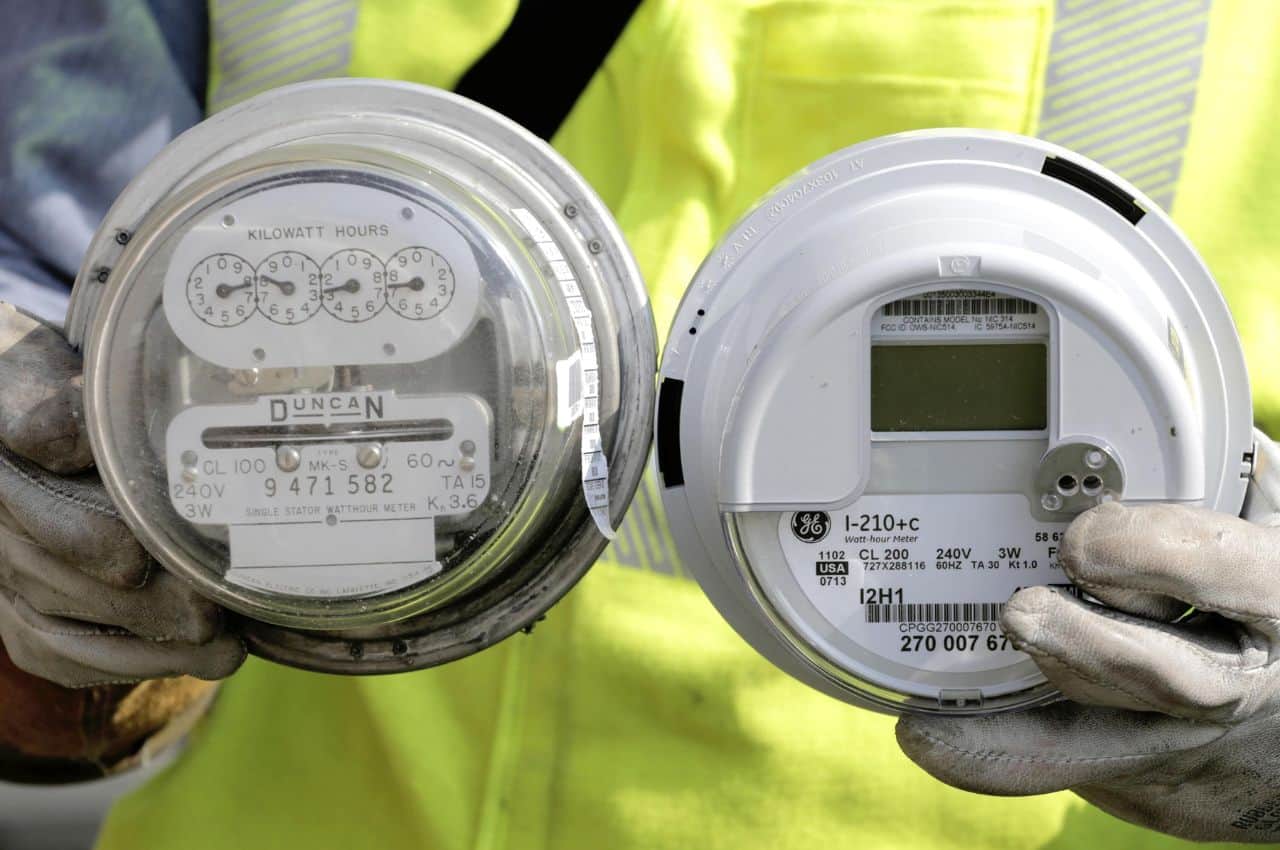
A home needs a smart water meter is a digital device that tracks your home’s water usage in real time. is a digital device that tracks your home’s water usage in real time. Unlike traditional meters, which only show total usage, smart meters provide detailed data when, where, and how water is used right at your fingertips. As environmental awareness rises, more homeowners are turning their houses into sustainable spaces. From solar panels to smart thermostats, eco-friendly homes are becoming the norm. And water management plays a key role in that movement.
Understanding Smart Water Meters
Smart water meters use digital sensors to measure water flow and transmit the data wirelessly to an app or cloud platform. This allows you to see your consumption in real time, detect leaks, and even get alerts when usage spikes unexpectedly. Traditional meters are like basic odometers they only record the total volume of water used. Smart meters, on the other hand, act like fitness trackers for your water habits, providing insights and encouraging smarter consumption.
The Environmental Importance of Water Conservation
Did you know that by 2025, two-thirds of the world’s population could face water shortages? Every drop counts. Smart meters help identify waste, ensuring that every bit of water is used wisely. By integrating technology, smart water management empowers households to take active roles in conservation helping communities and ecosystems thrive.
Benefits of Installing a Smart Water Meter
Installing a smart water meter brings multiple advantages that go beyond just tracking water usage. It helps you save money, detect leaks early, and promotes sustainable living through real-time insights. Here are the key benefits:
-
Real-time monitoring for accurate water usage tracking.
-
Instant leak detection to prevent water waste and costly damage.
-
Lower water bills through improved consumption habits.
-
Eco-friendly living by encouraging mindful water use.
How Smart Water Meters Help in Eco-Friendly Homes
Smart water meters easily sync with home automation systems like Alexa or Google Home, letting you control and monitor water with a simple voice command. Seeing your daily or weekly usage helps develop awareness turning off the tap while brushing or fixing that dripping faucet suddenly feels more rewarding. Homes with smart water systems often earn higher ratings for sustainability programs like LEED or Energy Star, increasing property value.
Technological Features That Make a Difference
Get detailed charts, compare usage trends, and set personalized goals all from your smartphone. Some advanced meters use AI to predict future usage and even identify potential plumbing issues before they happen. Traveling? You can still monitor your water usage and shut off supply remotely in case of emergencies.
Smart Water Meters and Community Impact
Cost vs. Savings: Is It Worth the Investment?
Installing a smart water meter may seem like an extra expense at first, but it’s a wise long-term investment. The upfront cost, which typically ranges from $150 to $500, is quickly offset by the savings it generates through reduced water waste and lower utility bills. Over time, the device pays for itself by helping you detect leaks early and manage water more efficiently. In short, the financial and environmental returns far outweigh the initial cost.
Challenges and Misconceptions About Smart Water Meters
How to Choose the Right Smart Water Meter
Installation Process and Maintenance Tips
Installing a smart water meter is simple and efficient, but professional installation is often recommended to ensure accuracy and prevent leaks. Regular maintenance is minimal just keep the device updated and check for proper readings occasionally.
Tips:
-
Hire a certified plumber for installation.
-
Update firmware regularly.
-
Inspect connections and readings every few months.
Government and Utility Incentives
Many governments and local utilities are encouraging homeowners to adopt smart water meters by offering attractive rebates and incentive programs. These initiatives aim to promote water conservation and reduce the strain on local water supplies. By installing a smart meter, homeowners can not only lower their bills but also qualify for financial rewards or tax benefits. This makes upgrading to smart technology both an environmentally and economically smart choice.
The Future of Smart Water Management
Success Stories from Eco-Friendly Homes
Conclusion
A smart water meter isn’t just a gadget it’s a game-changer for sustainable living. By combining technology, awareness, and environmental responsibility, it empowers homeowners to make smarter, greener choices every day. In the journey toward an eco-friendly future, installing a smart water meter is one of the simplest and most effective steps you can take.
FAQs about Home Needs a Smart Water Meter
1. Do smart water meters really save money?
Yes! Most households see a noticeable drop in their water bills within months of installation.
2. Can I install a smart water meter myself?
You can, but professional installation ensures accuracy and prevents leaks.
3. Are smart water meters secure?
Absolutely. They use encrypted communication to protect your data.
4. Do smart water meters require Wi-Fi?
Most do, but some models use other wireless technologies for remote connectivity.
5. Can smart water meters detect all leaks?
They can detect even the smallest continuous leaks, often before you notice them.