


5 Inspiring Ultimate Creative Luxury Living Ideas for Home
Creative Luxury Living Ideas are no longer confined to the opulent and grandiose homes seen in magazines or movies. Today, luxury has become an experience an attitude towards life that reflects a desire for quality, comfort, and individuality in one’s living space. As more people seek to elevate their home environment, creative luxury living ideas have become essential to ensure that luxury is not only about material wealth but also about personal taste, unique design elements, and innovative functionality.
In this article, we will explore a variety of creative luxury living ideas that can help transform any space into an opulent retreat. From smart home technologies and personalized interiors to eco-friendly luxury concepts, these ideas are designed to cater to different tastes and preferences, ensuring your living space is as unique as you are.
Understanding creative luxury living ideas
Luxury living goes beyond having expensive decor or an expansive home; it is about creating an environment that offers the highest level of comfort, sophistication, and exclusivity. In modern terms, luxury is no longer just about opulence . It’s about curating an experience that aligns with one’s personal values, needs, and desires. It’s a lifestyle that blends comfort, aesthetic appeal, and technological advancements while creating a space that feels as though it has been tailored specifically to the individual living in it. To truly understand luxury living, we need to explore a few key concepts that define it:
Defines creative luxury living ideas
Creative luxury living ideas are characterized by comfort, sophistication, and a high level of personalization. It goes beyond expensive furniture and lavish decor. True luxury is about creating an environment that reflects one’s tastes while providing an atmosphere of tranquility, exclusivity, and well-being.
- Exclusivity: High-end designs and materials that aren’t commonly available to everyone.
- Personalization: Customizing every element of the space to fit individual preferences.
- Comfort: Making the living space not only stylish but also comfortable and functional.
- Technology: Incorporating smart home devices that make life easier and more efficient.
Key Trends in Luxury Living
Before diving into creative luxury living ideas, it’s important to recognize the emerging trends in luxury living. These include:
- Sustainability: More homeowners are focusing on eco-friendly and sustainable living, using materials that are both luxurious and responsible.
- Technology Integration: Smart homes with voice-controlled systems, intelligent lighting, and security features are becoming more common.
- Minimalist Aesthetics: While luxury used to be about excess, modern luxury often embraces a minimalist approach, focusing on high-quality materials and subtle elegance.
- Wellness-Centered Spaces: Homeowners are increasingly designing their spaces around wellness, integrating features such as indoor gardens, spa-like bathrooms, and dedicated fitness areas.
Now, let’s explore some creative luxury living ideas that will elevate your home to the next level.
Creative Luxury Living Ideas
When it comes to creative luxury living ideas, the possibilities are endless. Luxury living is not just about having expensive materials or large square footage it’s about making a home that reflects personal style, promotes comfort, integrates cutting-edge technology, and offers an experience that feels both indulgent and serene. Here are some creative luxury living ideas that can help elevate your space, regardless of its size.
Smart Home Automation
- Why It’s Essential
Incorporating smart home technology into your luxury living space offers a level of convenience and sophistication that is unmatched. Imagine controlling your lights, thermostat, entertainment system, and security with just your voice or a tap on your smartphone. Smart homes are not only about convenience but also energy efficiency and safety.
- Voice-Activated Systems: Smart speakers like Amazon Echo or Google Home can control everything from lighting to entertainment systems.
- Automated Lighting: Use motion-sensing lights and mood lighting that can be adjusted remotely, adding both convenience and a touch of luxury.
- Smart Thermostats: These devices learn your schedule and adjust the temperature for maximum comfort while optimizing energy usage.
Personalized Interior Design
- Customization at Its Finest
Creative luxury living ideas is all about creating a space that feels uniquely yours. Personalized interior design allows you to blend comfort with style and ensure every element of your home fits your taste and lifestyle.
- Custom Furniture: Invest in bespoke furniture pieces that are tailored to your needs and space. This includes everything from hand-crafted sofas to custom-designed coffee tables.
- Art and Decor: Fill your home with artwork that reflects your personality and passions. Whether it’s original paintings or unique sculptures, personalized art can add a sophisticated touch.
- Tailored Storage Solutions: Custom storage solutions like walk-in closets or built-in bookshelves can help keep your space organized and elegant.
Indoor Gardens and Greenery
They are one of the most popular trends in luxury living is the integration of nature into the home. Indoor gardens not only enhance the aesthetic appeal of a space but also contribute to a healthier living environment.
Ideas to Incorporate:
- Vertical Gardens: Install vertical gardens on walls or balconies to add greenery without taking up too much space. These are ideal for apartments and smaller homes.
- Indoor Water Features: A small indoor fountain or water wall can create a calming atmosphere while enhancing the beauty of your living space.
- Indoor Herb and Vegetable Gardens: Not only do these provide fresh ingredients for cooking, but they also promote a sense of sustainability and wellness.
Spa-Inspired Bathrooms
- Transforming Your Bathroom into a Sanctuary
Luxury bathrooms have become a hallmark of high-end living. From walk-in showers to luxurious bathtubs, the bathroom has evolved into a personal retreat.
- Ideas to Incorporate:
- Freestanding Bathtubs: These elegant bathtubs are often made from high-end materials like marble, giving your bathroom a luxurious look.
- Rainfall Showerheads: A rainfall showerhead can create a spa-like experience, providing relaxation and luxury in your daily routine.
- Heated Floors: Heated bathroom floors ensure warmth during colder months and add an extra layer of luxury.
Sustainable Luxury Living
Eco-Friendly Living Meets Luxury Sustainability doesn’t have to mean sacrificing style or comfort. Many homeowners are opting for eco-friendly materials, energy-efficient systems, and sustainable design practices, all while maintaining a luxurious look and feel.
- Ideas to Incorporate:
- Sustainable Materials: Use eco-friendly materials such as bamboo flooring, recycled glass countertops, and sustainable fabrics for upholstery.
- Energy-Efficient Appliances: Install energy-efficient appliances that save both money and energy while contributing to a sustainable lifestyle.
- Solar Panels and Green Roofing: Solar panels and green roofs not only reduce your carbon footprint but also add value to your home.
Luxurious Home Office Spaces
A Space for Productivity and Comfort as more people work from home, the need for a dedicated home office that reflects both productivity and luxury has become essential. A well-designed office space can foster creativity and focus while making you feel like you’re working in a high-end environment.
- Ideas to Incorporate:
- Ergonomic Furniture: Invest in high-quality ergonomic chairs and desks that provide comfort and support for long working hours.
- Luxury Lighting: Add ambient lighting to your office to create a calm and inspiring atmosphere.
- Personalized Design: Incorporate personal touches like custom artwork or unique décor that reflects your style and makes the space enjoyable.
Open-Concept Floor Plans
Spacious and InvitingOpen-concept floor plans are synonymous with luxury living as they create a sense of openness and fluidity between rooms. The elimination of walls and barriers allows for better light flow and enhances the overall spaciousness of a home.
- Seamless Transitions: Use design elements like matching flooring or complementary color schemes to create a seamless flow between different spaces.
- Integrated Kitchens and Living Areas: In an open-concept design, the kitchen and living areas should feel like a unified space, with high-end finishes and carefully selected furniture.
- Large Windows and Glass Doors: Allow natural light to flood the interior by installing large windows or sliding glass doors that lead to the outdoor spaces.
Conclusion
Creative luxury living ideas combine comfort, elegance, and cutting-edge innovation to create a living space that is not only visually stunning but also functional and sustainable. From smart home automation to personalized interior design and wellness-focused elements, these ideas can help transform any home into an oasis of luxury. By embracing these concepts, you can enhance your living environment and create a sanctuary that reflects your unique lifestyle.
FAQs
What are the most important features of a luxury living room?
A luxury living room should combine high-quality furniture, sophisticated décor, and ample space for both relaxation and entertainment. Features like custom lighting, elegant artwork, and a well-designed layout can elevate the atmosphere. Incorporating smart home features, such as automated lighting and sound systems, can also enhance the luxury feel.
How can I incorporate sustainability into luxury living?
Incorporating sustainability into luxury living involves using eco-friendly materials such as bamboo flooring, recycled glass, and energy-efficient appliances. Sustainable design also includes elements like solar panels, green roofs, and energy-saving heating and cooling systems. The goal is to balance luxury with environmental consciousness.
Can I make my small home luxurious?
Absolutely! Even small spaces can be transformed into luxurious environments with careful planning. Focus on high-quality materials, space optimization, and personalized design elements. Using a minimalist approach can also make a small home feel elegant and luxurious.
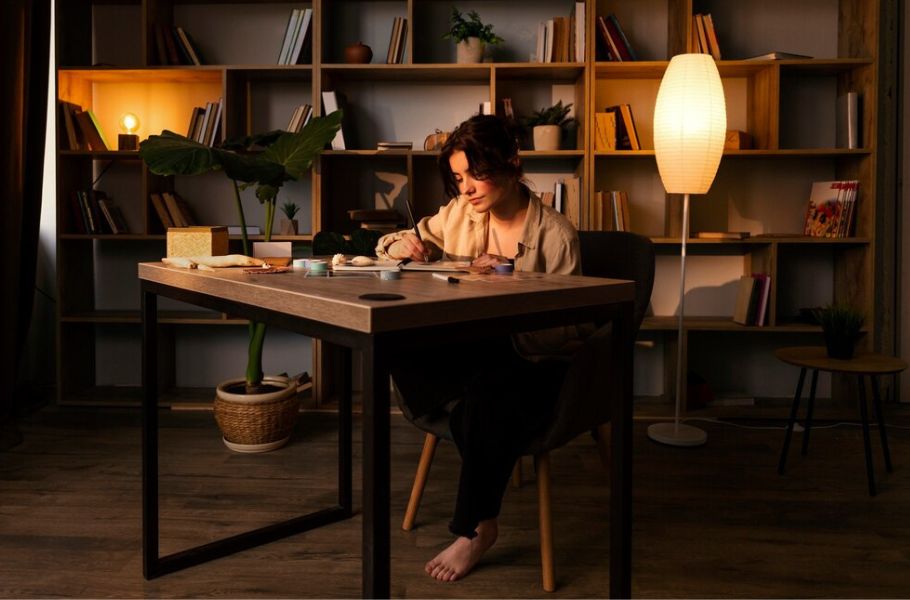
6 Cozy Office Ideas to Create a Comfortable Workspace
Cozy Office Ideas have fast paced and often remote work environment, having a cozy office ideas and inviting office space can greatly enhance productivity, creativity, and overall well-being. Whether you’re working from home or trying to revamp a corner of your corporate office, infusing comfort into your workspace can have transformative effects. This article explores a variety of cozy office ideas that can help you design a space that is both functional and welcoming.
Why a Cozy Office Matters
A cozy office ideas isn’t just about aesthetics it’s about creating a space that supports your mental, emotional, and physical health. The environment you work in significantly influences your mood, energy levels, and efficiency. When your office feels warm and personal, it becomes a place where you enjoy spending time, thus reducing stress and enhancing focus.
Key Elements of a Cozy Office ideas
Creating a cozy office ideas involves more than just aesthetics it’s about comfort, functionality, and personalization. Here are the foundational elements that make an office space warm and inviting:
Comfortable Furniture
The foundation of any cozy office ideas is comfortable, ergonomic furniture. A plush office chair with lumbar support, a spacious desk, and perhaps a small sofa or armchair for reading or brainstorming sessions can make a world of difference. Consider using memory foam seat cushions or footrests for added comfort.
Warm Lighting
Avoid harsh fluorescent lights. Instead, opt for warm, ambient lighting. Desk lamps with adjustable brightness, fairy lights, or floor lamps with soft bulbs can create a relaxing atmosphere. Natural light is also crucial position your desk near a window if possible.
Personal Touches
Incorporate items that reflect your personality: framed photos, artwork, travel souvenirs, or inspirational quotes. These personal elements can make the space feel uniquely yours and provide comfort during stressful workdays.
Textiles and Soft Materials
Use area rugs, throw blankets, and cushions to soften the space. These elements add texture and warmth. Choose fabrics like wool, cotton, or velvet for a luxurious and cozy feel.
indoor Plants
Adding greenery is one of the easiest ways to bring life into an office. Plants not only purify the air but also reduce stress and boost productivity. Low-maintenance plants like succulents, pothos, or snake plants are perfect for office settings.
Aromatherapy and Scents
The scent of your office can have a powerful impact on your mood. Essential oil diffusers or scented candles with calming aromas like lavender, eucalyptus, or vanilla can create a soothing environment.
Cozy Office Ideas for Different Settings
Creating a cozy office looks different depending on where you’re working. Below are tailored suggestions for different office environments:
Home Office
Designing a cozy home office requires balancing comfort with functionality. Use a room with ample natural light, invest in a good chair and desk, and keep clutter to a minimum. Add a cozy rug, some personal décor, and a few plants. Noise-canceling headphones can also be a great addition if your home is noisy.
Corporate Office
While you may have limitations in a corporate setting, you can still create a cozy atmosphere. Bring in personal items like photos or a small lamp, use a seat cushion, and keep your workspace tidy. A small desk plant and a warm mug for your coffee or tea can also enhance coziness.
Shared Workspaces
If you work in a co-working space, consider portable comfort items. A soft laptop sleeve, noise-canceling headphones, and a compact desk organizer can make shared spaces feel more personal. A travel-sized diffuser or a scented hand cream can help create a calming micro-environment.
Organizational Tips for a Cozy Office ideas
A cluttered space can be mentally overwhelming. Use storage solutions like baskets, shelves, and drawer organizers to keep everything in order. Make a habit of decluttering your desk at the end of each day.
Declutter Regularly
A cluttered space can be mentally overwhelming. Use storage solutions like baskets, shelves, and drawer organizers to keep everything in order. Make a habit of decluttering your desk at the end of each day.
Use Vertical Space
Maximize your space by utilizing walls. Install floating shelves, wall organizers, or pegboards. This keeps your desk clear and adds visual interest.
Create Zones
If you have the space, create different zones for different tasks. For example, a desk for computer work, a chair by the window for reading, and a standing area for calls or brainstorming.
Tech and Tools to Enhance Comfort
Using the right ergonomic tools is crucial for reducing physical strain and boosting long-term comfort. Consider:
Ergonomic Accessories
Use ergonomic keyboards, mouse pads with wrist support, and adjustable monitor stands. These tools help reduce strain and increase comfort.
Temperature Control
Keep a small fan or space heater nearby to maintain a comfortable temperature. A cozy office should be physically comfortable as well as visually inviting.
Sound Management
Use soft background music or white noise to enhance focus. Noise-canceling headphones or soundproofing materials can help reduce distractions.
Seasonal Cozy Office Ideas
Here are seasonal cozy office ideas for your office to look even more enhanced:
Winter
In winter, comfort and warmth are key. Layer your cozy office ideas with thick textiles such as wool blankets, plush cushions, and cozy rugs. Switch to warm-toned lighting, like amber bulbs or Himalayan salt lamps, to create a soothing glow. Seasonal décor like pine garlands, snowflake ornaments, or miniature holiday trees can add a festive charm. Scents such as cinnamon, cedarwood, pine, or peppermint in candles or diffusers enhance the cozy, wintery feel.
Summer
To keep your cozy office ideas cool and inviting in summer, lighten things up. Choose breathable fabrics like cotton or linen for curtains and chair covers. Swap dark colors for bright hues think aqua, coral, or citrus tones. Beach-themed or tropical décor like seashells, palm prints, or light wood elements can bring a relaxed summer vibe. Use fans, cooling mist sprays, or lightweight mesh chairs to stay comfortable during hot days.
Autumn
Autumn is perfect for creating a rustic, snug workspace. Use colors like burnt orange, mustard yellow, and deep reds. Add natural elements such as wooden décor, dried leaves, or pumpkins. Cozy textiles like flannel or tweed throws, along with soft lighting, can set the mood. Incorporate scents like apple cider, clove, or pumpkin spice to capture the essence of fall.
Spring
Spring is all about renewal and brightness. Freshen up your space with pastel tones, floral patterns, and fresh flowers like tulips or daisies. Open the windows for natural air flow and use light, breezy fabrics for curtains or pillows. Decluttering and reorganizing your workspace during spring can also enhance the feeling of a fresh start. Scents like lemon, lavender, or jasmine can help energize and uplift your mood.
Budget-Friendly Cozy Office Ideas
Creating a cozy office space doesn’t have to break the bank. With a little creativity and resourcefulness, you can design an inviting, functional, and stylish workspace that enhances productivity and comfort. Here are several ways to transform your office into a cozy haven without spending a fortune.
DIY Décor
One of the best ways to personalize your office on a budget is through DIY décor. You can easily create unique, custom pieces without spending much:
- Wall Art: Use inexpensive frames or canvas to showcase your own artwork, motivational quotes, or even printed photos. Create a gallery wall with various DIY frames, or paint your own pieces for a personalized touch.
- Upcycled Furniture: Look for old or secondhand furniture, such as a chair or desk, and give it a makeover. You can repaint or reupholster pieces to match your office style.
- Repurposed Items: Old mason jars can become stylish pencil holders or flower vases, while vintage books or decorative trays can add character to your desk or shelving units.
Thrift Stores and Online Marketplaces
Thrift stores, flea markets, and online marketplaces can be goldmines for affordable furniture and décor items. Here’s how to score great finds on a budget:
- Furniture: Look for gently used office chairs, desks, bookshelves, and storage units. A little sanding and a fresh coat of paint can make an old piece look brand new.
- Decorative Items: Vintage vases, decorative trays, or even secondhand framed artwork can add character and warmth to your office space without the high price tag.
- DIY Projects: Many thrifted items can be repurposed or updated to fit your cozy office theme. For example, an old wooden crate can be used as a storage box, or a worn-out chair can be reupholstered with affordable fabric.
Affordable Comfort Items
Creating a cozy office environment doesn’t require an expensive overhaul. Small, affordable items can have a big impact:
- Chair Cushions and Throws: Add a soft, plush chair cushion to make your office chair more comfortable. A cozy throw blanket draped over the back of your chair or across your desk adds both comfort and style.
- Rugs: A small, inexpensive rug can instantly warm up the space and make it feel more inviting. Opt for a soft, neutral rug or one with a simple pattern that complements the rest of your office décor.
- Lighting: Lighting is crucial for creating a cozy atmosphere. Desk lamps, floor lamps, or string lights are affordable ways to add warmth to your office. Choose warm-toned bulbs to create a soft, inviting glow.
Plants and Greenery
Adding plants is an affordable and effective way to make your office feel cozy and vibrant. You don’t need to invest in expensive plants low-maintenance options are budget-friendly and easy to care for:
- Succulents: These hardy plants are inexpensive, easy to maintain, and add a touch of green to your space.
- Pothos or Snake Plants: Both are very affordable and grow well in low-light conditions, making them perfect for any office setting.
- DIY Planters: Repurpose containers like old coffee mugs, mason jars, or tin cans as plant holders to add personality to your office.
Personal Touches
Personalizing your office with small items that reflect your personality doesn’t have to be expensive. Here’s how you can add cozy, unique touches:
- Photographs and Art: Display framed photos of family, friends, or favorite vacation spots. You can print and frame your own photos to save money, or look for inexpensive prints or posters online.
- Mementos: Bring in small mementos from your travels, hobbies, or interests to add a personal touch to your workspace. These can be as simple as a favorite book, a trinket from a trip, or a collection of small objects that make you feel happy.
Conclusion
Creating a cozy office space is about more than aesthetics it’s about cultivating a space where you feel motivated, comfortable, and focused. Whether you work from home, in a corporate setting, or a shared workspace, there are countless ways to make your environment more inviting. With thoughtful touches like warm lighting, personal décor, soft textiles, and a touch of greenery, your office can become a sanctuary that nurtures your productivity and well-being.
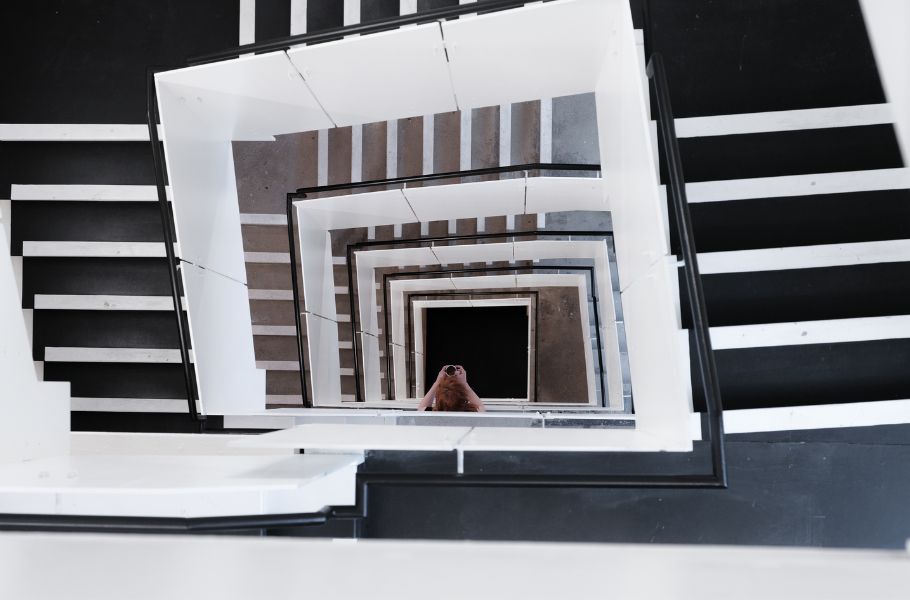
9 Stunning Mirror in Stairway Ideas to Elevate Home
Mirror in stairway are a timeless element in interior design, known for their ability to enhance the aesthetic appeal of a space while providing practical benefits. One particularly creative and effective use of mirrors is in stairways. Stairways are often transitional spaces that can feel narrow, dark, or cramped. Strategically placing mirrors in stairways can dramatically alter these perceptions, making the space feel larger, brighter, and more inviting.
In this article, we will explore the many aspects of using mirrors in stairways, from design ideas and placement strategies to the psychological effects and practical considerations. We will also address common questions and concerns, helping you to make the best decision for your home or commercial property.
Benefits of Placing a Mirror in a Stairway
Placing a mirror in stairway is more than just a design choice; it brings several functional, aesthetic, and even emotional benefits. Whether you’re working with a small, dark stairwell or a grand staircase, a mirror can dramatically enhance the space. Let’s dive into the key benefits in detail:
Enhancing Light
One of the primary benefits of adding a mirror in stairway is its ability to enhance lighting. Stairways often lack natural light, and mirrors can reflect available light sources, making the space feel more open and bright. This can be especially useful in homes where stairways are positioned away from windows.
Creating the Illusion of Space
Mirrors are widely used to create the illusion of a larger space. In a stairway, where space is typically confined, a well-placed mirror can visually expand the area. Large mirrors or mirror panels can give the impression that the stairway extends beyond its physical limits, making it feel less claustrophobic.
Adding Visual Interest
Mirrors can serve as artistic focal points in stairways. With various designs, frames, and arrangements available, mirrors can add an element of visual interest and sophistication to an otherwise utilitarian space. Whether through an ornate antique frame or a minimalist modern design, mirrors can significantly elevate the aesthetic appeal of a stairway.
Improving Feng Shui
In Feng Shui, mirrors are considered powerful tools that can redirect energy flow within a home. Placing mirrors in stairways can help circulate positive energy and balance the home’s overall energy dynamics. However, it’s essential to position mirrors thoughtfully to avoid negative effects, such as energy being “cut” by a poorly placed mirror.
Types of Mirrors Suitable for Stairway
Choosing the right type of mirror in stairway can completely change the atmosphere of the space. Different styles, shapes, and placements offer different effects from adding elegance to creating the illusion of space and light. Let’s explore the most suitable types of mirror in stairway in detail:
Full-Length Mirrors
Full-length mirrors are ideal for stairways, especially if space permits. They can dramatically enhance the sense of height and openness. A full-length mirror at the end of a stairway can create a grand, elegant look.
Wall-Mounted Mirror Panels
Installing multiple wall-mounted mirror panels along the stairway wall is another effective strategy. This approach can create a rhythmic visual pattern and reflect light across the entire stairway.
Decorative Mirrors
Decorative mirrors come in various shapes, sizes, and frame styles. A series of small decorative mirrors arranged artfully can add personality and charm to the stairway, while still providing the practical benefits of light reflection and space enhancement.
Mirrored Walls
In some cases, an entire wall adjacent to the stairway can be mirrored. This option creates a bold, contemporary look and maximizes the illusion of space and light. However, it requires careful consideration to avoid overwhelming the design.
Best Practices for Mirror Placement in Stairways
Placing mirrors in stairway can dramatically transform the look and feel of the space, but it’s not just about hanging a mirror anywhere. Thoughtful placement ensures safety, style, and maximum functionality. Here’s a detailed breakdown of the best practices to follow:
Height Considerations
When placing a mirror in stairway, it’s important to consider the average eye level. In general, the center of the mirror should be around 57 to 65 inches from the floor. However, stairways introduce varying floor heights, so adjustments may be necessary.
Orientation and Angle
Mirrors should be oriented to reflect desirable views and light sources. Avoid placing mirrors where they reflect unsightly areas or cause confusing visual effects. Angling mirrors slightly downward can help prevent disorienting reflections.
Safety Measures
Ensure that mirrors are securely mounted, especially in stairways where movement is frequent and accidents could be more dangerous. Choose sturdy frames and proper mounting hardware suitable for the wall material.
Lighting Integration
Pairing mirrors with appropriate lighting can amplify their effect. Wall sconces, LED strip lights, or even pendant lights positioned near mirrors can create beautiful, dynamic lighting effects that enhance the stairway’s atmosphere.
Psychological Effects of Mirror in Stairway
Mirrors are not only decorative objects they have profound psychological effects on how people perceive space, light, and even themselves. When used in stairway spaces that are transitional and often underappreciated mirrors can create subtle but powerful emotional and cognitive shifts. Understanding these psychological impacts helps in designing stairways that feel inviting, safe, and beautiful.
Perception of Safety
Bright, open-feeling stairways created by mirror placements can increase the sense of safety. Dark, cramped stairways can feel ominous, but mirrors can alleviate these feelings, making the stairway feel more inviting and secure.
Emotional Impact
Mirrors can elevate mood by making spaces feel more spacious and beautiful. Positive emotional responses are often triggered by well-lit, visually appealing environments. This can improve the overall living experience within the home.
Spatial Awareness
In stairways, mirrors can aid in spatial awareness, helping people navigate steps more confidently. This is particularly beneficial in narrow staircases where turns and landings might otherwise feel visually confusing.
Common Mistakes to Avoid
Mirrors are a powerful design tool for stairways, but improper placement or selection can easily backfire making the space look awkward, unsafe, or uncomfortable. Knowing the common mistakes helps ensure your mirror setup enhances your stairway instead of creating new problems. Let’s dive into these mistakes in detail:
Overusing Mirrors
While mirrors are powerful design tools, overusing them can create a confusing, almost dizzying effect. Balance is key; use mirrors to enhance, not overpower, the stairway’s design.
Poor Frame Choices
The style of the mirror’s frame should complement the overall interior design. A mismatch can make the stairway feel disjointed. Choose frames that align with your aesthetic vision.
Ignoring Maintenance
Mirrors in stairways are prone to fingerprints, dust, and smudges. Regular cleaning is necessary to maintain their clarity and reflective quality.
Creative Mirror Arrangement Ideas
Mirrors offer so much more than simple reflections as they’re powerful tools to add art, light, and movement to stairways. With a little creativity, mirrors can transform your stairway into one of the most “eye-catching features of your home. Here are some inspiring and creative mirror arrangement ideas that you can try:
Gallery-Style Display
Arrange several small mirrors in a gallery style layout along the stairway wall. Mix different shapes and frame styles for an eclectic, artistic look.
Geometric Patterns
Use mirrors with geometric shapes to create modern, structured designs. Hexagonal or circular mirrors arranged in a pattern can add a stylish, contemporary touch.
Antique Accents
In traditional or vintage-themed homes, antique mirrors can add character and a sense of history to the stairway.
Statement Piece
Opt for a single, oversized mirror with a dramatic frame as a statement piece. This draws the eye and becomes a central design element.
Conclusion
Incorporating mirror in stairway design is a smart and stylish choice that offers numerous benefits, including enhanced light, the illusion of space, and improved aesthetic appeal. By carefully selecting the type of mirror, considering placement, and integrating lighting thoughtfully, you can transform an ordinary stairway into an extraordinary feature of your home or business.
However, it’s important to strike the right balance to avoid overuse and to maintain mirrors properly to keep them looking their best. With the right approach, mirrors in stairways can elevate your interior design, boost your mood, and even improve energy flow within the space.
Whether you prefer a minimalist look, a vintage charm, or a bold contemporary statement, there’s a mirror solution perfect for your stairway.
FAQ’s About mirror in stairway
Can mirrors on stairways cause accidents?
If not placed thoughtfully, mirrors can cause confusion, especially in low light. Ensure proper lighting and place mirrors where they don’t create misleading reflections.
What size mirror is best for a narrow stairway?
In narrow stairways, vertical full-length mirrors or a series of smaller mirrors can help enhance the sense of space without overwhelming the wall.
Is it bad Feng Shui to put a mirror facing a staircase?
In Feng Shui, it is generally advised not to place a mirror directly facing the bottom of a staircase, as it can push energy back down. Placing it on the side walls is often a better alternative.
How often should stairway mirrors be cleaned?
Stairway mirrors should be cleaned at least once a week or more often if they are in high-traffic areas where they might collect fingerprints and dust quickly
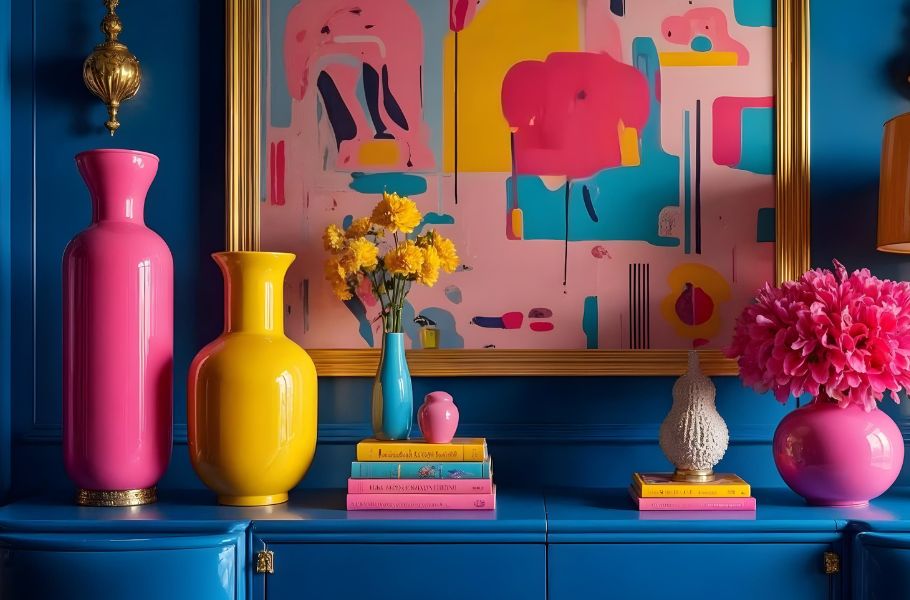
6 Funky Painted Furniture Ideas to Instantly Transform Space
Funky painted furniture ideas are exciting, budget-friendly way to revamp your interiors. Whether you’re working with vintage finds, repurposing older pieces, or just want to give your home a bold, eclectic vibe, colorful furniture offers limitless creative potential.
This guide explores fresh, inspiring, and doable ideas for creating standout funky painted furniture. From bright color combos to artistic patterns, you’ll discover how to turn ordinary pieces into conversation starters.
Why Choose Funky Painted Furniture ideas?
Funky Painted Furniture ideas is more than a decorative trend it’s an artistic expression. Going funky with paint lets you:
- Personalize your space uniquely
- Revive old or worn furniture
- Add character without major renovations
- Experiment with colors and finishes safely
If you’re tired of bland neutrals and cookie-cutter aesthetics, funky painted furniture ideas is your ticket to creativity.
Choosing the Right Furniture Pieces
Not all furniture needs to be painted to make a statement, but some pieces are ideal candidates for a funky transformation.
Thrift Store and Vintage Finds
Old dressers, end tables, chairs, and cabinets from thrift stores or yard sales often have solid structure and unique shapes that lend themselves to artistic flair. Paint hides cosmetic flaws and brings out their charm.
Plain or Inexpensive IKEA Furniture
Flat-pack pieces from IKEA or other budget stores provide blank canvases for creative painting. Their simplicity makes them perfect for vibrant patterns, color blocking, or even stencil art.
Existing Furniture Needing a Refresh
If you have pieces at home that feel outdated or dull, don’t toss them—transform them. Painted furniture is a fantastic upcycling option.
Paint Styles and Techniques
The method you choose can determine how funky or artistic your finished piece feels. These techniques are beginner-friendly but allow for maximum impact.
Color Blocking
Use painter’s tape to create geometric shapes in bold, contrasting colors. Think teal and orange, hot pink and mustard, or lime green and navy. Color blocking adds modern flair and eye-catching impact.
Ombre and Gradient Effects
Blend two or more colors to create a fade effect that flows from light to dark. This works beautifully on tall furniture like bookshelves or armoires, giving a dreamy and artistic look.
Hand-Painted Patterns
From polka dots and zigzags to florals and abstract motifs, hand-painting offers total freedom. Use fine brushes, sponges, or stencils. Patterns can be repeated or freestyle for that perfectly imperfect funk.
Decoupage with Paint
Mix paint with decoupage elements like printed paper or napkins to create collage-style surfaces. Seal with a gloss topcoat for a boho or vintage aesthetic.
Two-Tone and Inside Surprises
Paint drawers or interiors in contrasting or neon shades for a playful surprise every time you open them. Combine pastel exteriors with bright interiors for added funk.
Color for Funky painted Furniture ideas
Choosing the right palette is key to achieving the funky aesthetic. Don’t be afraid to go bold or experiment with combinations outside traditional interior design norms.
Primary Colors with a Twist
Red, blue, and yellow combinations scream retro fun. Add a splash of black or white to anchor the look.
Tropical and Neon Shades
Think hot pink, turquoise, lime green, and orange. These colors bring instant energy and are perfect for kids’ rooms, entryways, or creative spaces.
Pastel Pop
Soft mint, lavender, peach, and powder blue painted in bold patterns can give a funky yet subtle charm to any space.
Metallic Accents
Use gold, silver, or copper to outline shapes or add detailing to knobs and edges. Metallics bring glamour to the funky theme.
Room by Room Funky painted Furniture ideas Inspiration
Funky painted furniture ides isn’t limited to a particular room or design style it can enhance just about any space with a splash of color, a dash of imagination, and a whole lot of personality. Here’s how you can bring the funky furniture trend into each room of your home, whether you’re going bold or starting small.
Living Room
- Funky coffee tables: Try a checkerboard top with neon edges.
- TV stands: Use ombre or geometric panels to make a tech station more stylish.
- Side tables: Paint each leg a different color for quirky symmetry.
Bedroom
- Bold nightstands: Add florals or abstract art to give life to bedside furniture.
- Dressers: Try bold stripes or mural-like fronts with artistic landscapes.
- Headboards: Paint in a sunset gradient or abstract wave designs for maximum visual impact.
Kitchen & Dining Area
- Dining chairs: Paint each chair in a different bold color or pattern.
- Kitchen carts: Add chalkboard paint on one side for notes and menus.
- Cabinets: Highlight interior shelves with unexpected colors or patterns.
Home Office or Studio
- Desks: Try stenciled quotes, faux marble with metallic veins, or comic book-inspired designs.
- Bookshelves: Paint each shelf a different color or use a rainbow gradient.
- Storage boxes: Match funky colors with labels to keep things functional and fun.
Tips for a Successful Furniture Painting Project
Funky painted furniture ideas should be fun not frustrating. Here are some practical tips to make your DIY project smooth and successful:
1. Prep Properly
- Sand the surface to help the paint stick.
- Clean off dust and oils with a damp cloth.
- Remove hardware and tape off areas you don’t want painted.
2. Choose the Right Paint
- Acrylic latex: Great for most indoor projects.
- Chalk paint: Popular for its matte finish and no-primer application.
- Spray paint: Ideal for intricate surfaces or a sleek, modern finish.
- High-gloss enamels: For bold shine and wipeable surfaces.
3. Use Quality Brushes or Rollers
Invest in decent brushes to avoid streaks and loose bristles. Foam rollers are great for smooth, large areas.
4. Seal It In
Protect your work with a clear sealer or polyurethane coat. Glossy sealers amplify the funk factor, while matte finishes create a subtler vibe.
Sustainability and Upcycling Benefits
Funky painted furniture ideas isn’t just about style it’s also eco-conscious. Revamping furniture with paint isn’t just a design trend it’s a smart, environmentally conscious choice that aligns with modern sustainability goals. By embracing funky painted furniture, you’re doing more than expressing creativity; you’re actively reducing environmental impact.
- Reduces landfill waste by extending the life of old furniture.
- Supports creativity over consumption by reusing what you already have.
- Encourages sustainable decorating practices, perfect for eco-minded households.
Many creators even turn their hobby into a side business by upcycling and selling painted furniture pieces at markets or online.
Conclusion
Funky painted furniture ideas offers a thrilling way to break the mold and make your home reflect your unique style. Whether you’re drawn to bold patterns, vibrant colors, or playful textures, painting furniture is a deeply rewarding and highly personal design choice.
From eye-popping dressers to artistically painted tables, there’s no limit to how far your imagination can go. And the best part? It’s fun, affordable, and completely customizable.
Ready to dip your brush and transform your home. Go funky. Go fearless. Go you.
FAQs About Funky Painted Furniture ideas
Do I need to sand furniture before painting?
Yes, sanding helps the paint adhere better and smooths out imperfections. However, some chalk paints can be used without sanding.
What kind of paint works best for bold colors?
Acrylic latex or high-quality chalk paint works well. For extra-bold tones, consider using a primer to block any dark wood tones underneath.
How do I avoid brush marks when painting furniture?
Use high-quality brushes or foam rollers, and apply thin, even coats. Sand lightly between coats for a smooth finish.
Can I mix multiple painting techniques on one piece?
Absolutely! Mixing techniques like color blocking with hand-drawn patterns or ombre with metallics can create truly funky, one-of-a-kind results.
Is funky painted furniture just for boho or eclectic decor styles?
Not at all. You can incorporate funky pieces into modern, minimalist, vintage, or even traditional spaces as bold accent statements.
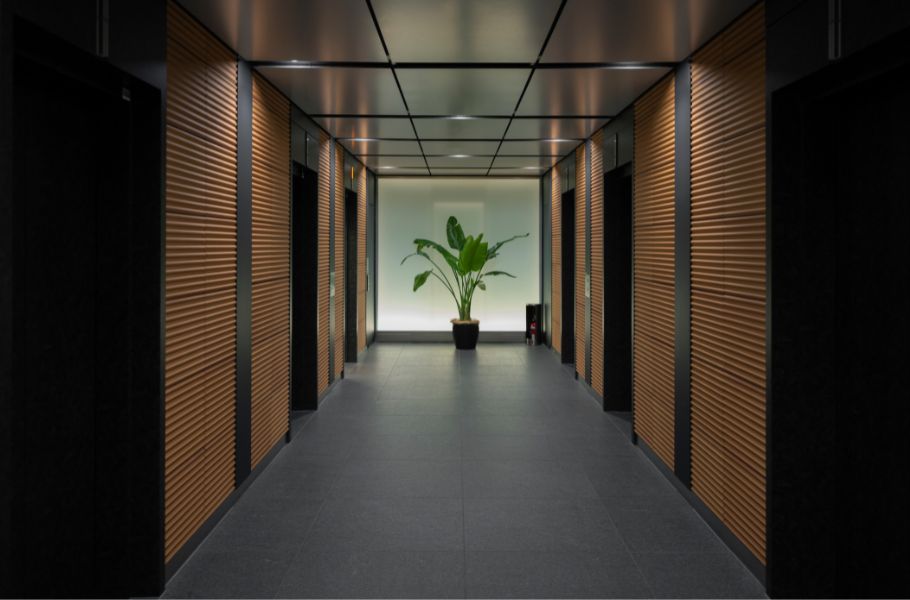
10 Game-Changing Vestibule Ideas Elevate Stunning Entryway
The vestibule ideas are the gateway to your home a small, often overlooked space that serves both practical and aesthetic purposes. Whether you’re working with a spacious foyer or a compact entry nook, thoughtful vestibule design can dramatically improve your home’s first impression. This guide explores diverse vestibule ideas to help you create a functional and stylish entrance that sets the tone for the rest of your interior.
Understanding the Purpose of a Vestibule ideas
A vestibule acts as a transitional space between the outdoors and the interior of your home. Its primary purposes include:
- Buffer Zone: Reduces direct exposure to cold, heat, and dirt from outside.
- Storage Hub: Provides a space to store shoes, coats, umbrellas, and bags.
- Aesthetic Preview: Offers a glimpse into the style and personality of the home.
Designing a vestibule ideas with these functions in mind can enhance both daily convenience and overall home appeal.
Choosing the Right Layout
The layout of your vestibule ideas sets the tone for your home and it’s the first place guests see when they arrive. Whether you have a spacious foyer or a compact entry nook, choosing the right layout is key to creating a space that is both functional and visually welcoming.
Compact Vestibules ideas
In small homes or apartments, entryways may be limited in size. Use vertical space with wall hooks, slim benches with storage, and over the door organizers to maximize functionality.
Spacious Entryways
Larger vestibules can accommodate console tables, accent chairs, or built in cabinetry. Define zones for different functions, such as seating, storage, and display areas.
Color Schemes and Materials
The vestibule is your home’s first impression, and its color scheme and materials play a major role in shaping the atmosphere. Whether you want a look that’s bold and expressive or calm and refined, your choices in paint, flooring, textures, and finishes will define the space’s style and functionality.
Neutral Palettes
Neutral colors like white, beige, and gray provide a clean, timeless look. They also make small vestibules appear larger and more open.
Bold Accents
Use bold colors such as navy, forest green, or deep burgundy on one wall or in accessories to create visual interest.
Durable Materials
Choose materials that withstand high traffic:
- Flooring: Tile, stone, or hardwood with a durable finish.
- Wall Coverings: Wipeable paint or wallpaper for easy cleaning.
- Rugs: Water resistant or washable mats.
Furniture and Storage Solutions
The vestibule is the unsung hero of your home it catches everything from muddy shoes to mail and keys. Choosing the right furniture and storage solutions ensures this space remains both beautiful and functional. Whether you’re dealing with a grand entry or a tight alcove, smart planning can transform your vestibule into an organized, clutter free zone that still feels welcoming
Benches and Seating
A small bench with built in storage allows guests and family members to sit while removing shoes. Choose a cushioned design for added comfort.
Shoe Racks and Cubbies
Keep footwear organized and off the floor with open cubbies, drawers, or vertical shoe racks.
Coat Hooks and Racks
Wall mounted hooks or free standing coat racks keep outerwear within easy reach. Use decorative hardware to enhance the look.
Entryway Cabinets
Custom or modular cabinets can conceal clutter and store seasonal items like hats, gloves, and scarves.
Lighting Considerations
Lighting is a key element in designing a welcoming vestibule. It not only improves visibility and functionality but also sets the tone for your home’s overall ambiance. Whether you’re working with a windowless entryway or a naturally lit foyer, thoughtful lighting choices can make the space feel warm, open, and stylish.
Natural Light
Maximize natural light with sidelights or transom windows. Use sheer curtains or frosted glass for privacy without sacrificing brightness.
Overhead Lighting
Install a statement light fixture, such as a pendant or chandelier, to create a focal point.
Task Lighting
Accent lighting around mirrors or under cabinets adds warmth and highlights architectural features.
Mirrors and Reflective Elements
Mirrors and reflective accents are some of the most powerful design tools for a vestibule. Not only do they add visual interest, but they also serve multiple purposes: enhancing light, creating the illusion of more space, and offering a functional spot for quick check ins before heading out the door. Whether your entryway is compact or spacious, incorporating mirrors and other reflective elements brings elegance, brightness, and balance to the space.
Mirrors for Space and Light
Mirrors visually enlarge the space and reflect light. Position one near the door for quick checks before leaving the house.
Reflective Decor
Incorporate metallic elements in hardware, light fixtures, or trays to add sophistication and brightness.
Wall Decor and Personal Touches
While function is key in a vestibule, it’s the personal touches and wall decor that make the space truly yours. The right artwork, photos, and thoughtful details transform a purely practical area into one that tells a story. Whether your style leans modern, rustic, boho, or traditional, decorating your vestibule walls helps create a warm and lasting first impression.
Art and Photography
Hang artwork, prints, or family photos that reflect your personal taste. A gallery wall can turn a vestibule into a mini art exhibit.
Wall Shelves and Ledges
Use floating shelves to display small sculptures, potted plants, or seasonal decor.
Message Boards and Calendars
Functional and decorative, chalkboards or pinboards can display reminders, schedules, or inspirational quotes.
Flooring Options
The vestibule ideas sees a lot of foot traffic, which means your flooring must balance durability, style, and easy maintenance. Since this is the first area people step into from the outside, it’s also one of the most vulnerable to dirt, moisture, and wear. Whether you lean traditional, rustic, or contemporary in your design, the right flooring choice sets the tone for your entire home while standing up to daily demands.
Durable Tiles
Porcelain or ceramic tiles are ideal for wet or snowy climates. Choose patterns or textured finishes to hide dirt and add character.
Hardwood or Laminate
Provides a warm, inviting feel. Use a protective rug or mat near the entrance to prevent wear.
Natural Stone
Slate, granite, or travertine add luxury and durability but may require regular sealing.
Seasonal and Functional Décor
Your vestibule ideas are more than just an entry point it’s a space that sets the tone for your home. By incorporating seasonal decor alongside functional elements, you can keep it fresh, inviting, and highly practical throughout the year. With small updates and thoughtful touches, your vestibule can celebrate every season while still handling the daily in and out with ease.
Seasonal Swaps
Update accessories like rugs, pillows, and decor items based on the season. Use warmer tones and textures in winter, and lighter, airy fabrics in summer.
Functional Accessories
Place umbrella stands, key trays, and mail sorters near the door to reduce clutter and streamline routines.
Vestibule Themes and Styles
The vestibule ideas is the gateway to your home and its style sets the tone for everything that follows. Whether your interior is modern, traditional, rustic, or eclectic, choosing a consistent theme for your entryway creates a cohesive and welcoming first impression. From clean lines to cozy accents, there’s a vestibule style to match every personality and space.
Modern Minimalist
Focus on clean lines, neutral colors, and concealed storage. Avoid clutter and use high quality materials.
Rustic Charm
Incorporate natural wood, woven baskets, and antique finishes. Use warm tones and textured fabrics.
Coastal Retreat
Use light blues, whites, and sandy beige tones. Add nautical elements like rope hooks or shell decor.
Urban Industrial
Combine metal and wood, exposed brick, and vintage hardware for an edgy city vibe.
Space Optimization Tips
Whether your vestibule is a grand foyer or a narrow nook, optimizing every inch is essential. A well designed entryway should combine function and style, offering a welcoming first impression without clutter. The key is to choose the right layout, furniture, and storage solutions that maximize your available space while keeping things visually light and accessible.
Use Corners Wisely
Install corner shelves or place a tall coat rack to make use of dead space.
Vertical Storage
Add tall lockers, hanging hooks, or tiered shelves to utilize vertical space.
Multi Functional Furniture
Choose pieces that serve more than one purpose, like a bench that stores shoes or a cabinet that doubles as a console table.
Greenery and Natural Elements
Adding greenery and natural materials to your vestibule can completely transform it from a purely functional space into a warm, inviting, and energizing entryway. These elements bring texture, freshness, and a subtle connection to nature, helping to set a calming tone the moment you or your guests walk through the door.
Indoor Plants
Plants such as snake plants, pothos, or peace lilies thrive in vestibules. They improve air quality and add a fresh aesthetic.
Natural Accents
Incorporate wood, rattan, or stone in decor items for an earthy, grounded look.
Conclusion
Designing a vestibule ideas is about balancing beauty and utility. Whether you prefer a sleek modern look or a cozy rustic vibe, your entryway can set the tone for the rest of your home while serving practical purposes. From smart storage solutions to thoughtful decor, every element should reflect your lifestyle and taste. With the right design, your vestibule will be more than just an entrance it will be a warm welcome every time you come home.
FAQs
Q: What is the difference between a vestibule and an entryway?
A vestibule is a small room or space between the outer door and the main interior. An entryway can be any entrance area, including open spaces.
Q: How do I decorate a small vestibule?
Use vertical storage, mirrors, and light colors to maximize space and keep it functional.
Q: What type of flooring is best for a vestibule?
Durable, water resistant flooring such as tile or stone is ideal.
Q: Are vestibules still popular in modern homes?
Yes, especially in climates with extreme weather. They are making a comeback for their functional and design value.
7 Stunning Ideas for Bohemian Bathroom Bliss That Wow
The Bohemian bathroom style, often referred to as “boho,” is synonymous with creativity, eclecticism, and a relaxed, worldly aesthetic. When applied to bathroom design, it brings a refreshing break from the sterile and minimalist trends that often dominate. A Bohemian bathroom embraces vibrant colors, natural materials, vintage elements, and an overall sense of freedom in expression. In this comprehensive guide, we will explore the key aspects of creating a bohemian bathroom, from foundational elements to finishing touches, ensuring that your space becomes a soulful retreat.
Understanding the Bohemian Bathroom Style
Before diving into the design elements, it is essential to understand the core philosophy behind the Bohemian style. Rooted in the lifestyle of artists, writers, and travelers, Boho design is less about adhering to rules and more about celebrating individuality and diversity. It incorporates a mix of patterns, textures, and colors from various cultures, particularly those from Moroccan, Indian, and Southwestern influences.
The Foundation: Choosing the Right Colors
Choosing the right colors is foundational to creating an authentic Bohemian bathroom. While the Boho style embraces creativity and freedom, a thoughtfully chosen palette sets the tone and ties the eclectic elements together. Here are key details to consider:
Earthy and Rich Tones
A Bohemian bathroom typically starts with a warm and inviting color palette. Think terracotta, deep greens, mustard yellows, and burnt oranges. These hues create a cozy and grounded atmosphere that is essential to the Boho vibe.
Bold and Bright Accents
In contrast to the earthy foundation, Bohemian style also embraces bold colors like fuchsia, turquoise, and cobalt blue as accent elements. These can be introduced through accessories such as towels, rugs, and artwork.
Incorporating Natural Materials
One of the defining elements of Bohemian design is its deep connection to nature. In a Bohemian bathroom, incorporating natural materials adds warmth, texture, and authenticity, creating a space that feels organic, relaxed, and earthy.
Wood and Rattan
Natural wood finishes are a cornerstone of Boho design. Vanities made from reclaimed wood or shelves with a raw, unfinished look can bring warmth and authenticity to the space. Rattan baskets and accessories add texture and a touch of nature.
Stone and Clay
Incorporate stone sinks, clay pots, or ceramic tiles to enhance the organic feel. These elements not only add aesthetic value but also reinforce the connection to nature, which is central to the Bohemian ethos.
Patterns and Textures: The Heart of Boho Design
Bohemian style thrives on visual richness, and nothing embodies that more than its bold use of patterns and textures. In a Bohemian bathroom, these elements create depth, movement, and personality, turning a simple space into an artistic retreat.
Layering Textiles
Layering is key in any Boho space. Use patterned shower curtains, Turkish towels, and macrame wall hangings. A small, colorful rug with ethnic patterns can become a focal point and add comfort underfoot.
Mixing Patterns
Don’t shy away from mixing florals with geometrics or stripes with paisleys. The trick is to maintain a cohesive color scheme to ensure harmony despite the diversity.
Decor and Accessories
In a Bohemian bathroom, decor and accessories are where your personality truly comes alive. These finishing touches help define the mood, tell a story, and transform a utilitarian space into a soulful sanctuary. The key is to embrace creativity, imperfection, and individuality.
Vintage and Handmade Finds
Visit flea markets, antique shops, or global marketplaces to find unique items like vintage mirrors, hand painted tiles, and artisanal soap dishes. These add character and tell a story, aligning perfectly with the Bohemian spirit.
Plants and Greenery
Indoor plants are a must have in a Bohemian bathroom. Hanging plants, succulents, and even small trees can thrive in a well lit bathroom and bring life into the space. Choose eclectic pots and planters to enhance the boho aesthetic.
Furniture and Fixtures
In Bohemian bathrooms, furniture and fixtures are more than functional they’re opportunities to express creativity, add vintage charm, and introduce a mix of textures and materials that embody the free spirited Boho ethos. The goal is to avoid anything too polished or uniform, opting instead for pieces that feel well loved, repurposed, or artisanal.
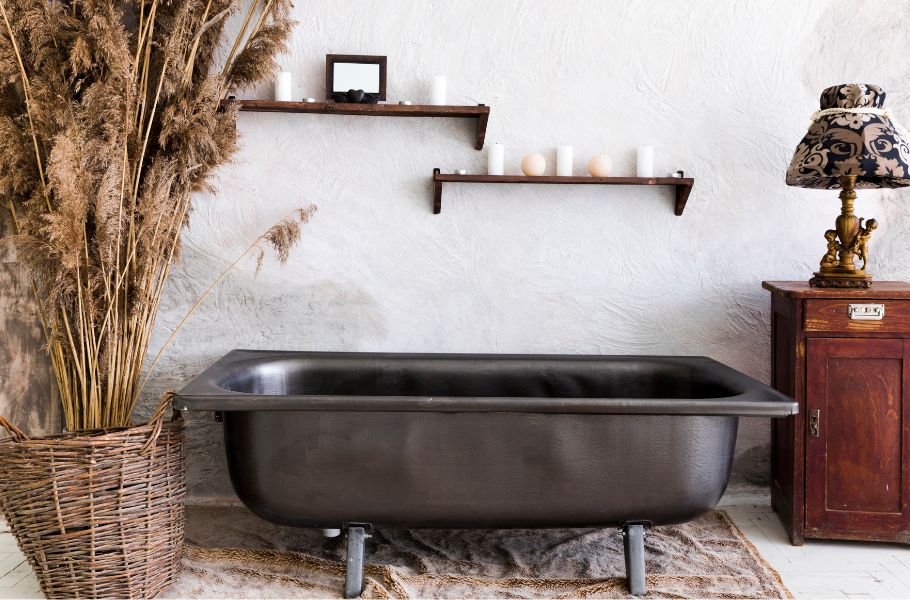
Freestanding Tubs and Unique Sinks
If space allows, a freestanding claw foot tub can serve as a dramatic centerpiece. Pair it with a vessel sink in stone or ceramic to amplify the Bohemian appeal.
Open Shelving
Opt for open shelving made from reclaimed wood. Display your essentials in glass jars, woven baskets, and decorative trays to keep the space organized yet visually engaging.
Lighting: Setting the Mood
In a Bohemian bathroom, lighting is not just functional it’s transformative. The right lighting sets the tone for relaxation, highlights textures and colors, and brings a warm, inviting ambiance that defines the Boho spirit. The goal is to move away from harsh, clinical lighting and embrace a soft, layered glow that feels cozy and soulful.
Soft and Ambient Lighting
Lighting in a Bohemian bathroom should be soft and ambient. Use pendant lights with woven shades, wall sconces with intricate metalwork, or even a chandelier with a vintage feel.
Candles and Fairy Lights
To create a spa like retreat, incorporate candles and string lights. These add a whimsical, magical glow, perfect for relaxing baths.
Bohemian Bathroom for Small Spaces
Designing a Bohemian bathroom in a small space may seem challenging, but the Boho style is incredibly adaptable and even thrives in cozier environments. With smart choices and creative flair, you can bring warmth, texture, and personality into your bathroom without sacrificing function or comfort.
Smart Storage Solutions
Use vertical space for hanging shelves or wall mounted storage. Corner shelves and tiered storage carts can maximize functionality without compromising on style.
Mirrors to Expand Space
A large, ornately framed mirror can make a small bathroom feel larger and more open. Mirrors also reflect light, enhancing the ambiance.
Sustainable and Eco Friendly Choices
The Bohemian lifestyle naturally embraces mindfulness, simplicity, and connection to the earth values that align beautifully with eco conscious living. Creating a sustainable Bohemian bathroomisn’t just good for the planet; it also enhances the calming, natural vibe that defines Boho design. Here’s how to build a bathroom that’s both stylish and sustainable.
Recycled Materials
Choose materials like recycled glass tiles or repurposed furniture to minimize environmental impact. Sustainability aligns with the Bohemian value of respecting nature.
Organic Textiles
Opt for organic cotton towels, bamboo bath mats, and other ecofriendly textiles. These not only feel luxurious but are also better for the environment.
Creating a Personalized Boho Sanctuary
At its heart, Bohemian design is about individuality and freedom a reflection of your spirit, experiences, and creativity. More than just a bathroom, a Boho inspired space should feel like a personal sanctuarya place to unwind, rejuvenate, and reconnect with yourself. Here’s how to create a Bohemian bathroom that’s uniquely yours
Meaningful Decor
Display souvenirs from travels, handcrafted pieces, and items with sentimental value. These personal touches make the space uniquely yours.
DIY Projects
Engage in DIY decor, such as homemade candle holders, up cycled furniture, or custom art. This adds an extra layer of authenticity and creativity to your bathroom.
Seasonal Adaptations
One of the most delightful aspects of a Bohemian bathroom is its flexibility it evolves with the seasons while maintaining its core warmth and soulfulness. Making seasonal changes doesn’t require a full redesign. Instead, with a few simple swaps and additions, your space can feel fresh, comforting, and in tune with nature year round.
Summer Vibes
Add tropical plants, lighter textiles, and ocean inspired decor for a fresh summer look.
Winter Warmth
Switch to warmer colors, thicker rugs, and cozy textiles to create a snug winter retreat.
Conclusion
Creating a Bohemian bathroom is about more than just aesthetics; it’s about crafting a space that reflects your spirit and embraces comfort, creativity, and culture. By blending colors, textures, and personal elements, you can transform your bathroom into a serene and soulful oasis. Whether you’re starting from scratch or adding Boho touches to an existing space, remember that there are no rigid rules only inspiration and expression.
FAQ’s
Q: Can I create a Bohemian bathroom on a budget?
Absolutely. Use thrifted items, DIY decor, and budget friendly accessories to achieve a stylish Boho look without overspending.
Q: Is the Bohemian style suitable for small bathrooms?
Yes, with smart storage and strategic decor, a small bathroom can feel open and inviting while maintaining a Boho aesthetic.
Q: What kind of lighting works best in a Boho bathroom?
Soft, ambient lighting such as pendant lamps, candles, and fairy lights creates the relaxed atmosphere central to Bohemian design.
Are Bohemian bathrooms high maintenance?
Not necessarily. While they may have more decor items, proper organization and cleaning routines can make maintenance easy.
Can I mix Boho with other styles?
Definitely. Boho pairs well with rustic, modern, and even industrial styles. The key is to maintain balance and cohesiveness.
10 Stunning Black Wall Living Room Ideas to Transform Space
Black Wall Living Room Aesthetic
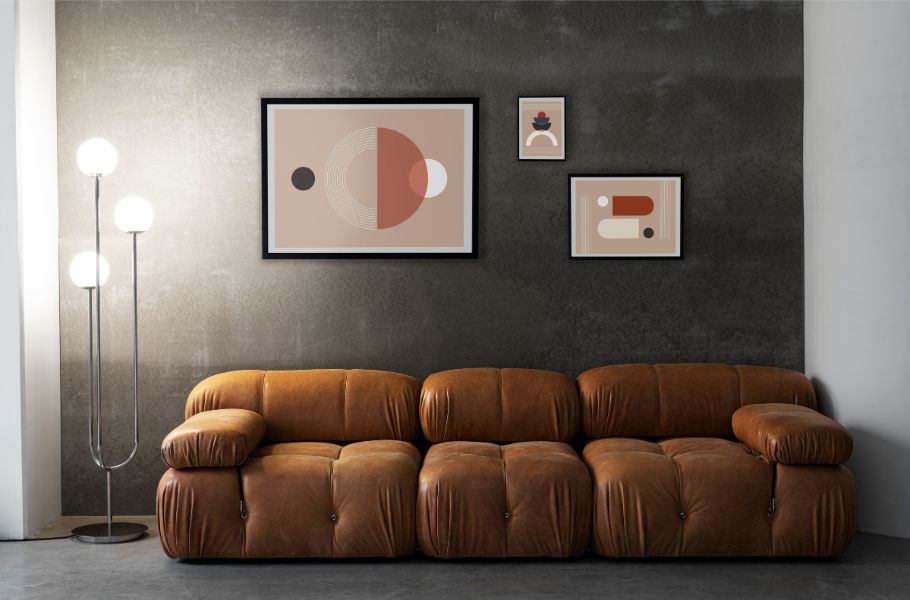
The black wall living room is often the heart of the home, where family and friends gather to relax, socialize, and create memories. In the world of interior design, color plays a crucial role in setting the tone and atmosphere of a space. One color that has gained popularity in recent years is black. While some might shy away from using black walls in their living rooms, fearing the space might feel too dark or oppressive, when done correctly, black can create a stunning, sophisticated, and cozy environment.
This guide will explore the various aspects of designing a living room with black walls, from the benefits to the best practices, styling tips, and common mistakes to avoid.
Benefits of a Black Wall Living Room
A black wall in the living room can feel like a bold choice but it comes with a wide range of unique benefits that can dramatically elevate the style and mood of the space. Let’s dive into the key advantages:
Creates a Cozy Atmosphere
Black wall living room can envelop a space, creating a sense of intimacy and warmth. In larger living rooms, black walls can make the room feel more inviting and less cavernous.
Enhances Architectural Features
Black serves as a dramatic backdrop that highlights architectural details like crown moldings, fireplaces, or unique windows.
Amplifies Other Colors and Textures
A black wall living room makes other colors pop and textures stand out. Metallics, woods, and vibrant textiles look more dynamic against a dark background.
Adds Elegance and Sophistication
Black exudes a sense of luxury and timeless style. It is a color often associated with sophistication and can elevate the overall aesthetic of a living room.
Increases Design Versatility
Contrary to popular belief, black is highly versatile. It pairs well with a wide range of design styles from industrial and minimalist to classic and eclectic.
Choosing the Right Shade of Black
Not all blacks are created equal. In fact, black paints come in a surprising range of shades, undertones, and finishes. Choosing the right type of black for your living room is crucial for setting the desired mood, matching your existing décor, and ensuring the room feels balanced rather than overwhelming. Here’s how to pick the perfect shade:
Matte vs. Glossy Finishes
Matte black provides a soft, velvety look and hides wall imperfections.
Glossy black reflects light and can add a sleek, modern touch but will highlight any flaws on the wall surface.
Warm vs. Cool
Warm blacks have brown or red undertones and create a cozier feel.
Cool blacks with blue or green undertones give a crisp, modern appearance.
Testing Before Committing
Always test multiple samples on your wall at different times of the day. Lighting dramatically affects how a shade of black appears.
Styling Tips for Black Wall Living Room
Styling a living room with black wall living room requires a careful balance of elements to ensure the space feels inviting, stylish, and full of personality. Done thoughtfully, a black wall can serve as the perfect dramatic canvas that enhances every other feature in your room. Here are in-depth styling tips to help you maximize the beauty and impact of your black wall living room:
Balance with Light Colors
Balance the darkness of black walls with lighter furniture, textiles, and decor. White, cream, and beige are excellent choices.
Incorporate Metallic Accents
Gold, silver, and brass elements shine brilliantly against black walls. Think of light fixtures, picture frames, or coffee tables.
Layer Textures
Layering different textures like velvet, linen, wool, and leather adds depth and prevents the room from feeling flat.
Use Strategic Lighting
Lighting is crucial in a black wall living room. Incorporate various light sources such as floor lamps, table lamps, and sconces to ensure the space feels bright and welcoming.
Introduce Natural Elements
Add plants, wooden furniture, or rattan accessories to bring in warmth and a natural vibe that softens the boldness of black walls.
Statement Art Pieces
Large artworks or framed prints look stunning against black walls. Opt for pieces with vibrant colors or striking designs.
Mix Design Styles
Don’t be afraid to mix styles. A black wall can be the perfect backdrop for a modern sofa, a vintage coffee table, and bohemian textiles all in one room.
Common Mistakes to Avoid
Designing a black wall living room can create a breathtaking and stylish space, but if not approached carefully, it can also lead to design pitfalls that make the room feel heavy, cramped, or overwhelming. Knowing the common mistakes ahead of time will help you create a balanced and beautiful room that captures all the drama of black walls without any of the downsides.
Painting All Walls Black Without a Plan
Going all-black without considering the size, lighting, and decor balance can make a room feel cramped and heavy.
Ignoring Natural Light
Rooms with little to no natural light need extra planning. Use mirrors to bounce light and choose a softer black to prevent the space from feeling too dark.
Overcrowding with Dark Furniture
Too much dark furniture can make the space feel oppressive. Balance with lighter tones or colorful accents.
Skimping on Lighting
Insufficient lighting will make a black wall living room gloomy rather than cozy. Layer your lighting strategically.
Forgetting About Ceiling and Trim Colors
White or lighter-colored ceilings and trims can frame the black walls beautifully and prevent the room from feeling boxed in.
Decorating Ideas for Black Wall Living Room
A black wall in a living room offers an incredible opportunity to create a space that feels dramatic, cozy, stylish, and even unexpected. The key to decorating around a black wall living room is to balance its depth with thoughtful color choices, textures, and design elements that enhance its beauty without overwhelming the space.
Here are some in-depth decorating ideas to help you make the most of your black wall living room:
Modern Minimalist Look
Pair black walls with sleek, simple furniture in neutral colors. Keep decor minimal to let the architecture shine.
Luxurious Glam Look
Incorporate velvet sofas, crystal chandeliers, and metallic accents for a glamorous vibe.
Industrial Chic Look
Combine black walls with raw wood, exposed bricks, and metal elements for an edgy, urban feel.
Cozy Rustic Look
Use warm woods, leather furniture, and plenty of textiles like wool throws and soft rugs to create a rustic yet elegant space.
Artistic Boho Look
Layer colorful textiles, eclectic furniture, and unique art pieces to create a vibrant, bohemian-style black wall living room.
Furniture and Decore Pairings
Choosing the right furniture and decor is essential to complement the dramatic backdrop of black walls. The right pairings can create balance, enhance the richness of the color, and bring out the best in your overall living room design.
Here’s an in-depth guide on how to match furniture and decor beautifully with black walls:
Sofas and Seating
Opt for lighter or richly colored seating options. Deep jewel tones like emerald, sapphire, and ruby look striking against black walls.
Rugs
Choose rugs that provide contrast, such as Persian rugs with vibrant patterns or light, neutral woven rugs.
Coffee Tables and Side Tables
Metallic, marble, or light wood coffee tables can complement black walls beautifully.
Curtains and Window Treatments
Go for sheer white curtains to maintain lightness, or dramatic velvet drapes for a luxurious effect.
Accessories
Incorporate mirrors, candles, layered throw pillows, and art to complete the look.
How to Make Small Living Rooms Work with Black Walls
Designing a small living room with black walls can seem intimidating at first. Many people worry that dark walls will make the space feel even smaller or claustrophobic. However, when done thoughtfully, black walls can actually enhance the intimacy, depth, and sophistication of a small living room.
Here’s a detailed guide on how to make it work beautifully:
- Use only one accent wall in black if the space is very small.
- Employ mirrors to reflect light and create an illusion of space.
- Keep furniture low-profile to allow the walls to feel expansive.
- Layer with plenty of white and bright decor to maintain balance.
Conclusion
A black wall living room can be both dramatic and inviting when thoughtfully designed. It offers unparalleled sophistication and a rich backdrop that highlights your personality and style. Whether you want a modern, minimalist vibe or a cozy, eclectic retreat, black walls can be adapted to suit a wide variety of preferences. Proper lighting, balanced color schemes, and creative decor are key to making the space feel harmonious and welcoming.
By understanding the benefits, common pitfalls, and creative possibilities, you can confidently embrace the bold beauty of
FAQs
1.Is a black wall too dark for a living room?
Not necessarily. With the right balance of lighting, furniture, and decor, black walls can feel cozy and inviting rather than dark and oppressive.
2. What colors pair well with black walls?
Whites, creams, metallics, jewel tones, and natural wood tones all complement black beautifully.
3.How can I lighten up a room with black walls?
Use ample lighting, light-colored furniture, mirrors, and natural elements like wood and plants to balance the darkness.
4.Should I paint all the walls black?
In smaller or poorly lit rooms, it’s better to paint just one or two accent walls black to avoid overwhelming the space.
5.What style of decor works best with black walls?
Black walls are highly versatile and can work with modern, minimalist, industrial, rustic, glam, and boho styles depending on how you furnish and accessorize the space.

Feminine Bedroom Decor Muse
A feminine bedroom decor style exudes elegance, softness, and personal expression. Whether you’re drawn to romantic details, luxurious textures, or delicate color palettes, designing a feminine bedroom is about creating a space that feels nurturing, beautiful, and uniquely you. This comprehensive guide will walk you through the key elements of feminine bedroom decor, from foundational design choices to finishing flourishes that infuse personality and comfort into your space.
Understanding Feminine Style in Interior Design
feminine bedroom decor isn’t just about pink and florals. It encompasses a broad spectrum of design elements that evoke comfort, grace, and style. Hallmarks of a feminine bedroom include soft lines, plush materials, gentle lighting, and thoughtful details. Whether your personal taste leans toward shabby chic, modern glam, boho romance, or classic elegance, a feminine bedroom is always a reflection of personal taste and lifestyle.
The Color Palette: Setting the Mood
Color is one of the most powerful tools in shaping the emotional tone of a space. In a feminine bedroom decor, the palette not only defines the overall aesthetic but also influences how calm, cozy, or invigorating the room feels. Whether you prefer soft pastels or deeper, moodier hues, the right color choices can turn your bedroom into a truly serene and stylish sanctuary
Soft and Romantic Hues
Common feminine bedroom decor colors include blush pink, lavender, soft gray, ivory, and pastel tones. These hues create a serene and relaxing environment, ideal for a restful retreat.
Bold and Glamorous Accents
For a more dramatic touch, consider incorporating rich hues like deep plum, emerald green, navy blue, or gold accents. These can be used in throw pillows, artwork, or an accent wall to add depth and sophistication.
Furniture Choices
The furniture in a feminine bedroom decor plays a vital role in defining both its functionality and its aesthetic. It’s not just about picking beautiful pieces it’s about creating a space that feels curated, graceful, and inviting. From the bed to the vanity, every item should contribute to the sense of softness, luxury, and personal style.
Elegant Bed Frames
The bed is the centerpiece of any bedroom. Opt for tufted headboards, wrought iron frames, or vintage style beds to enhance the feminine aesthetic. Upholstered headboards in velvet or linen add softness and style.
Stylish Storage Solutions
Choose dressers, nightstands, and wardrobes with ornate details, curved lines, or mirrored surfaces. Painted wood finishes in white, blush, or soft gray are especially popular in feminine decor.
Textures and Fabrics
In a feminine bedroom decor, texture is just as important as color and layout. While the color palette sets the tone, the right mix of fabrics and materials creates depth, comfort, and elegance. From silky bed linens to tufted upholstery and fluffy rugs, every textile you introduce helps to create a space that feels warm, welcoming, and luxurious.
Layered Bedding
Creating a cozy and inviting bed starts with layering. Use high thread count sheets, a fluffy duvet, quilted coverlets, and an array of decorative pillows. Mixing textures such as silk, velvet, and cotton adds visual interest.
Window Treatments
Soft drapes in flowing fabrics like chiffon, voile, or silk contribute to the romantic ambiance. Light colored curtains also help maintain a bright and airy feel in the room.
Patterns and Prints
Patterns and prints are essential in creating a feminine bedroom decor that feels both expressive and layered. They add visual interest, highlight your personal style, and keep the space from feeling flat or sterile. Whether you love delicate florals, elegant damasks, or whimsical polka dots, thoughtful use of patterns can transform your room into a beautiful reflection of your personality
Floral Motifs
Floral patterns are a classic element of feminine decor. Incorporate them through bedding, wallpaper, curtains, or area rugs. Choose soft, watercolorstyle prints for a delicate touch or bold florals for a statement look.
Subtle Geometrics and Damasks
In addition to florals, geometric patterns or damask designs can bring sophistication and structure to the decor while still maintaining a feminine feel.
Lighting: Soft and Stylish
Lighting is one of the most transformative elements in a feminine bedroom. It does more than simply illuminate the space it shapes mood, highlights design features, and adds a layer of soft elegance that defines the overall ambiance. A welllit bedroom should feel warm, flattering, and a little magical, offering both practical functionality and romantic charm
Ambient Lighting
Opt for chandeliers, pendant lights, or ceiling fixtures with crystal accents or delicate designs. These pieces can serve as both functional lighting and elegant decor.
Accent and Task Lighting
Table lamps with decorative bases, wall sconces, and fairy lights offer additional layers of lighting. Choose soft, warm bulbs to create a welcoming glow.
Wall Treatments and Art
In a feminine bedroom decor, walls are more than just boundaries they’re blank canvases waiting to be transformed into expressions of style, softness, and serenity. From wallpapers and paint choices to thoughtfully curated art pieces, the right wall treatments can elevate the room’s aesthetic and make the space feel truly personal.
Wallpaper and Paint
Consider wallpaper with floral, toile, or damask patterns. Alternatively, painted accent walls in blush or lavender can add depth and color without overwhelming the space.
Artwork and Wall Decor
Select artwork that reflects your personality. Romantic paintings, fashion prints, inspirational quotes, or framed botanical illustrations are all great choices. Mirrors with ornate or gold frames can add both light and elegance.
Decor and Accessories
Decor and accessories are what give a feminine bedroom decor its soul and personality. These final details bring together all the elements color, furniture, texture, and lighting and elevate the space from simply styled to deeply livedin and emotionally resonant. The key to curating the perfect accessories lies in balance, softness, and meaningful choices that reflect your taste and spirit
Personal Touches
Incorporate personal items like photo frames, keepsake boxes, or heirloom pieces to make the room feel truly your own. These small details enhance the emotional warmth of the space.
Jewelry Displays and Vanity Areas
A vanity table with a mirror and stool can double as a functional and decorative piece. Display perfumes, jewelry, and beauty products on trays or in glass containers for a touch of luxury.
Incorporating Nature
One of the most enchanting ways to elevate a feminine bedroom is by weaving natural elements into the design. Nature inspired decor not only enhances the aesthetic with organic beauty but also promotes a sense of calm, wellness, and connection to the world outside. Whether you’re surrounded by greenery or living in the heart of a city, bringing a touch of nature indoors can completely transform the mood of your space.
Indoor Plants and Fresh Flowers
Bring life into the bedroom with fresh flowers or low maintenance indoor plants like succulents, peace lilies, or ferns. Use ceramic pots, vintage vases, or glass containers to maintain a feminine vibe.
Natural Materials
Wicker baskets, rattan accessories, and wooden furniture add warmth and balance the softness of feminine decor with natural texture.
Feminine Bedroom decor Themes
A feminine bedroom decor can take many forms soft and romantic, modern and minimalist, or vintage and ornate. Choosing a theme helps guide your color palette, furniture choices, and decorative accents, making the design process more cohesive and purposeful. Whether you prefer timeless elegance or a dreamy boho vibe, there’s a feminine bedroom theme to match every personality
Romantic Vintage
Combining antique furniture, lace details, and vintage artwork creates a charming, nostalgic atmosphere. Think distressed wood, brass accents, and floral prints.
Modern Glam
For a more contemporary approach, mix sleek furniture with metallics, mirrored surfaces, and bold colors. Add plush rugs, crystal lamps, and velvet cushions for luxury.
Bohemian Chic
A feminine boho bedroom includes macrame, colorful textiles, layered rugs, and whimsical accessories. Embrace a mix of global patterns, handmade items, and free spirited styling.
Budget Friendly Tips
Designing a stylish, serene, and feminine bedroom doesn’t have to mean spending a fortune. With a little creativity, patience, and smart shopping, you can transform your space into a dreamy sanctuaryon a budget. It’s all about knowing where to invest, how to DIY, and what small changes can make the biggest impact.
DIY Decor Projects
Repurpose furniture with a fresh coat of paint, create your own wall art, or sew decorative pillows to personalize the space without breaking the bank.
Thrifted Finds
Flea markets and thrift stores are treasure troves for unique feminine decor items like vintage mirrors, ornate frames, or charming trinkets.
Affordable Accents
Update your space with inexpensive accents like new pillowcases, string lights, or a cozy throw blanket. Small changes can have a big impact.
Seasonal Updates
Your bedroom should evolve with the seasons just like your wardrobe or mood. Making small, intentional changes throughout the year keeps your feminine bedroom feeling fresh, aligned with nature, and attuned to your emotional needs. Thankfully, seasonal updates don’t require a full redesign; they’re all about subtle switches in color, texture, scent, and style to embrace the beauty of every time of year.
Spring and Summer
Use light bedding, pastel colors, and fresh florals to brighten your space. Switch to sheer curtains and remove heavy textures.
Fall and Winter
Introduce cozy elements like faux fur throws, flannel sheets, and darker color palettes to create warmth and comfort.
Conclusion
A feminine bedroom is more than just a beautifully styled space it’s a sanctuary that reflects your personality, promotes relaxation, and offers a retreat from the outside world. Whether your taste leans romantic, glam, or eclectic, incorporating elements like soft colors, plush textures, and elegant furniture will help you create a space that feels both luxurious and inviting. With thoughtful choices and a personal touch, your bedroom can become the feminine oasis you’ve always dreamed of.
Modern Homes and Living Rooms with Durable and Stylish Washable Rugs
Imagine a living room that perfectly balances style and practicality. A space where your beautiful decor doesn’t have to battle everyday messes and spills. Enter washable rugs—a game-changer in modern home design. These innovative pieces not only elevate the aesthetic of any room but also simplify life, making them an essential addition for families, pet owners, or anyone looking to keep their living space fresh. As our lifestyles evolve, so too do our choices in home decor. The rise of washable rugs is more than just a trend; it’s a reflection of how we value both beauty and functionality in our homes. With options available for every taste and preference, these rugs are here to redefine comfort while promoting sustainability in our increasingly eco-conscious world. Let’s explore how these chic yet durable accessories can transform your living area into a stylish sanctuary without sacrificing cleanliness or convenience.
How washable rugs contribute to a sustainable and eco-friendly lifestyle
Washable rugs play a vital role in promoting sustainability. Traditional rugs often require harsh chemicals for cleaning, but washable options can be easily laundered at home. This reduces the need for toxic products.
Choosing washable rugs also means selecting durable materials designed to last. Their longevity prevents frequent replacements, which contributes to less waste in landfills.
Moreover, many brands focus on eco-friendly manufacturing processes. By using recycled fibers and sustainable resources, they lessen their environmental impact.
When you invest in a washable rug, you’re making a choice that aligns with an eco-conscious lifestyle. It’s not just about aesthetics; it’s about caring for our planet while enjoying your beautiful living space.
The Rise of Washable Rugs in Modern Homes
The popularity of washable rugs has surged in recent years, transforming the way we think about home decor. Modern lifestyles demand practicality without sacrificing style.
Families with children and pets are now embracing these versatile pieces for their living spaces. Washable rugs offer a blend of resilience and aesthetic appeal that fits seamlessly into busy households.
With advancements in fabric technology, manufacturers are creating stunning designs that cater to diverse tastes. From bohemian patterns to minimalist styles, there’s something for everyone.
Moreover, eco-conscious consumers appreciate the ease of maintenance washable rugs provide. They can be easily cleaned at home, reducing waste associated with traditional rug care methods.
As more homeowners discover their benefits, it’s clear that washable rugs have become not just a trend but an essential element in contemporary interior design. Their rise reflects a shift towards both style and functionality in modern homes.
Advantages of Using Washable Rugs in Living Rooms
Washable rugs bring a blend of practicality and style to your living room. They are designed for easy maintenance, allowing you to toss them in the washing machine whenever they need a refresh. This feature is especially beneficial for families with pets or young children.
Durability is another key advantage. Washable rugs are made from materials that withstand wear and tear while still looking chic. You can enjoy your space without worrying about spills or stains ruining the aesthetic.
Additionally, these rugs come in various designs and colors, making it simple to match your decor. From minimalist patterns to bold prints, there’s a washable rug for every taste.
Comfort plays an essential role too; many options provide soft cushioning underfoot, enhancing the overall coziness of your living area. The combination of functionality and elegance makes washable rugs an excellent choice for modern homes.
Choosing the Right Material for Your Washable Rug
When selecting a washable rug, the material is crucial. Different fabrics offer unique benefits that cater to various lifestyles.
Cotton is a popular choice for its softness and breathability. It’s easy to clean and perfect for households with kids or pets. The colorful patterns in cotton rugs can brighten up any living space.
For those seeking durability, consider synthetic fibers like polyester or nylon. These materials resist staining and fading, making them ideal for high-traffic areas.
Wool adds an element of luxury while providing natural resistance to dirt and moisture. While it may require more care, wool rugs are long-lasting investments.
Bamboo and jute are eco-friendly options that bring an organic touch to your decor. They’re breathable but may not be as soft underfoot as other choices.
Understanding these materials will help you find the perfect washable rug tailored to your home’s needs.
Top Styles and Designs of Washable Rugs for Living Rooms
When elevating your living room’s aesthetic, the style of washable rugs plays a significant role. Geometric patterns are trendy right now. They add visual interest and can create a modern vibe without overwhelming the space.
For those who favor a more classic touch, floral designs may be appealing. These rugs bring warmth and softness, making any seating area feel inviting.
If minimalism is your jam, consider solid colors or subtle textures. A simple rug can act as an understated foundation for other decor elements while maintaining cleanliness with its washable feature.
Bohemian-inspired rugs are perfect for adding character to eclectic homes. Their rich colors and intricate patterns make them focal points that spark conversation among guests. Each design offers unique charm while ensuring practicality through easy maintenance.
How to Care for and Maintain Your Washable Rugs
Caring for your washable rugs is simple yet essential. Regular vacuuming keeps dirt and debris at bay. Aim for once a week to maintain their fresh appearance.
When spills happen, act quickly. Blot the area with a clean cloth instead of rubbing it, which can spread stains. Use mild soap or rug-specific cleaners to treat tough spots.
Most washable rugs are machine-friendly, but always check care instructions first. If they’re safe for washing, use cold water on a gentle cycle to prevent damage.
Dry them flat or hang them up when possible. Avoid direct sunlight to prevent fading over time.
Periodic rotation helps even out wear and tear while maintaining their vibrant look throughout your space. Enjoy the beauty and functionality of your rug by giving it some love!
Creative Ways to Incorporate Washable Rugs in Living Room Decor
Washable rugs offer endless possibilities in living room decor. One innovative idea is layering them. Place a bold, patterned rug over a more neutral one to create depth and visual interest.
Consider using washable rugs to define spaces. In an open-concept layout, a vibrant area rug can delineate the seating area from dining or workspaces, enhancing both style and function.
Another fun approach is mixing textures. Pair a plush shag rug with sleek furniture for contrast that draws the eye. This combination invites comfort while adding an element of surprise.
Don’t overlook wall art potential! Hang smaller pieces made from fabric scraps or swatches of your favorite washable rugs as statement art above your sofa for unique flair.
Try seasonal swaps by changing out different designs throughout the year. This keeps your space feeling fresh without the hassle of heavy cleaning routines.
Why Every Modern Home Needs a Durable and Stylish Washable Rug
A durable and stylish washable rug can transform any living space. It adds warmth and personality, serving as a focal point in your room design.
Modern homes often embrace an aesthetic that balances functionality with style. Washable rugs fit seamlessly into this vision. They offer both comfort underfoot and visual appeal, making them ideal for busy households.
With kids or pets around, messes are inevitable. A washable rug means you don’t have to stress about spills or stains ruining your décor. Simply toss it in the washing machine, and it’s good as new.
The variety of designs available allows for personal expression too. Whether you prefer bold patterns or subtle textures, there’s something to match every taste.
Investing in a washable rug elevates decor while promoting practicality—essential for today’s lifestyle choices that prioritize ease without sacrificing style.
Conclusion
Washable rugs are not just a practical choice; they embody the essence of modern living. Their durability and style cater to contemporary aesthetics while providing an eco-friendly solution for everyday messes. As lifestyles evolve, so do our homes, making washable rugs indispensable in maintaining both elegance and functionality.

How to Keep Your Rural Shed in Good Condition in Australia: The Ultimate Guide
Owning a rural shed in Australia is more than just having extra storage space; it’s about embracing a lifestyle that celebrates the great outdoors and practicality. Whether you’re an avid gardener, a DIY enthusiast, or simply need a safe place for your tools and equipment, your rural shed can be a cornerstone of your property. However, like any valuable asset, it requires proper care and maintenance to keep it in top shape.
Imagine stepping into your shed to find everything neatly organized and easily accessible. Picture the peace of mind that comes from knowing you have sturdy shelter for all your belongings against Australia’s unpredictable climate. This guide will walk you through how to maintain your rural shed effectively while maximizing its utility and longevity. From choosing the right materials to addressing common issues, we’ve got all the tips you need for preserving this essential part of country living!
The Benefits of Owning a Rural Shed
Owning a rural shed offers numerous advantages for those living in the countryside. First and foremost, it provides valuable storage space. Whether you need to store tools, equipment, or seasonal items, a dedicated area helps keep your property organized. Rural sheds can serve as multifunctional spaces. Many people convert their sheds into workshops, art studios, or even guest accommodations. This flexibility makes them an asset for various activities and hobbies.
A well-maintained shed enhances the overall appeal of your land. Potential buyers often see it as an added feature that boosts functionality.
Rural sheds also foster creativity and productivity. They provide a quiet retreat away from distractions at home, allowing you to focus on projects or simply unwind in nature’s embrace.
Having a rural shed promotes sustainability by enabling better management of resources like firewood or gardening supplies while reducing clutter around your main house.
Factors to Consider When Choosing a Rural Shed
Choosing the right rural shed involves several key factors. First, consider the size you need. Think about what you’ll store or use it for, whether that’s tools, equipment, or even a workshop.
Next is location. Ensure your site is accessible and provides enough space for future expansion if required. Proximity to power sources can also be essential if you’re planning to add utilities.
Material choice plays a crucial role as well. Steel sheds offer durability against pests and weather conditions but might require more initial investment compared to wooden options.
Maintaining Your Rural Shed: Tips and Tricks
Regular maintenance is key to prolonging the life of your rural shed. Start with a thorough inspection every few months. Look for signs of wear, rust, or pest infestations.
- Keep gutters and downspouts clear of debris. This ensures proper drainage and prevents water damage over time.
- Check the roof periodically for loose shingles or leaks. A small repair can save you from costly damage later on.
- Consider applying a weather-resistant sealant to wooden surfaces annually. This helps protect against moisture and rot.
- Clean out any clutter inside your shed regularly. An organized space not only looks better but also makes it easier to find tools when needed.
- Don’t forget about the doors and windows; lubricate hinges to keep everything functioning smoothly. Regular attention can transform your rural shed into a reliable sanctuary for years ahead.
Weatherproofing Your Rural Shed
Weatherproofing your rural shed is crucial to protecting your tools and equipment from the elements. Start by checking for gaps or cracks in walls, roofs, and doors. Sealing these areas will help prevent moisture from seeping in.
Investing in a quality roof is essential. Metal roofing can withstand harsh weather conditions while also providing excellent insulation against heat and cold. Consider adding gutter systems to channel rainwater away from the structure, reducing erosion around the base.
Insulating walls with foam boards or reflective materials can keep temperatures stable year-round. This helps protect sensitive items stored inside.
Don’t overlook windows and doors. Installing double-glazed glass or storm shutters offers extra protection against winds and water intrusion. With these steps, you’ll create a sturdy barrier that keeps your rural shed safe through any season.
Common Issues with Rural Sheds and How to Fix Them
Rural sheds are practical spaces, but they can face a few common issues. One prevalent problem is rust on metal surfaces due to moisture exposure. Regularly inspecting for signs of corrosion and applying protective coatings can help.
Another frequent concern is poor ventilation, leading to musty odors or mold growth. Installing vents or windows will improve air circulation and keep the shed fresh.
Pests also love rural sheds. Rodents and insects often take up residence if not managed properly. Sealing gaps, installing screens, and using traps can help maintain a pest-free environment.
Structural integrity is essential. Check for loose screws or damaged panels regularly to ensure everything stays secure. Addressing these minor issues promptly prevents them from becoming major headaches later on.
Safety Measures for Your Rural Shed
Safety should always be a priority when it comes to your rural shed. Start by ensuring that the structure is built with quality materials, which can withstand harsh weather conditions and potential intruders.
Install adequate lighting both inside and outside the shed. This not only helps you navigate safely at night but also deters unwanted visitors.
Keep emergency exits clear and accessible. In case of fire or other emergencies, having an unobstructed path makes evacuation easier.
Consider adding smoke detectors and a fire extinguisher for added protection against fires caused by electrical faults or flammable materials stored within.
Make sure tools and equipment are stored securely. Use lockable cabinets to prevent accidents, especially if children are nearby.
Regularly inspect your shed for any hazards like rusting metal or loose wiring to maintain a safe environment year-round.
Conclusion
Owning a rural shed offers endless possibilities for storage, workshops, or even creative spaces. With the right care and maintenance, it can serve you well for years to come. Prioritizing regular inspections ensures that minor issues do not escalate into major problems. A proactive approach keeps your shed in peak condition.
FAQs
What is a rural shed?
A rural shed is typically a structure found in non-urban areas, used for various purposes such as storage, workshops, or even animal shelters. They are often designed to withstand the unique challenges of rural environments.
How can I improve my rural shed’s security?
Improving security can include installing good locks on doors and windows, using motion sensor lights around the perimeter, and considering a surveillance camera system. It’s also wise to keep valuable items out of sight.
What materials are best for building a rural shed?
The best materials depend on your specific needs and budget. Colorbond steel is popular due to its durability and weather resistance. Timber sheds offer an aesthetic appeal but may require more maintenance over time.
How often should I inspect my rural shed for maintenance?
Regular inspections are essential—ideally every six months. Look out for signs of wear and tear, water damage, or pest infestations that could compromise the integrity of the structure.
Can I use my rural shed as living space?
Yes! Many people convert their sheds into cabins or guest houses. However, you must check local regulations regarding permits before undertaking any significant renovations.
How do I prevent pests from invading my rural shed?
To ward off pests like rodents or insects, ensure all openings are sealed tightly with screens or caulking. Keep food stored properly in airtight containers and maintain cleanliness within the space.
Are there any eco-friendly options available for constructing a new rural shed?
Absolutely! Consider using sustainable timber sources, recycled materials or opting for designs that maximize natural light and ventilation to reduce energy consumption. Eco-friendly paints and finishes can also contribute positively to your environmental footprint.