

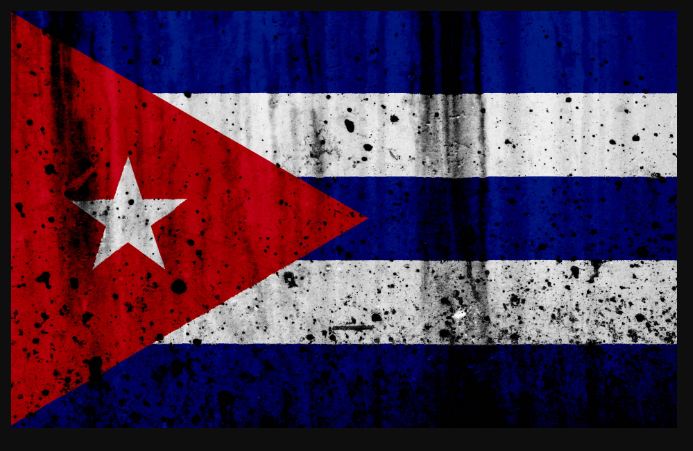
National flags are more than just pieces of fabric they’re symbols that carry stories, emotions, and identity. The flag of Cuba is no different. Recognized instantly by its bold colors and striking elements, this flag tells a powerful tale of struggle, pride, and unity. It represents the heart of a nation that has stood strong through political, cultural, and historical shifts.
Historical Background of the Cuban Flag
The Cuban flag was first conceived in the mid-19th century during Cuba’s struggle for independence. Created by Narciso López, a Venezuelan-born general supportive of Cuban liberation, the flag was designed in 1849 and first flown in 1850. López was inspired by ideas of freedom, democracy, and the beauty of a future independent Cuba. Some also believe the design reflects influences from the United States, symbolizing aspirations of liberty. Although designed earlier, the flag officially became the national flag of Cuba on May 20, 1902, marking the establishment of the Republic of Cuba.
Design Elements of the Cuban Flag
The Cuban flag features bold stripes, a striking red triangle, and a single white star each chosen with purpose and symbolism. Its design blends simplicity with powerful meaning, representing the island’s identity, history, and aspirations.
Points:
-
Five alternating blue and white stripes
-
Red equilateral triangle on the left
-
Single white star symbolizing unity and freedom
Meaning Behind the Cuban Flag
Evolution of the Flag Over Time
Even though Cuba has undergone political transformations from colonial rule to republic, then revolution the flag has remained largely unchanged. Its meaning has evolved, but its design remains sacred. The flag witnessed major events like the Cuban War of Independence, the Cuban Revolution, and modern reforms. Its presence has always been a constant symbol of resilience.
The Cuban Flag in Modern Times
Today, the flag continues to be a strong expression of national pride. Cubans around the world celebrate their heritage through this symbol. From official ceremonies to classrooms, the Cuban flag is everywhere. It’s also displayed prominently on national holidays such as Día de la Independencia. The bold design has made the Cuban flag recognizable internationally. It appears in fashion, music, art, and even global activism.
Comparing the Cuban Flag with Other Flags
The Cuban flag often draws attention for its resemblance to the Puerto Rican flag, yet each has its own story and symbolism. While both feature stripes and a triangle with a star, Cuba’s red triangle and blue stripes represent its struggle for independence, whereas Puerto Rico’s design carries a different cultural and political meaning. Despite visual similarities, the two flags reflect unique historical journeys and national identities.
Interesting Facts About the Cuban Flag
How the Flag Represents Cuban Identity
The Cuban flag reflects the spirit, pride, and resilience of its people. Its bold colors and meaningful symbols capture the nation’s long struggle for freedom and unity. For many Cubans, the flag evokes a deep emotional connection, reminding them of their heritage and shared history. It stands as a powerful emblem of hope, courage, and the unbreakable bond that ties Cuban communities together, both on the island and around the world.
Conclusion
The flag of Cuba is far more than a national emblem it’s a powerful reflection of the country’s history, struggles, and dreams. Each color, stripe, and shape carries a story of courage and hope. Whether seen flying proudly over Havana or displayed by Cubans worldwide, it remains a symbol deeply rooted in identity and pride.
FAQs About Flag of Cuba
1. Who designed the Cuban flag?
Narciso López designed the flag in 1849 during Cuba’s independence movement.
2. What do the colors of the Cuban flag represent?
Blue represents the original provinces, white symbolizes purity, and red stands for the courage and bloodshed for freedom.
3. When was the flag officially adopted?
It was officially adopted on May 20, 1902.
4. Why does the flag have a single white star?
The lone star symbolizes independence and unity.
5. Is the Cuban flag similar to Puerto Rico’s flag?
Yes, they look similar but differ in colors and historical meanings.