

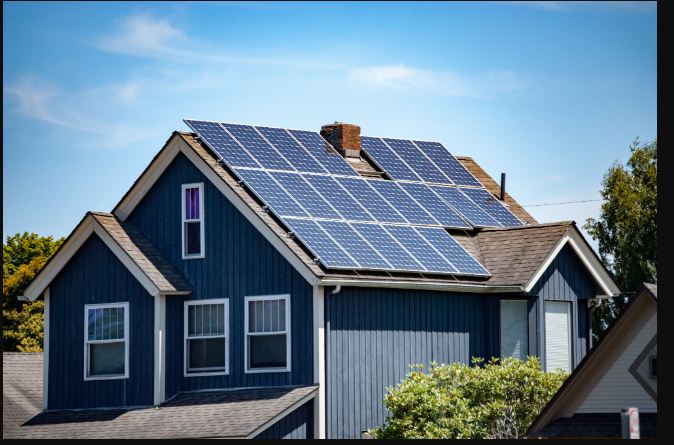
Thinking about going solar but have a tar and gravel roof? You’re not alone. Many property owners with flat or low-slope roofs are discovering the unique benefits of pairing traditional tar and gravel systems with modern solar technology. This combination not only enhances your home’s efficiency but also contributes to a greener future.
What is a Tar and Gravel Roof?
A Tar and Gravel Roof with Solar Panels, often used on flat or low-pitch structures, consists of multiple layers of bitumen (tar) and reinforcing fabrics, topped with a layer of gravel or stone. The gravel protects the roof from UV rays and physical damage, extending its life. Typically, these roofs use alternating layers of asphalt and fiberglass or felt sheets, sealed together to create a waterproof barrier. The final layer of gravel helps anchor everything in place while providing durability and insulation.
-
Durability: Lasts 20–30 years with proper care.
-
UV Protection: The gravel layer reflects sunlight.
-
Cost-Effective: Affordable compared to other flat-roof systems.
-
Sound Insulation: Reduces outside noise effectively.
Regular inspections are key. Cleaning debris, reapplying sealant when needed, and checking for blisters or cracks can easily extend the roof’s life by several years.
Basics of Solar Panel Systems
Solar panels capture sunlight and convert it into electricity using photovoltaic (PV) cells. This clean energy can power your home, reduce utility bills, or even feed excess power back into the grid. Flat roofs like tar and gravel ones work best with tilted rack-mounted panels or ballasted systems these don’t require roof penetration and minimize structural stress.
-
Significant reduction in energy bills
-
Low maintenance and long lifespan
-
Positive environmental impact
-
Government incentives and tax credits
Compatibility Between Tar and Gravel Roofs and Solar Panels
Absolutely! With the right mounting system, solar panels can be securely installed without damaging your roof’s surface. Ballasted racking systems are especially ideal for such setups. Most installers use non-penetrating mounts that rest on top of the gravel, ensuring the waterproof integrity remains intact. Adjustments are made for slope and orientation to maximize sunlight capture. Before installation, your roof’s structure must be assessed to ensure it can handle the combined weight of panels and racks. Typically, tar and gravel roofs are strong enough for standard solar arrays.
Benefits of Combining Tar and Gravel Roofs with Solar Panels
Solar energy drastically cuts electricity costs. Many homeowners see a return on investment within 5–7 years. Solar panels act as a shield, protecting the tar and gravel surface from direct sunlight and temperature fluctuations, reducing wear and tear. This pairing promotes sustainability by reducing both your energy consumption and reliance on fossil fuels. Homes with solar systems typically sell faster and for higher prices due to energy efficiency benefits.
Installation Process
Maintenance and Care
Keep panels clean from dust, leaves, and debris to maintain efficiency. A gentle rinse every few months usually suffices. Inspect the tar and gravel layer for any signs of cracks or exposed tar. Prompt repairs prevent moisture damage. Avoid walking directly on panels, ensure proper drainage, and check wiring regularly for wear.
Cost and ROI
Investing in solar panels on a tar and gravel roof may seem costly upfront, with average installation prices ranging from $15,000 to $25,000 depending on system size and roof condition. However, the long-term financial benefits far outweigh the initial expense. Homeowners typically experience a significant drop in electricity bills sometimes up to 70% and many recover their investment within 5 to 7 years. Additionally, government tax credits and renewable energy incentives can further reduce costs, making this combination both financially and environmentally rewarding.
Environmental Impact
Potential Challenges
Best Practices for Longevity
To ensure long-term performance, schedule professional inspections at least twice a year to catch early signs of wear or damage on both the roof and solar panels. Use only high-quality materials and mounting systems designed for tar and gravel roofs to maintain structural integrity. Keep the panels clean and monitor energy production regularly any sudden drop in output can indicate maintenance needs. With proper care and attention, your combined system can deliver reliable performance and savings for decades.
Real-Life Case Studies
Several homeowners and commercial property owners have successfully installed solar panels on tar and gravel roofs with outstanding results. For instance, office buildings in urban areas have reported a 20–30% reduction in annual energy costs after installation. In residential settings, the panels not only improved energy efficiency but also extended the roof’s lifespan by shielding it from direct sunlight. These success stories highlight how well traditional roofing systems can integrate with modern solar technology for long-term savings and sustainability.
Comparing Other Roof Types
When it comes to solar panel installation, tar and gravel roofs offer a unique balance of durability and affordability compared to other roof types.
-
Metal Roofs: Lightweight and long-lasting but often more expensive.
-
Single-Ply Membrane Roofs: Easy to install solar panels on, but may require extra care for puncture prevention.
-
Tar and Gravel Roofs: Cost-effective, strong, and ideal for flat surfaces with proper installation.
Future of Solar Roofing
Conclusion
Combining a tar and gravel roof with solar panels offers a smart, sustainable way to save money and protect your property. This pairing not only enhances energy efficiency but also supports a cleaner environment an investment that pays back in both financial and ecological terms.
FAQs About Tar and Gravel Roof with Solar Panels
1. Can I install solar panels on an old tar and gravel roof?
Yes, but ensure it’s inspected and possibly reinforced before installation.
2. How long does this type of setup last?
Solar panels last around 25–30 years, often outliving the roof itself.
3. Does the gravel interfere with installation?
Installers typically clear gravel in panel areas or use ballast mounts for stability.
4. Will my roof warranty be affected?
Most warranties remain valid if installation follows manufacturer guidelines.
5. Is maintenance difficult?
Not at all regular inspections and occasional cleaning are usually enough.