

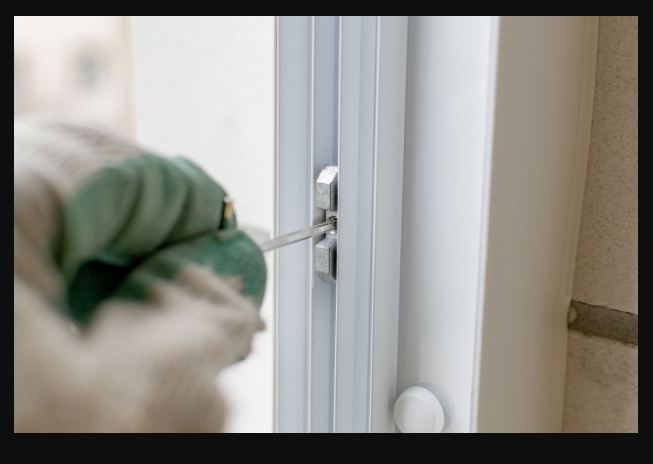
Choosing the right hinges for your uPVC door might not be the first thing on your mind, but it’s one of the most important factors in ensuring smooth operation and long-lasting durability. Hinges may seem small, but they play a huge role in security, comfort, and the overall lifespan of your door.
What Are uPVC Door Hinges?
UPVC door hinges are specially designed components that allow uPVC doors to open and close smoothly. They come in different types, shapes, and functions to support the door’s weight and provide stability. Think of hinges as the backbone of your door. Without the right ones, your door may squeak, sag, or even become difficult to lock. High-quality hinges make everyday use effortless and help extend the life of the entire door system.
Benefits of High-Quality uPVC Hinges
Common Types of uPVC Door Hinges
UPVC doors come with several hinge styles, each offering different levels of support, flexibility, and security. Understanding these hinge types helps you choose the best option for smooth movement and long-term durability.
Points:
-
Butt Hinges: Ideal for lightweight doors and provide simple, reliable movement.
-
Flag Hinges: Highly adjustable, making them perfect for heavier doors or alignment issues.
-
T-Hinges: Decorative and strong, commonly used for stable or garden-style doors.
-
Rebate Hinges: Designed for rebated door frames, offering a tight and seamless fit.
-
Composite Hinges: Heavy-duty options that also work well with reinforced uPVC doors.
How to Choose the Right Hinge for Your uPVC Door
Selecting the ideal hinge goes beyond simply picking one off the shelf. Here’s what truly matters. Heavier doors require heavy-duty hinges like flag or composite hinges, while lighter doors can manage with butt hinges. If security is a top concern, choose reinforced hinges that resist forced entry. Flag hinges are known for their excellent adjustability, making them perfect for correcting door drop or misalignment. Hardware exposed to outdoor weather needs corrosion-resistant materials to prevent rust and long-term wear.
Signs Your uPVC Door Hinges Need Replacing
If your uPVC door has started making unusual squeaking, grinding, or creaking noises, it may be a sign that the hinges are wearing out. You might also notice the door becoming harder to open or close, often feeling stiff or misaligned. Another common indicator is the door dropping slightly, causing it to drag on the floor or catch on the frame. These issues usually point to worn, damaged, or loose hinges that need attention or replacement to restore smooth operation.
Step-by-Step Guide to Maintaining uPVC Door Hinges
Maintaining uPVC door hinges is simple and helps keep your door operating smoothly for years. Start by cleaning the hinges with a soft cloth to remove dust and grime that may affect their movement. Once clean, apply a silicone-based lubricant to the hinge joints to reduce friction and prevent squeaking. Finally, check all screws and tighten any that have loosened over time, ensuring the door stays properly aligned and secure. Regular maintenance like this can significantly extend the life of your hinges.
Professional vs. DIY Hinge Replacement
Deciding between professional and DIY hinge replacement depends largely on your comfort level and the complexity of the job. Simple tasks like tightening screws or swapping a standard hinge can usually be handled at home with basic tools. However, heavier doors, precise adjustments, or complex hinge systems often require expert knowledge to ensure proper alignment and long-term performance. Choosing a professional can save time, prevent damage, and guarantee that your uPVC door operates smoothly and
Conclusion
Understanding the different types of uPVC door hinges helps you make smarter choices for your home. Whether you’re replacing old hinges, upgrading security, or simply learning more about your door system, the right hinge makes all the difference. With proper care and routine checks, your hinges can offer long-lasting performance and smooth operation for years to come.
FAQs About uPVC Door Hinges
1. How often should I maintain my uPVC door hinges?
At least twice a year cleaning and lubricating will keep them working smoothly.
2. Can I replace uPVC door hinges myself?
Yes, if the job is simple. But heavy or misaligned doors are best handled by professionals.
3. Which hinge is best for heavy uPVC doors?
Flag hinges or composite hinges are ideal due to their strong and adjustable design.
4. Why is my uPVC door dropping?
It’s likely due to worn or loose hinges. Adjusting or replacing them usually fixes the issue.
5. Are all uPVC door hinges adjustable?
Not all, but many modern hinges especially flag hinges offer multiple adjustment features.